NEW Case Study on Fluorescent Hypoxia Detection Based on HIF-1alpha ODD Domain

Functional imaging of tumor cells provides critical information about the size and location of the tumor, as well as the micro-environment. Many tumors grow faster than blood vessels can form, leading to a lack of oxygen. HIF-1α then regulates the creation of new vascular networks. Hence HIF-1α can be used to identify tumor aggressiveness, proliferation, and likelihood to metastasize. Researchers from Spain have reported a fluorescent hypoxia biosensor based on the oxygen-dependent degradation domain of HIF-1α. This probe is stabilized under hypoxia, properly degrades under normoxia, and retains the oxygen sensing capability of HIF-1α. The developed hypoxia sensor contributes to a deeper view and understanding of the tumor micro-environment that modern imaging techniques cannot provide.

Due to the highly sensitive nature of fluorescence spectroscopy, the spectra were recorded with a fluorometer coupled to Wavelength Electronics’ LFI-3751 temperature controller. The high performance and high precision LFI 3751 temperature controller ensured stable wavelength and power of the emitted light.

The complete case study is available as CS-TC05.

NEW Case Study on Ammonia Gas Detection With Laser Absorption Spectroscopy for Livestock

Gas emissions from large-scale livestock facilities increase directly with operation growth due to animals’ breath, waste fermentation, and the physical decomposition of the waste.

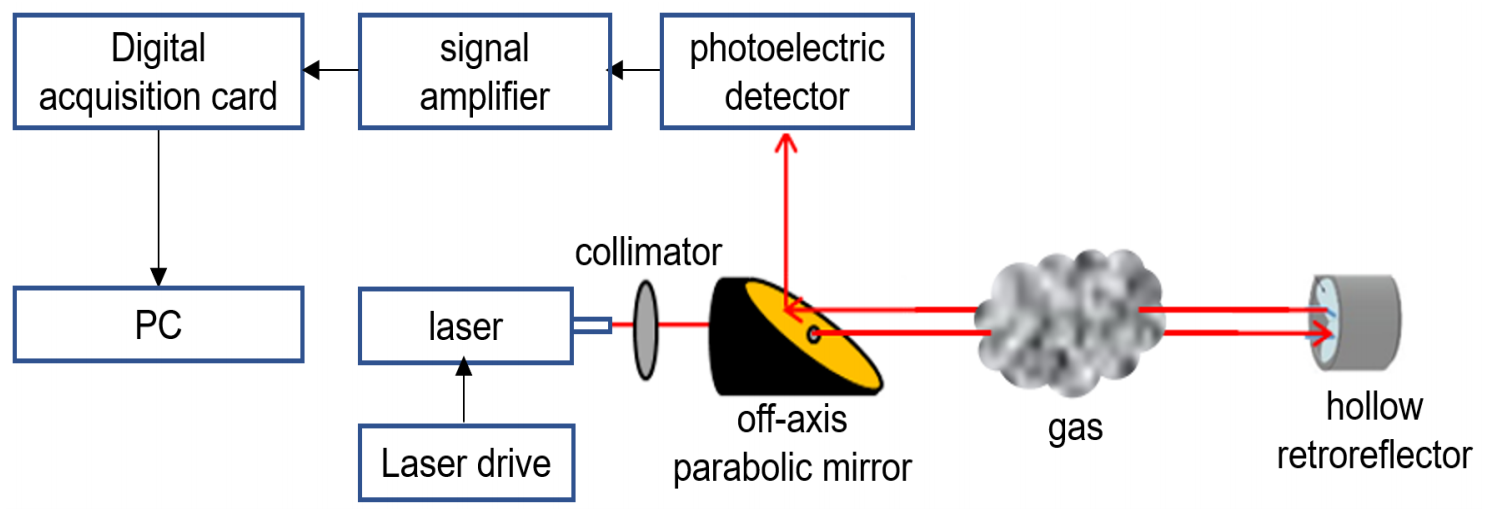
Researchers from China have developed a laser absorption spectrometer for high precision ammonia gas detection in livestock and poultry housing. Two different techniques are discussed: Open path laser absorption spectroscopy (OPLAS) and tunable diode laser absorption spectroscopy (TDLAS). Both provide support for precision air quality detection and control for this application. TDLAS achieves ammonia detection concentrations of lower than 5 ppm using harmonic absorption signals in the long path gas absorption well with total path length traveled for the light around 4.3 m. Laser absorption spectroscopy has similar results to other gas detection methods, while providing rapid and precise gas detection in portable systems.

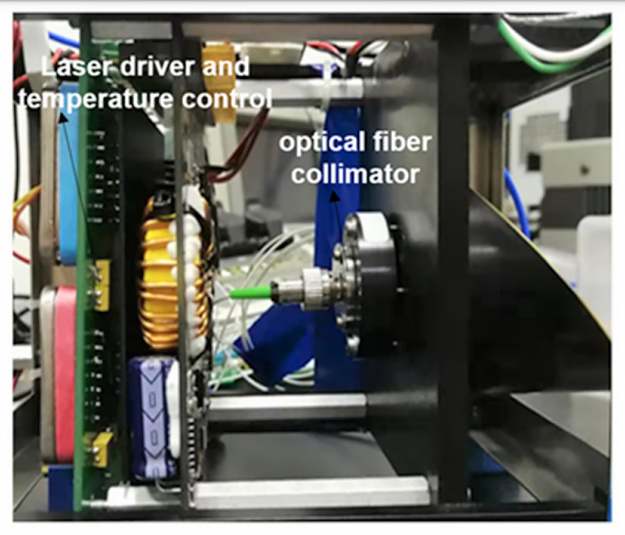
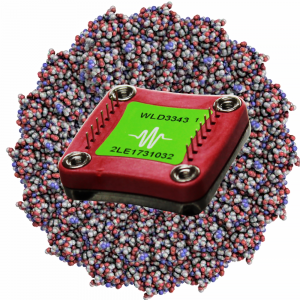
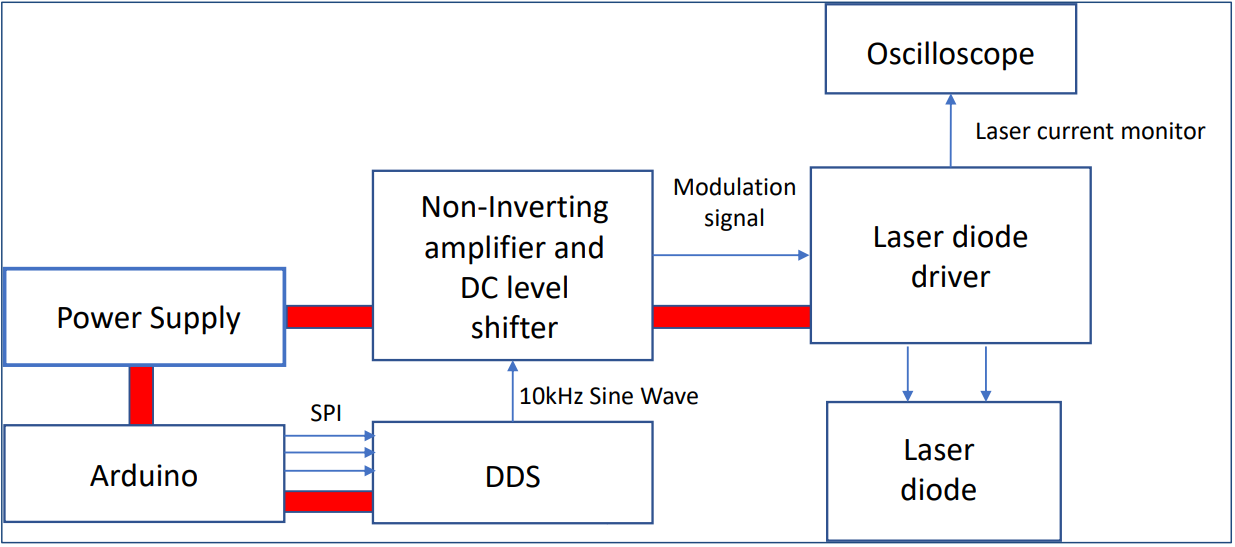
Laser stability is critical for sensing low concentrations of harmful gases in the air. Wavelength’s low noise laser diode driver, the WLD3343, can precisely deliver 500 mA of current to the laser diode without any heat dissipation accessories required and has the convenient option for voltage-controlled setpoint to further protect the laser. Because each study used some form of modulation, the initial sinusoidal or sawtooth signal was sent to the laser driver to modulate the output current to the laser.

For stable output power and accurate wavelength scanning with repeatable results, researchers used Wavelength Electronics’ WTC3243 temperature controller to control the laser temperature with stability better than 0.0009ºC. The benefits of the temperature controller can also help narrow linewidth and can ensure stable wavelength.

Accurate and sensitive gas emission measurements can improve the health and safety of livestock and workers. The complete case study is available as CS-LDTC09.

NEW Case Study on Biological Detection Using rTMV and M13 Virus Lasers

Detecting biomolecules, such as proteins or cells, with precision and high sensitivity is labor intensive with traditional assay devices. Researchers from the United Kingdom have developed a virus laser for rapid biomolecular detection with the precision of commercial systems. The commercial feasibility and low manufacturing cost of a genetically-engineered Tobacco Mosaic virus-like particle (rTMV) is investigated for virus laser applications, and the detection limit and amplified lasing signal are quantified for a virus laser utilizing the rod-like virus, M13.

A bio-laser is a relatively new technology that utilizes biological material as part of the laser cavity or part of the gain/lasing medium. A probe is used with a special tag to attach to the specific molecule for detection. Traditional probes have depended on antibodies and fluorescent dyes to make the binding detectable. Virus probes attached to the molecule will emit light as the virus is a part of the lasing system.

With the COVID-19 pandemic affecting businesses, social life, and especially the health and life of everyone, advancing technology for biological detection is critical to prevent further spread of the COVID-19 virus and improve healthcare quality. The pandemic has exposed the shortcomings of current analytical technology for biological detection.

With the virus material used as part of the lasing medium of the laser, detection of particular molecules in a sample is no longer difficult. Wavelength Electronics’ WLD3343 Laser Diode Driver with the WLD3393 Evaluation Board aided the laser system in providing constant current and stable wavelength for accurate and repeatable experiments. The manufacturability of rTMV was proven a success, and the M13-based detection probe showed orders of magnitude increase in signal from a 50% increase in probe concentration and is sensitive to 90 fmol mL-1 monoclonal antibody. Virus lasers show great potential for biological detection for today’s analytical needs.

The complete case study is available as CS-LD04.

October 2021

APPLICATION NOTE: Cabling Basics, CASE STUDY: Ammonia Gas Detection With Laser Absorption Spectroscopy for Livestock, CASE STUDY: Biological Detection Using Virus Lasers, INTERVIEW: An Overview of Raman with Kevin Repasky

Continue reading

NEW Application Note on Modulation Basics

NOW AVAILABLE AN-LD19:MODULATION BASICS

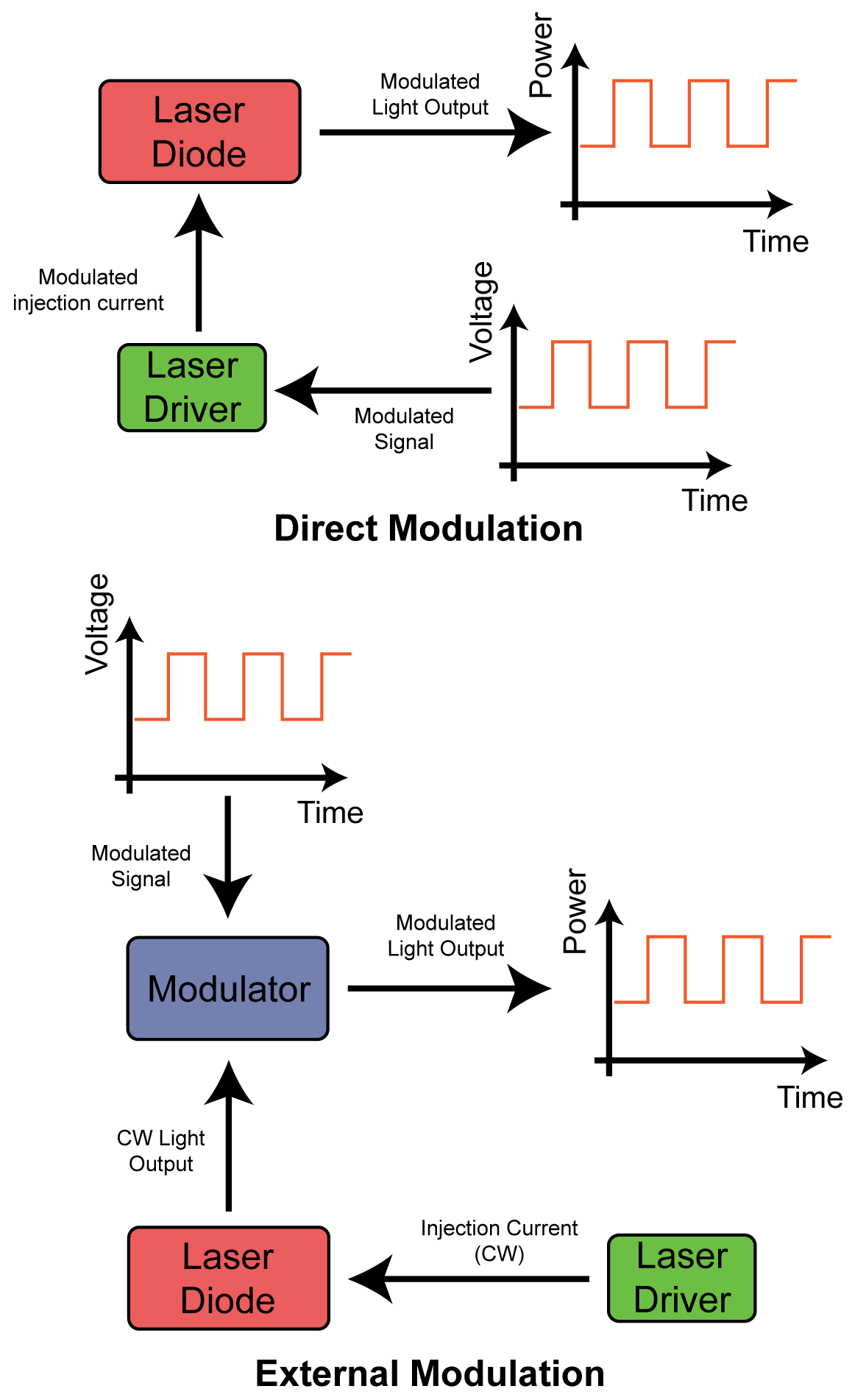
In laser modulation, the current or voltage varies with time to modulate the output signal from the laser.  This can be accomplished in two ways: by changing the signal input/driving current or by alternating the continuous wave output after the light is generated.  This Application Note discusses both methods and provides troubleshooting tips for each.

The complete Application Note is available as AN-LD19.

NEW Case Study on PCR Thermal Cycler with PI Temperature Controller

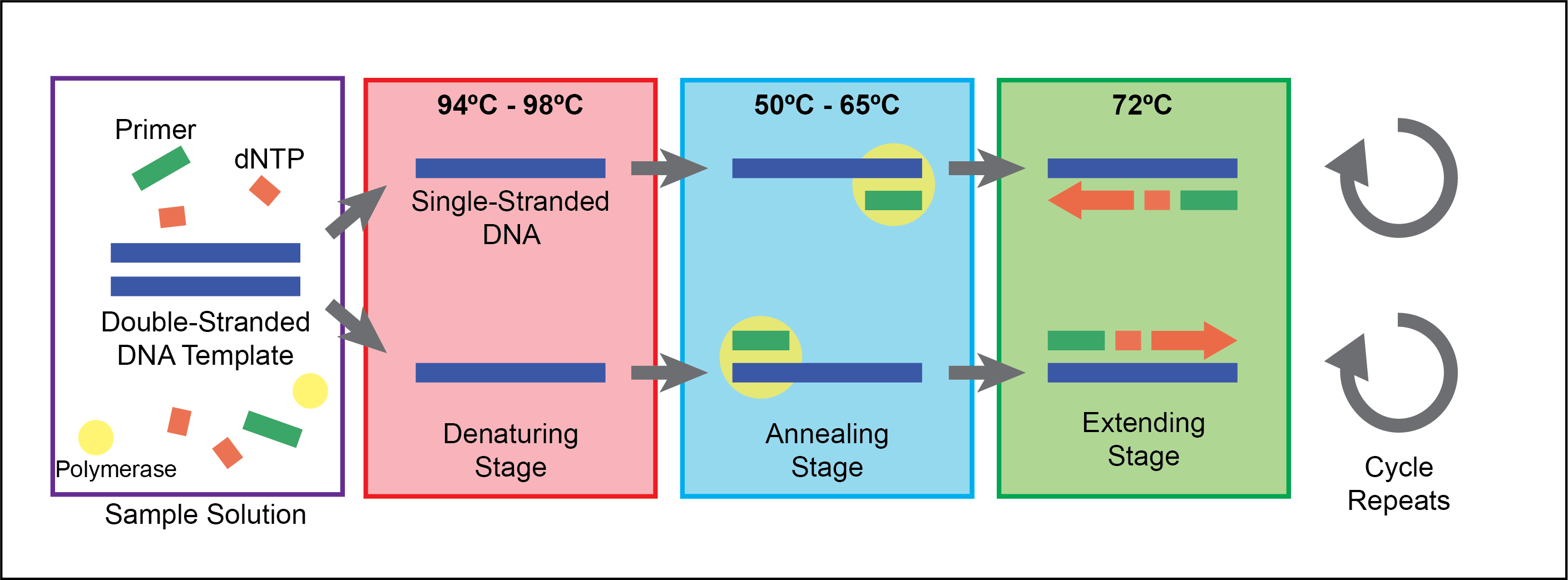
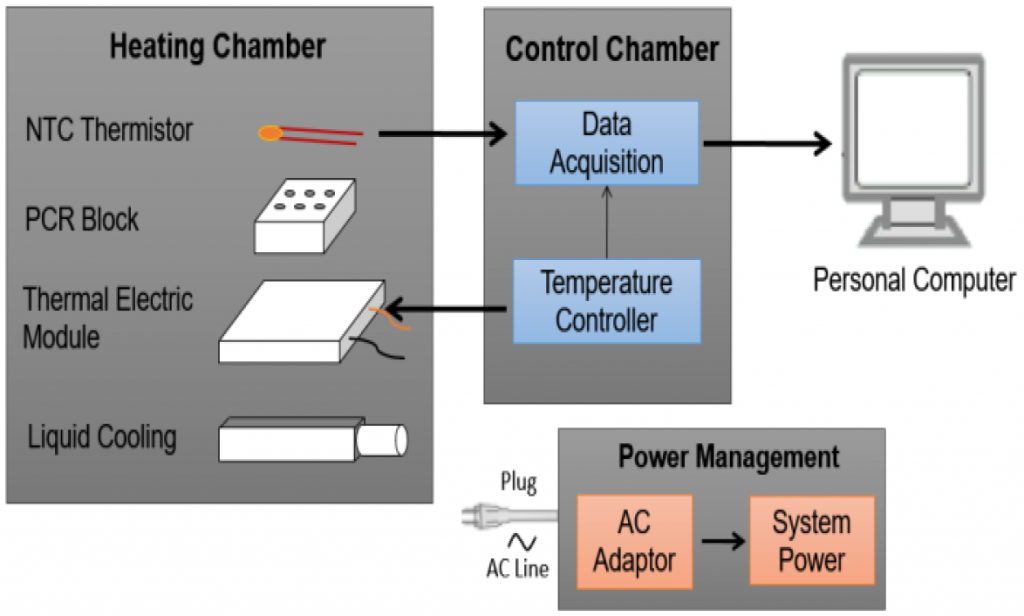
Researchers have developed a polymerase chain reaction (PCR) thermal cycler using a proportional-integral (PI) temperature controller. The precise temperature controller is needed for stable temperature control and rapid temperature changes in the PCR process. The portable and low-cost thermal cycler allows better opportunities for low-resource areas compared to the bulky and expensive commercial devices available. The developed system produces a temperature ramp rate of 5.5ºC/s at a proportional gain value of 15 A/V and an integral gain value of 1.8 A/V. 

Using gel electrophoresis to analyze the amplified DNA, the samples were validated at the expected molecular weight of 150 base pair. The PTC10K-CH temperature controller, as well as other commercial off-the-shelf products, reduce prototyping costs and maintain accurate and precise reactions.

The complete case study is available as CS-TC04.

July 2021

APPLICATION NOTE: Modulation Basics, CASE STUDY: Methane Isotopologues, CASE STUDY: PCR Thermal Cycler with PI Temp Control, Distributor Spotlight: Photonteck

Continue reading

NEW Case Study on Optical Interruption of Quantum Cascade Laser for Cavity Ring-Down Spectroscopy

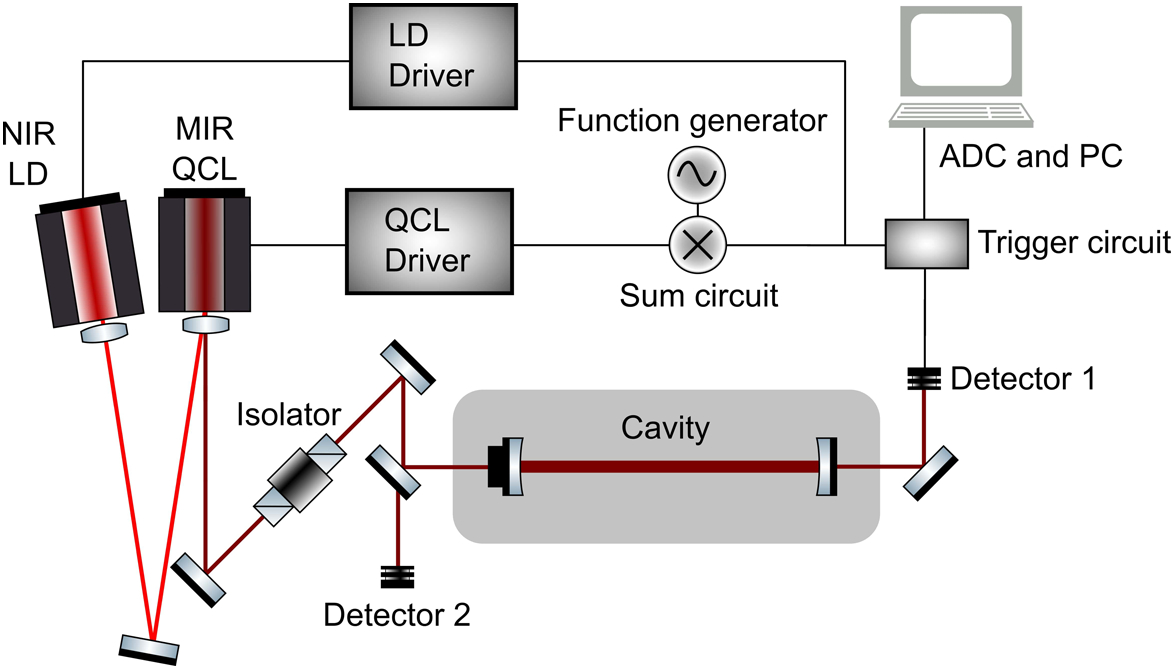
Researchers from VTT Technical Research Centre of Finland have developed optical interruption of a mid-infrared (MIR) quantum cascade laser (QCL) using a near-infrared (NIR) laser diode for cavity ring-down spectroscopy (CRDS). The QCL is modulated from the injection of the NIR laser diode, and this shifts the frequency of the signal in the cavity generating rapid interruption of the high-finesse cavity resonance.  Optical interruption reduces the high bandwidth requirements of the QCL driver as well as lowers cost and complexity of the system. The necessary precision control was provided by Wavelength Electronics’ LDD200 laser and QCL1000 drivers.

The complete case study is available as CS-LD03.

April 2021

VIDEO: Power Supply Basics, Cavity Ring-Down Spectroscopy Case Study, Optimizing Laser Diode Control Application Note, New Applications Page, Star Trek Releases Bozeman Extraterrestrial Tourism Video

Continue reading