



THz and QCL Technology
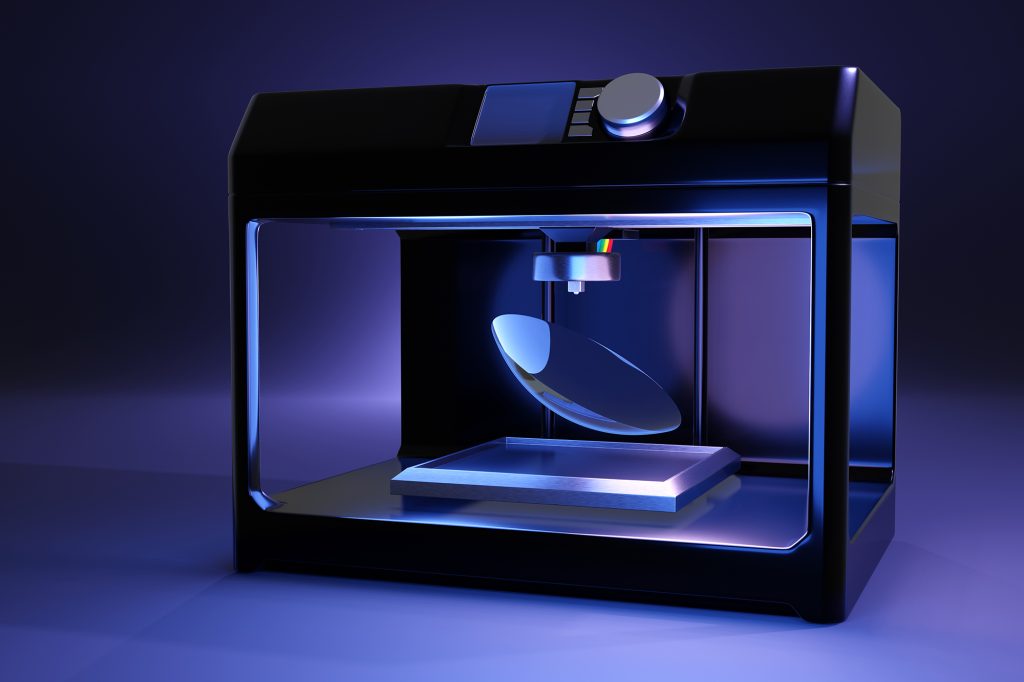
Recent advances in THz and QCL research require highly stable laser control to achieve repeatable results. Wavelength Electronics controllers provide researchers with the precision needed to minimize experimental variables, allowing them to focus on evaluating new materials, optical designs, and laser architectures rather than compensating for fluctuations in laser operation.
Analytical Instrumentation
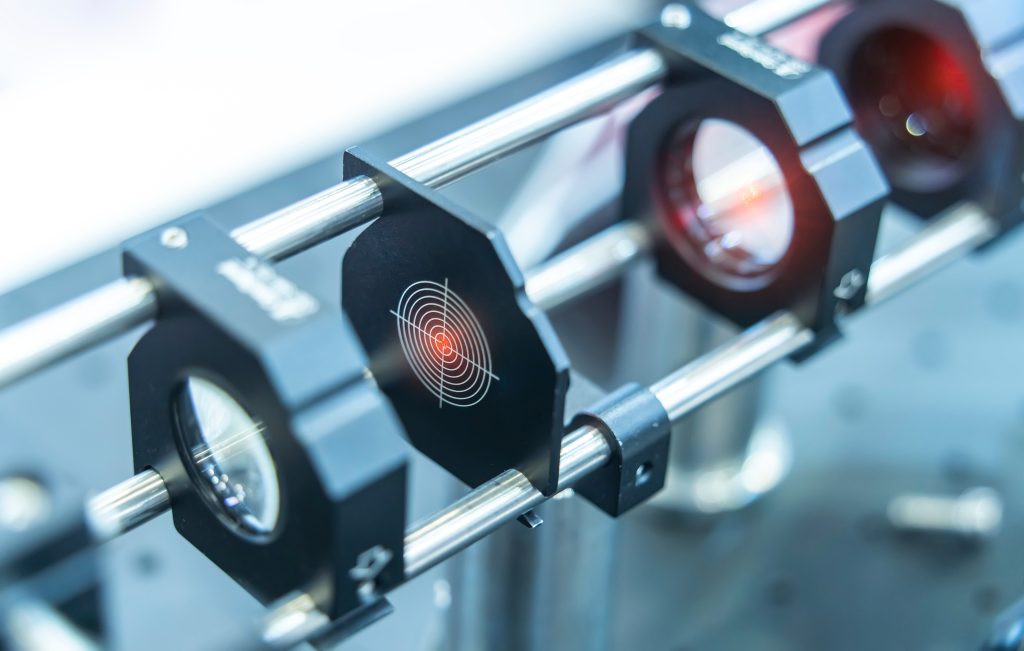
Two recently published research papers demonstrate how Wavelength Electronics temperature controllers help scientists achieve the thermal stability required for demanding optical experiments.
Environmental Monitoring
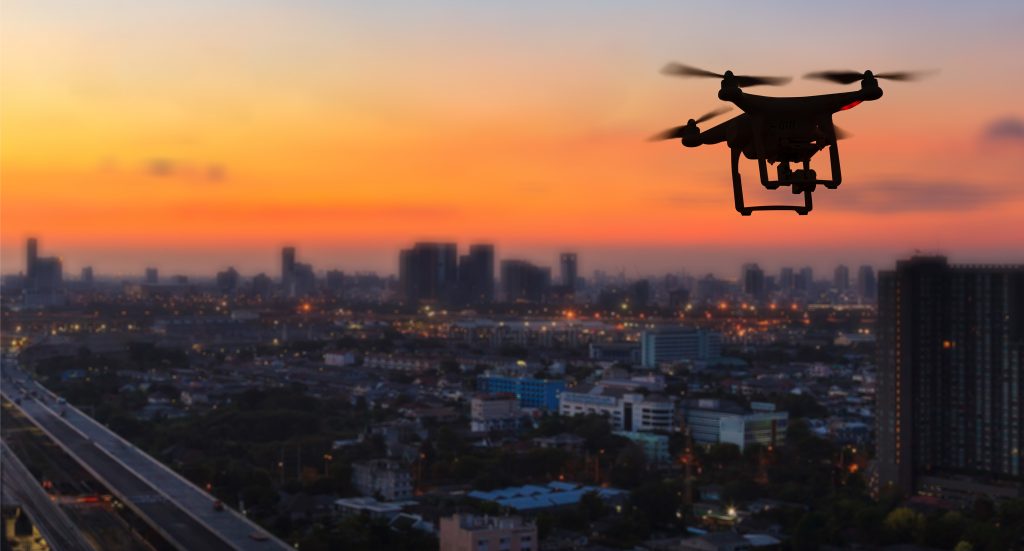
Mobile atmospheric sensing demands laser stability in places where benchtop instruments simply can’t go. From ground vehicles to fixed-wing aircraft, compact laser-based systems rely on precise, low-noise drivers to resolve trace gas concentrations at ppb levels. Wavelength Electronics’ precision laser drivers support these platforms with the stability needed for high-fidelity field measurements.
Microfluidics
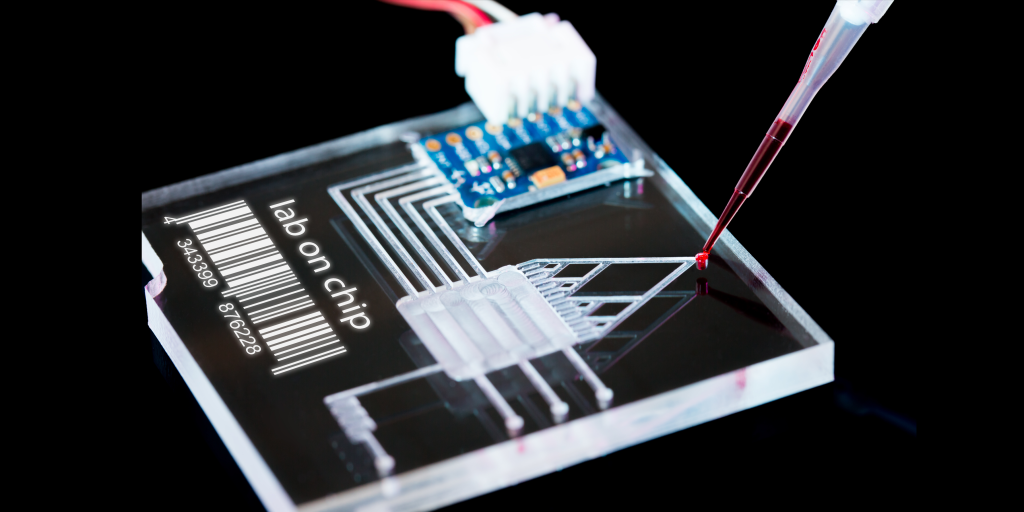
Advances in biomedical sensing demand laser stability far beyond what traditional assay tools can offer. From rapid biomolecule detection to microscale diagnostics, precise current control is essential. Wavelength Electronics’ WLD laser diode drivers deliver the stability needed for these next-generation platforms.
Trace Gas Sensing
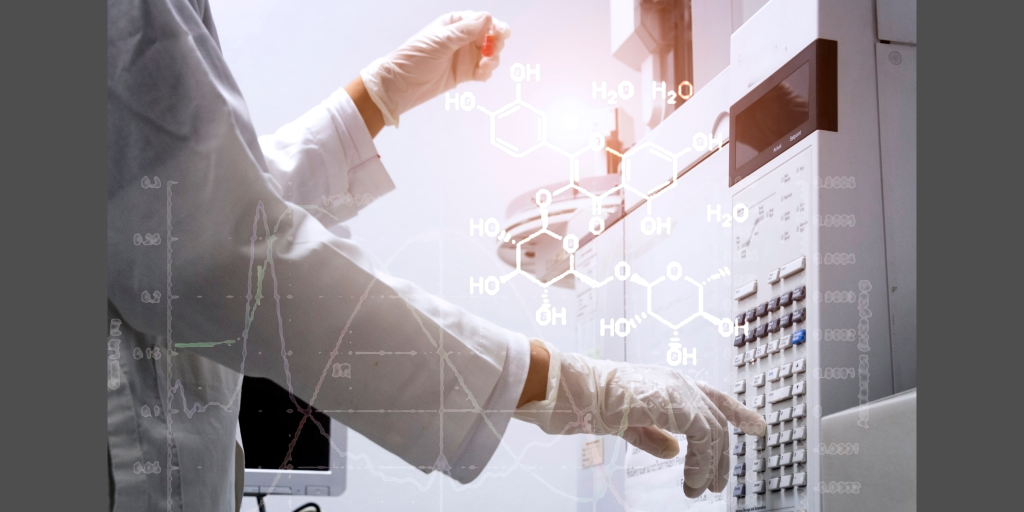
Detecting trace gases in the parts-per-billion or parts-per-trillion range requires far more precision than conventional sensing approaches can deliver. For applications where sensitivity and selectivity are critical, advanced Quantum Cascade Laser (QCL) systems paired with high-stability drivers provide a superior solution.
Raman Spectroscopy
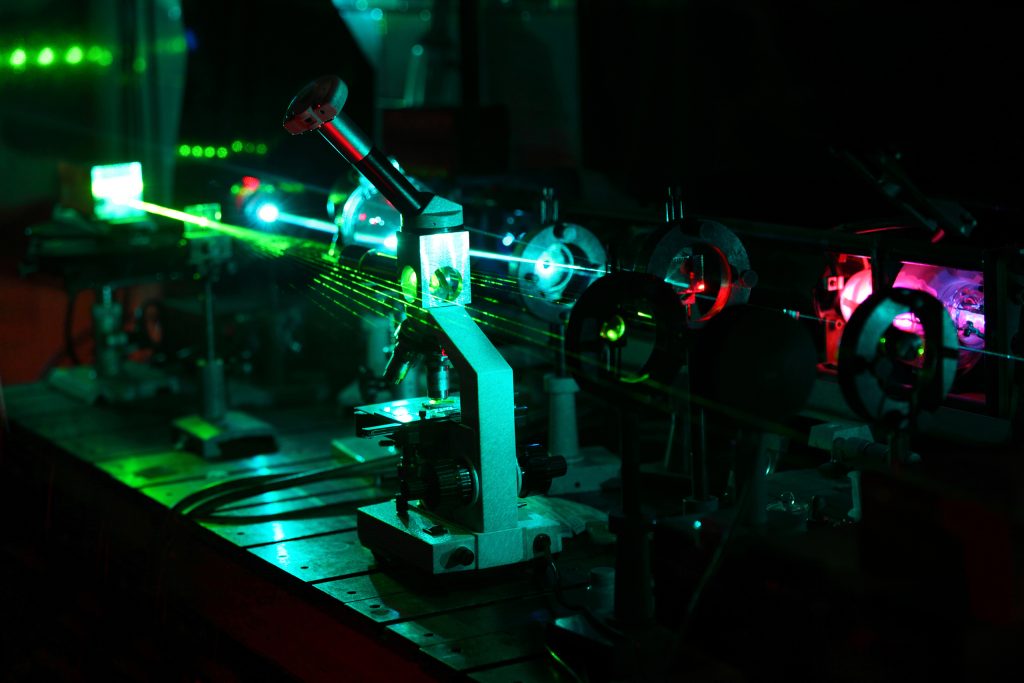
Raman spectroscopy uses laser light to probe the vibrational characteristics of molecules. When the laser interacts with a sample, a small portion of the scattered light shifts in wavelength, providing information about the molecular composition and structure of the material.