NEW Case Study: Mapping H2O Transport with Tomographic Absorption Spectroscopy

A new tomographic absorption spectroscopy (TAS) platform using two-dimension (2D) contour imaging to display H2O mole fraction distribution from the laminar jet into ambient air.

With the concern over the changing climate and the rise of pollutants in the air, precise and effective monitoring is needed for efficient reduction of greenhouse and hazardous gases in industrial production, transportation, and propulsion.
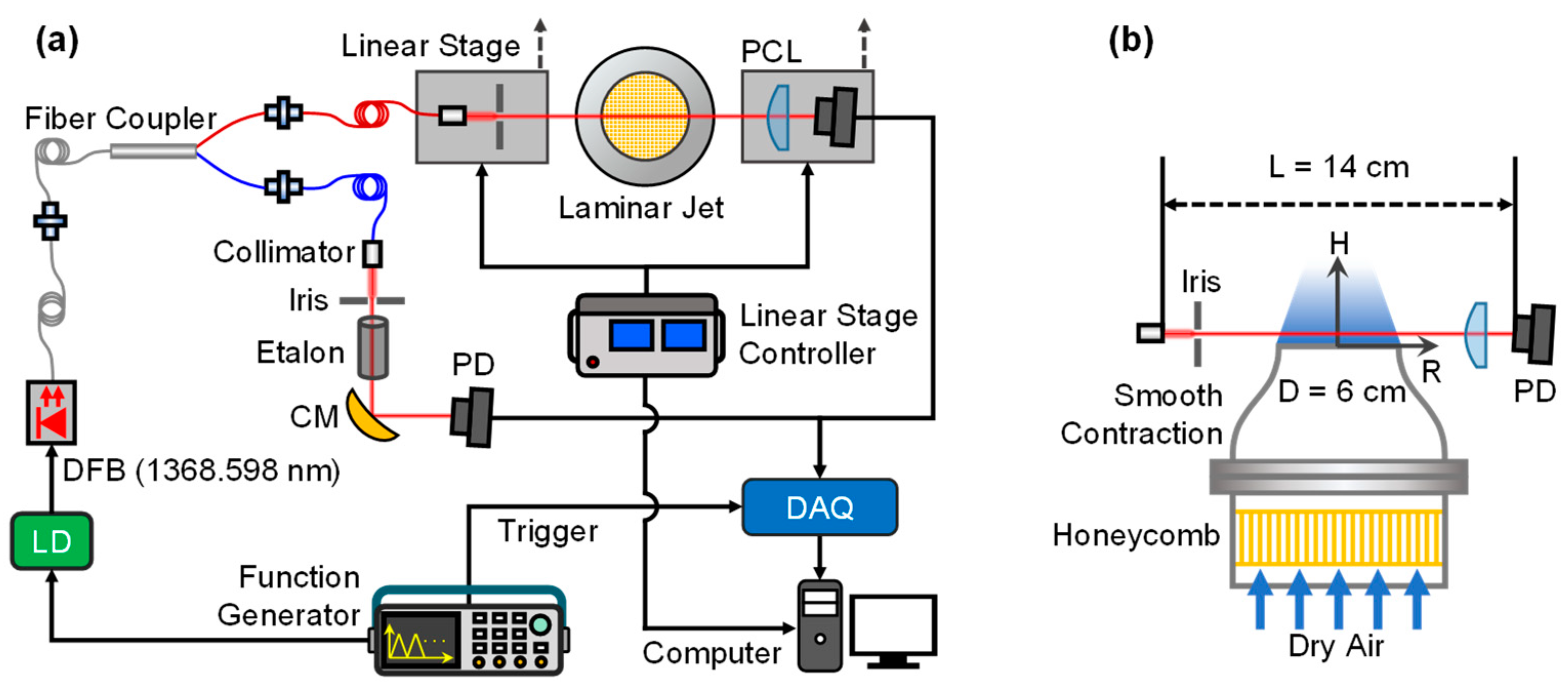
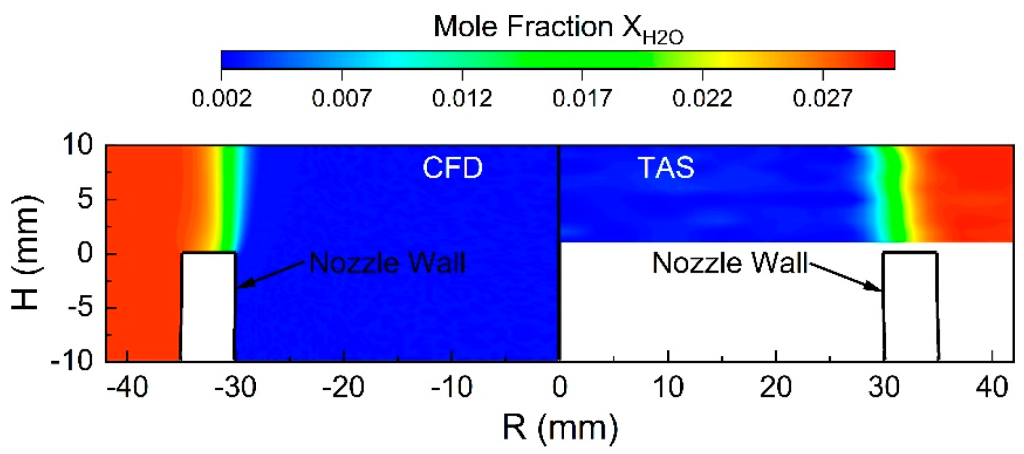
Researchers from the School of Aeronautics and Astronautics in Chengdu, China and the Chinese University of Hong Kong have developed a jet flow, TAS platform to study H2O transport in a non-reactive jet flow with various conditions. By combining tomography and absorption spectroscopy techniques with a laser with center wavelength of 1368.598 nm, two-dimension contour imaging was created to display H2O mole fraction distribution from the laminar jet into ambient air. The reconstructed distributions at different heights above the jet flow nozzle, as well as the 2D contour, matched well with and were validated with computational fluid dynamics (CFD) simulations.
A distributed-feedback (DFB) laser served as the TAS laser source for the investigation of H2O transport in a dry laminar jet. Wavelength Electronics’ LDTC0520 laser diode and temperature controller provided stable drive current and temperature control for the DFB laser with noise of 7.5 µA RMS, high temperature accuracy and 0.005°C stability, ensuring minimal noise was added to the photodetector after TAS. This research shows the great potential that TAS has in the field of mass transfer and scalar field of gaseous flows. The complete case study is available as CS-LDTC12.

NEW Case Study: High-Definition Video Broadcasting with QCLs

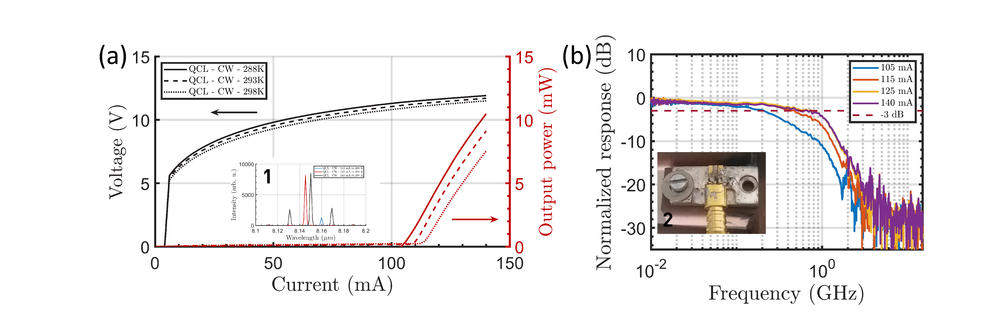
Free-space communications can overcome the logistical difficulties of broadband connections in remote or rural areas. By using long wave infrared (LWIR) quantum cascade lasers (QCLs) as optical sources, high data rates can be transmitted error-free, eliminating the need for physical connections.

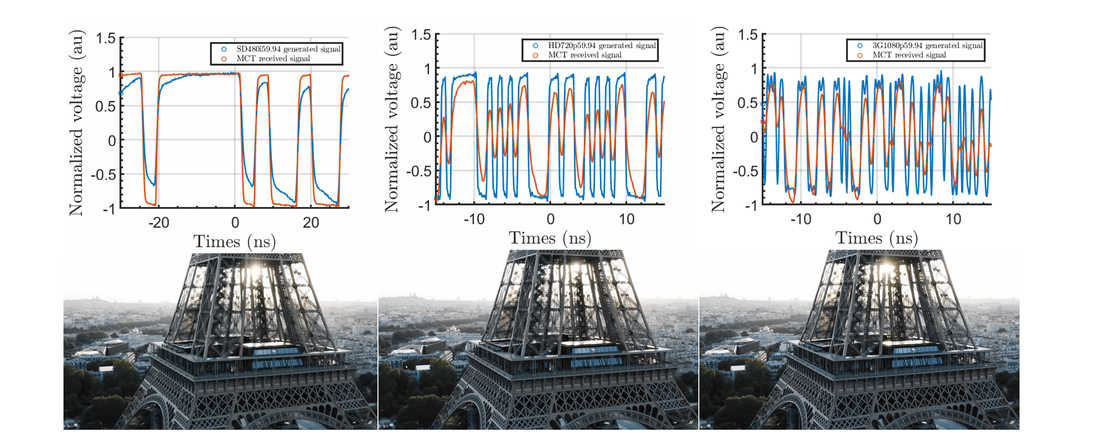
By experimenting with live video broadcasting at different levels of video formats, researchers realized free-space live video broadcasting with a room temperature QCL at a wavelength of 8.1 μm. The high definition video format (1280 pixels x 720 pixels) is transmitted at a data rate of 1.485 Gbits/s without any errors.

High definition video broadcasting requires high precision and stable control of the quantum cascade laser in signal transmission.

Wavelength Electronics’ QCL driver, QCL2000 LAB, enabled precise current control with minimal electronic noise from the QCL. The driver also provides analog modulation of up to 2-3 MHz for wavelength modulation, allowing the QCL to emit a constant, uninterrupted signal that is subsequently modulated for communication purposes. The transmission was studied for several hours at a time, indicating the long term stability of the QCL2000 LAB current driver. In addition, the stability of the QCL bias current is critical for consistent electrical bandwidth.

The low noise, high stability QCL2000 LAB, can precisely deliver up to 2 A to the laser. This benchtop instrument exhibits noise performance of 1.3 μA RMS up to 100 kHz with an average current noise density of 4 nA/√Hz. Wavelength Electronics’ QCL driver enables high definition video broadcasting with a data rate of 1.485 Gbits/s with low noise and stable laser output. This makes the developed QCL system a reliable tool for real field applications in free-space communication.

The complete case study is available as CS-LD07.

NEW Case Study: Using QCLs for Studying Exceptional Point Singularities

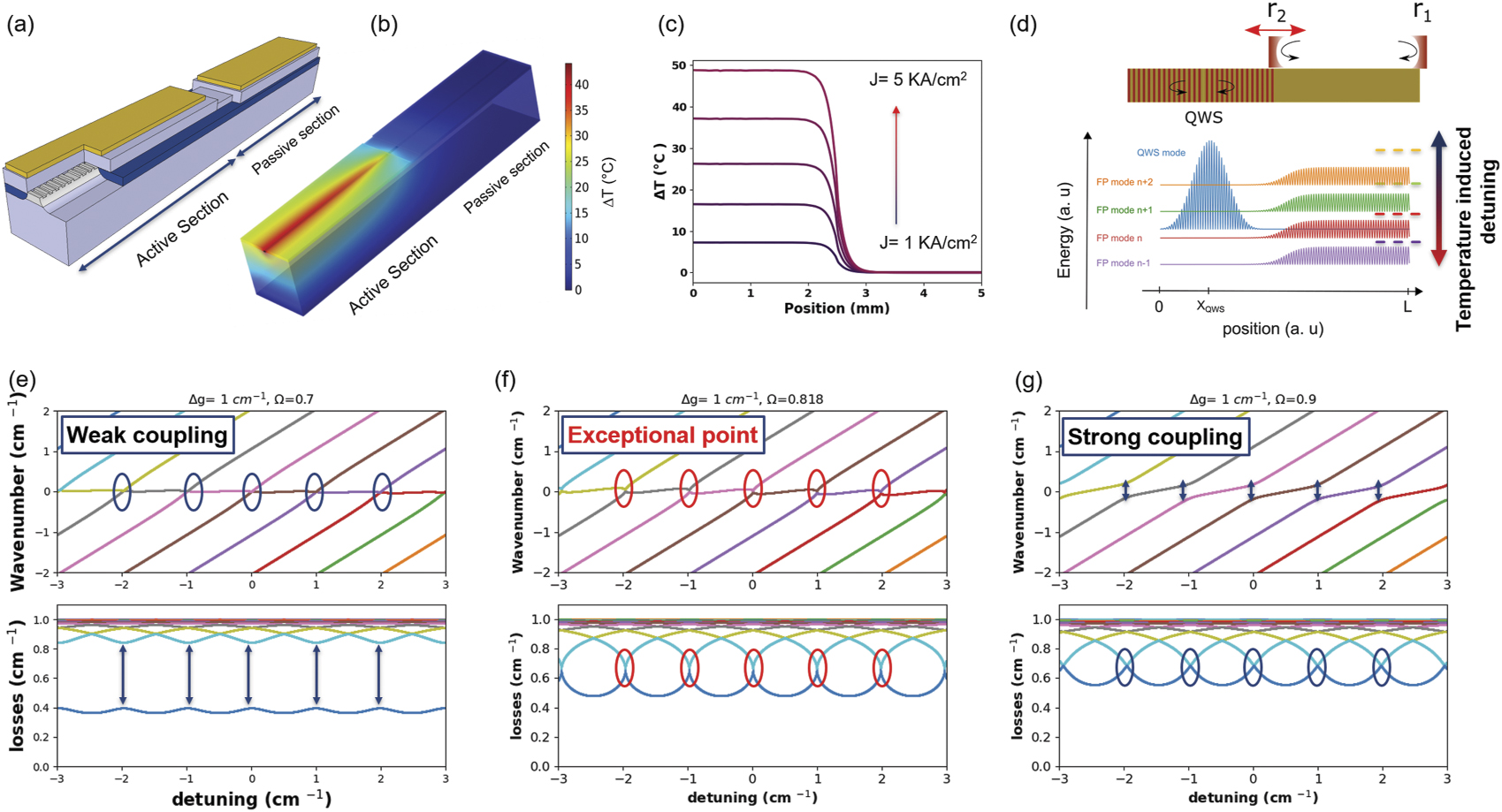
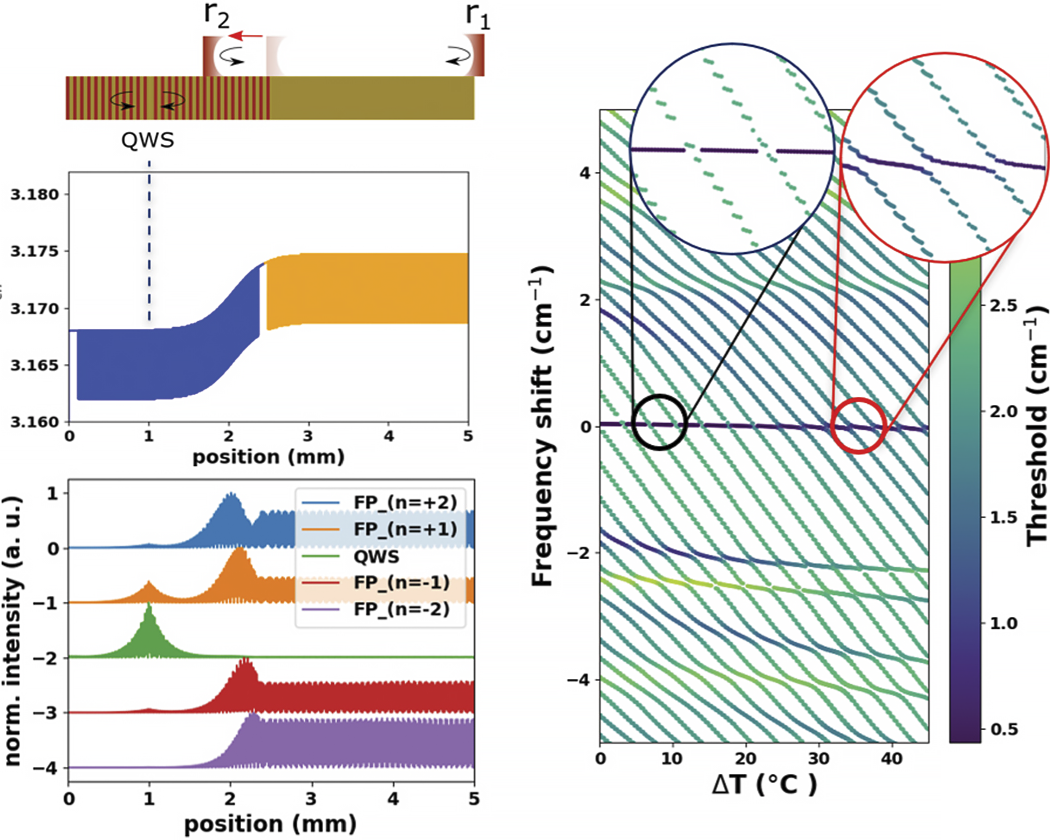
The effects of exceptional point (EP) singularities can naturally be seen in many applications in physical problems: mechanics, electromagnetism, atomic and molecular physics, quantum phase transitions, quantum chaos, and much more. Researchers from Switzerland have developed a more practical and robust method for studying these effects. As lasers provide an ideal system for direct observation and engineering of spectral singularities, two dual section distributed feedback (DFB) quantum cascade lasers (QCLs) were designed with Fabry-Perot modes and quarter wave shifted (QWS) DFB modes.

By varying the physical location of the QWS defect as well as the injection current, researchers were able to observe and study EPs based on the coupling parameters of the system. These results show that the developed QCL is a perfect platform to study and further the knowledge of EPs and the effects they have between the weak and strong coupled regime of a laser. Due to the temperature dependence on the injection current of the QCL, researchers upgraded the electronic drive equipment to utilize the high performance capabilities of Wavelength Electronics’ QCL2000 OEM driver. This critical component enables the sensitive measurements and analysis of EP degeneracy in QCLs and other non-Hermitian systems.

Because the EP degeneracy is lifted at only a certain applied current, ultra-low noise laser drivers were needed. Wavelength Electronics’ driver limits noise produced to as low as 1.3 μA RMS up to 100 kHz and an average current noise density of 4 nA/√Hz. With an output of up to 2 A and stability around 10 ppm long-term, the QCL2000 provided the stability and flexibility needed. This stability allowed researchers to discover the precise applied current at which the EP degeneracy was lifted.

The complete case study is available as CS-LD06.

NEW Case Study: A Ray Tracing Approach to Capillary-Based Backscattering Interferometry

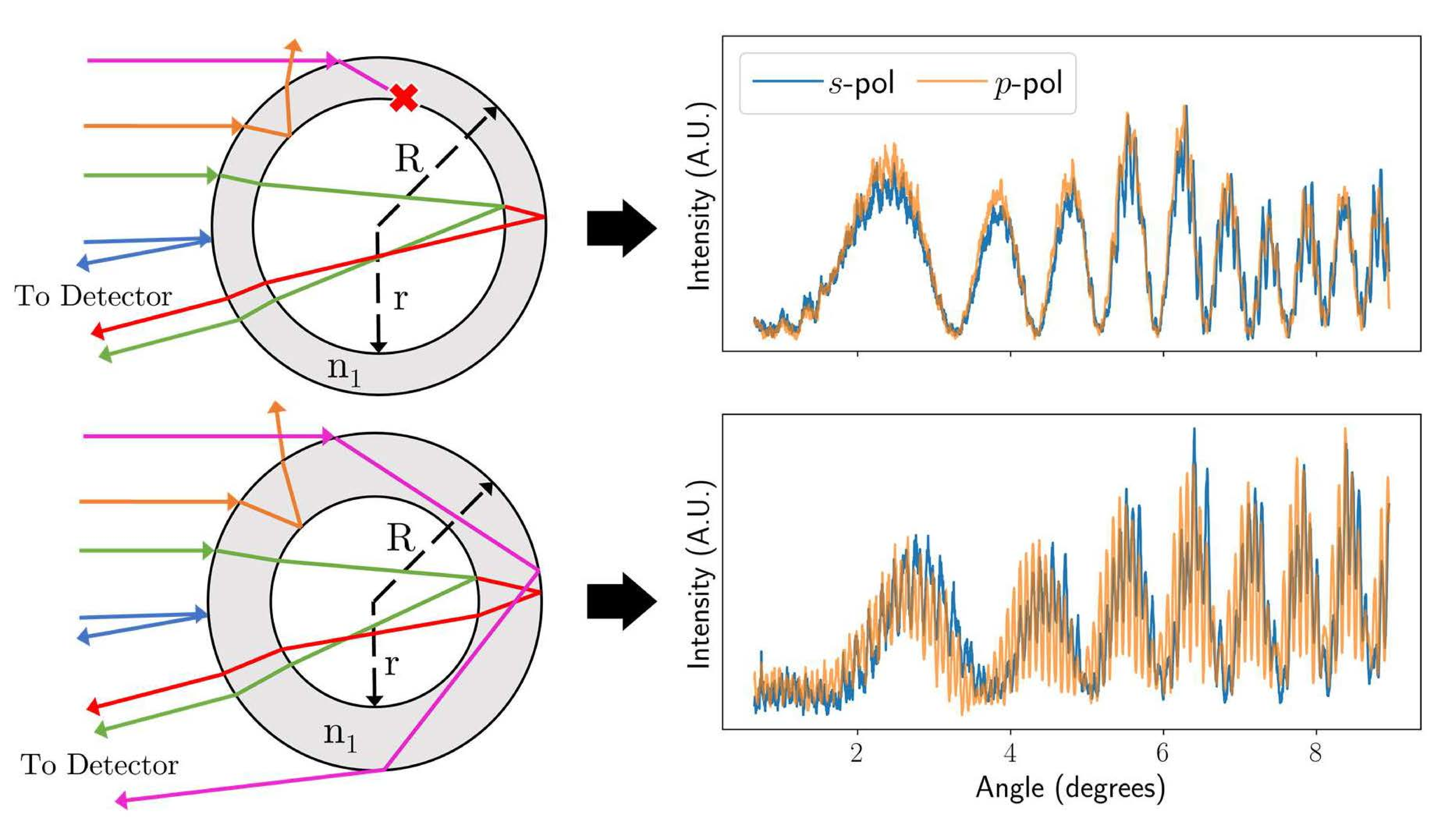
Capillary-based backscattering interferometry has been used as a highly sensitive refractive index sensing tool to measure molecular binding. Generally, ray tracing is used to simulate the backscattered light from the specific capillary. Previous ray tracing models do not account for polarization effects, capillary dimensions, material choices, and other parameters that could change the interference patterns captured.  Researchers from the United Kingdom have developed a comprehensive ray tracing model including many parameters not previously reported.

The significance of the inner diameter, outer diameter, and the refractive index of the capillary material are shown to heavily influence the interference pattern. Potential designs are explored to measure sensitive temperature changes, and therefore refractive index changes, based on capillary characteristics.

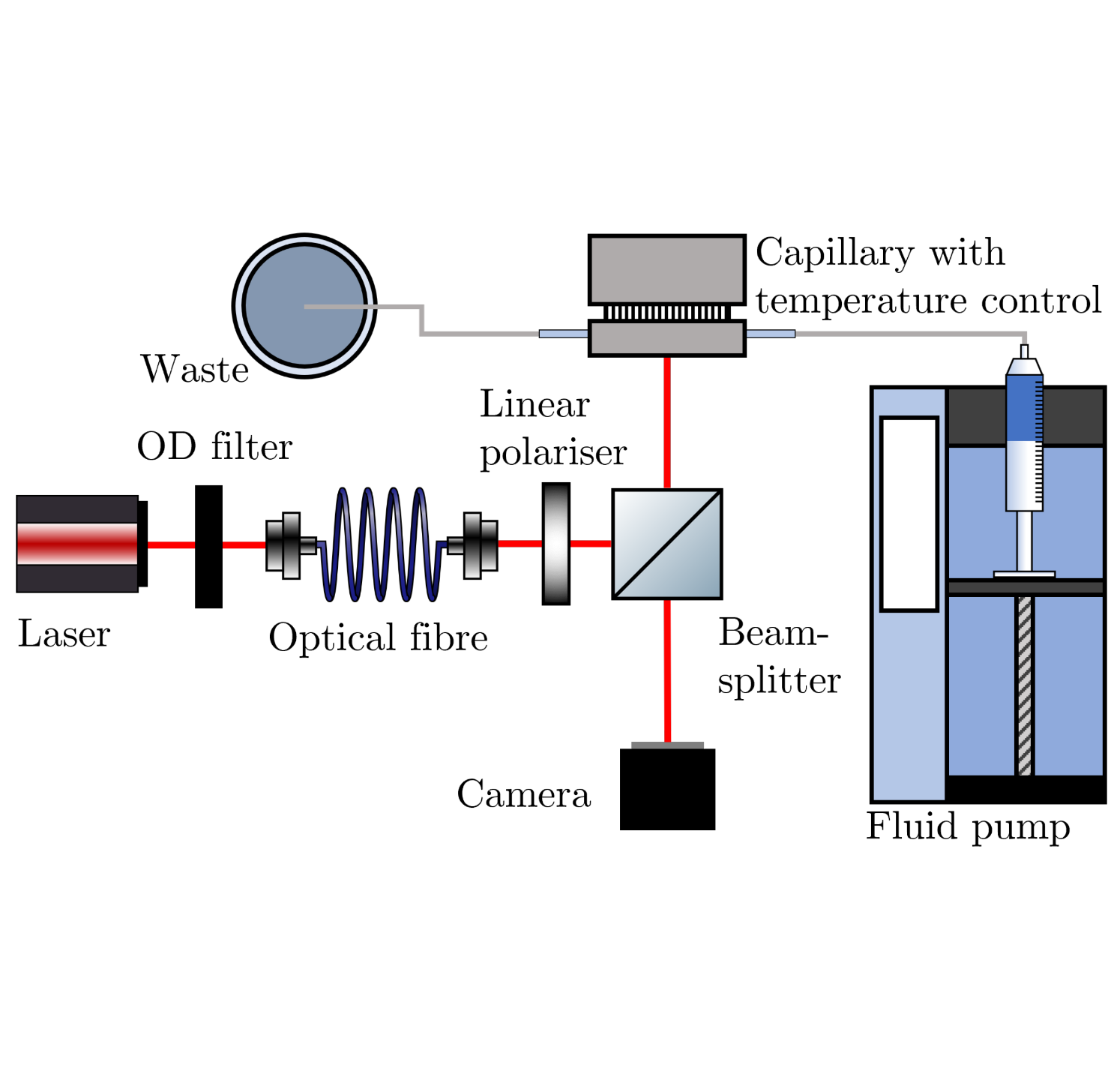
Due to temperature dependence of the refractive index of the solution inside the capillary and the capillary itself, the aluminum stage that holds the capillary needs to be maintained at a stable temperature. Wavelength Electronics’ WTC3243HB temperature controller can achieve 0.0009ºC temperature stability when coupled with a Peltier thermoelectric module. This controller, an adaption of the standard WTC3243 controller, operates from 3.6 V, Lithium-Ion batteries. The WTC3243HB ensured stable refractive index of the solution inside the capillary, correlating to a more stable and repeatable backscattering light collection from the camera.  By using the WTC3243HB temperature controller, researchers were able to maintain consistent and stable temperatures of the capillary and the solution inside the capillary in this backscattering interferometer, beneficial for measuring molecular binding via interferometric refractive index sensing.

The complete case study is available as CS-TC07.

NEW Case Study on Rapid Transitions of Thermo-Responsive Polymer Networks

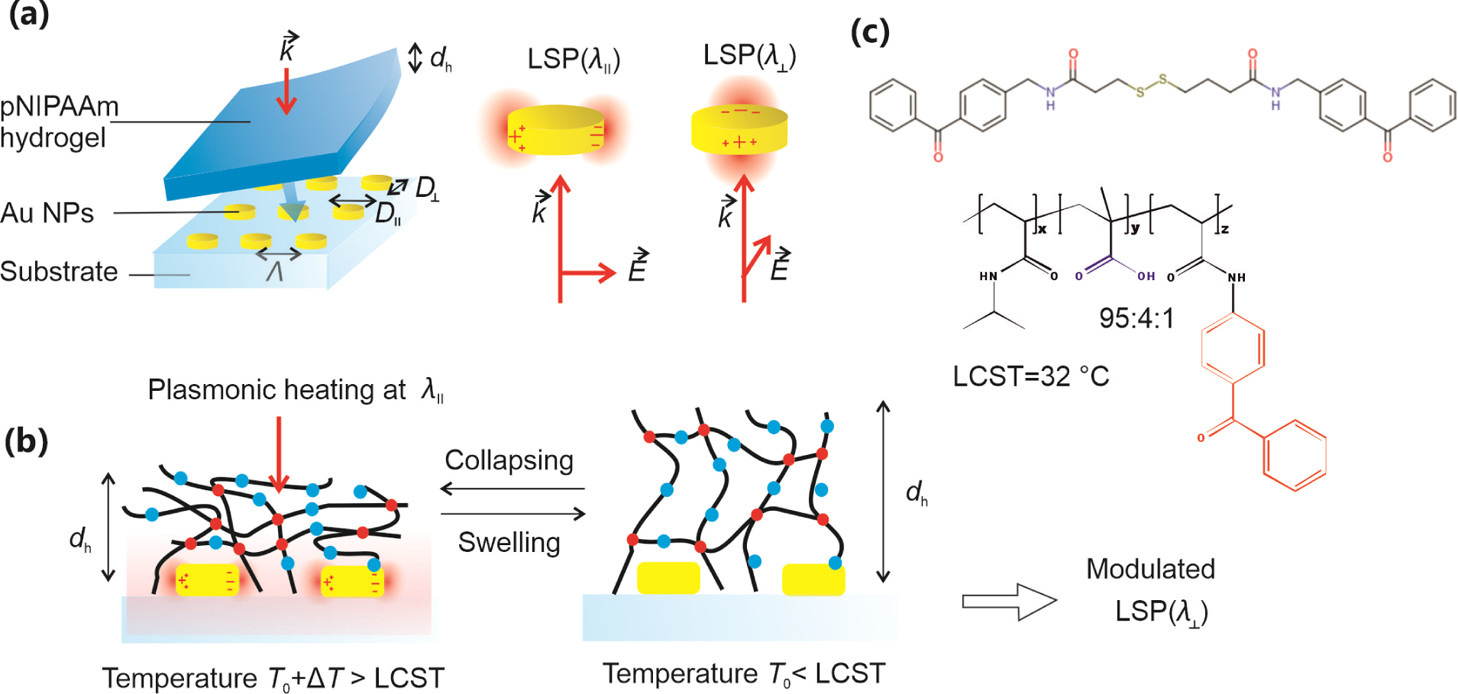
Responsive polymers are used in drug delivery, switchable biocompatible coatings, and advanced bio-interfaces in bioanalytical devices. Thermo-responsive polymers, where changing the temperature stimulates changes in the polymer properties, are the most common in biomedical applications. All thermo-responsive polymers have a lower critical solution temperature (LCST). Above or below this temperature determines the state of the polymer.

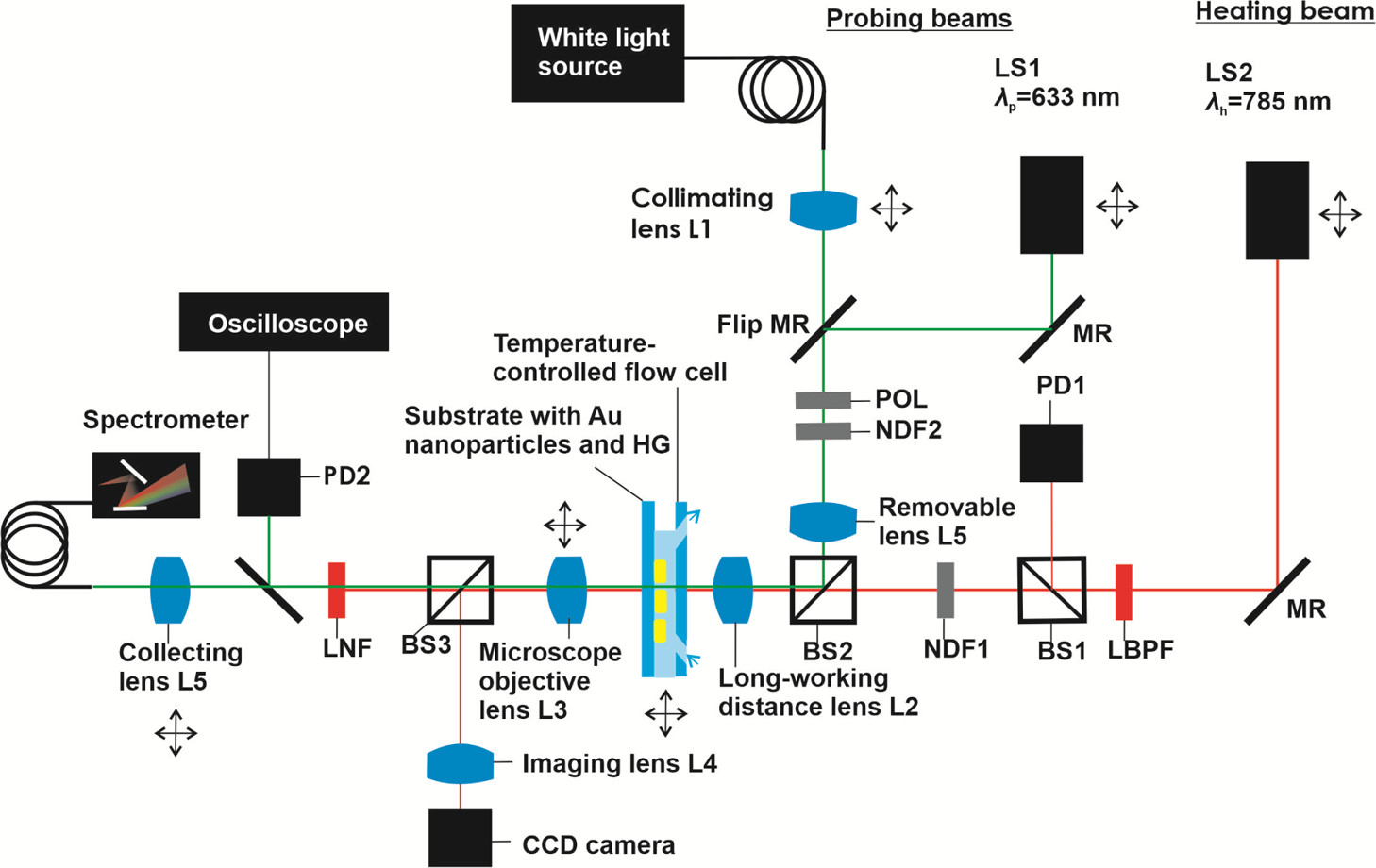
Many different external parameters affect the response speeds of the collapsing and swelling states in thermos-responsive polymers. With a plasmonic heating technique that optically excites localized surface plasmon (LSP) modes on the surface of Au nanoparticles, the temperature of the polymer hydrogel layer can be precisely controlled with respect to the ambient bulk temperature. By testing different bulk temperatures, longer heating beam pulses, and a variety of temperature change increases, researchers realized response times as low as 1.5 ms for the collapsing state and single digit milliseconds for the swelling state of the polymer hydrogel. With the investigated complex and different response times of thermo-responsive polymer networks, advances can be made in biomedical and miniature actuator applications.

The effect of the ambient bulk temperature on the sample was critical to the speed and timing of the thermo-response. To control this temperature, researchers used Wavelength Electronics’ LFI-3751 temperature controller to operate a Peltier device attached to the flow cell and substrate with the nanoparticle and polymer hydrogel layer. The high performance LFI-3751 temperature controller ensured constant and stable temperature of the polymer networks. By controlling this temperature and carefully increasing or decreasing above or below the LCST, researchers found the effects on ambient bulk temperature paired with plasmonic heating on thermo-responsive polymer networks.

The complete case study is available as CS-TC06.

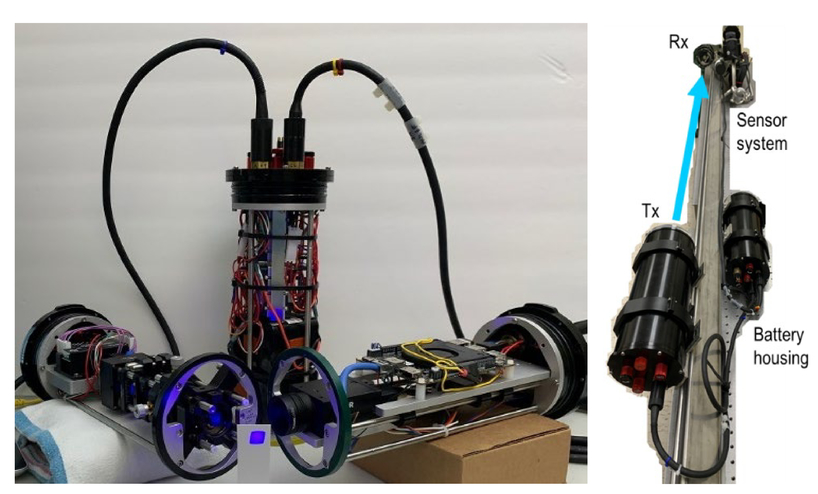
NEW Case Study on Deployable Scintillometer for Ocean Turbulence Using Superluminescent LED

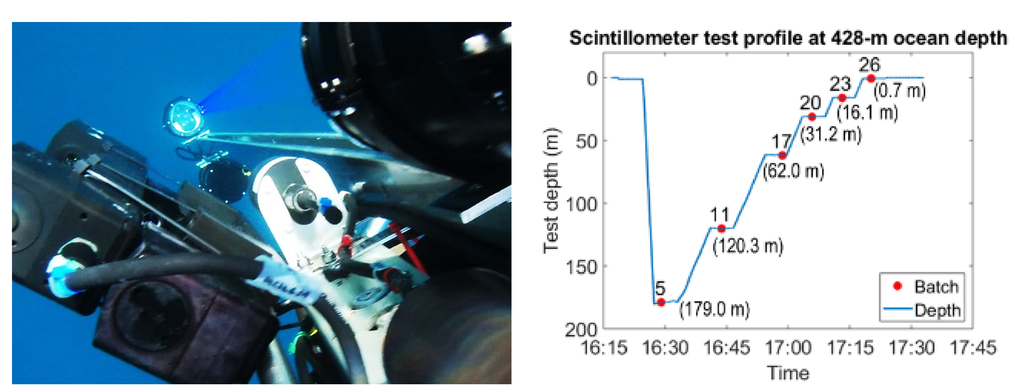
The use of imaging and free-space optical communication is increasing in underwater applications. Optical communication and inspection of piers, pilings, or ship berthing areas requires overcoming the constantly changing characteristics of the water, especially in the ocean. Researchers from the Naval Information Warfare Center Pacific (U.S.) and the University of Central Florida have designed and developed new algorithms and a portable scintillometer to characterize ocean turbulence for imaging and free-space optical communication applications. Suspended particulates scatter light and organic material absorbs light in the ocean, but ocean turbulence can limit resolution of imaging due to temperature gradients (thermocline) or salinity. As turbulence is not constant in relation to water depth, a real-time characterization of turbulence conditions is needed. With this design, the refractive-index structure parameter (Cn2) and the inner scale of optical turbulence (ℓ0) were measured at 1.9 x 10⁻¹¹ m-2/3 to 2.3 x 10⁻¹⁰ m-2/3 and 0.1 to 0.3 mm, respectively, correlating to measured thermocline parameters.

A superluminescent light emitting diode (SLED) served as the scintillometer source for optical ocean turbulence characterization in place of the commonly used laser diode. The SLED still requires stable current and temperature control in the portable design. Wavelength Electronics’ LDTC1020 laser diode and temperature controller provided the closed-loop control of the SLED’s drive current and temperature with minimal noise and high temperature accuracy. The LDTC1020 aided in the small footprint and mass required for the portable system.

The complete case study is available as CS-LDTC11.

NEW Case Study on Improved Gas Concentration Model Accuracy in Wavelength Modulation Spectroscopy

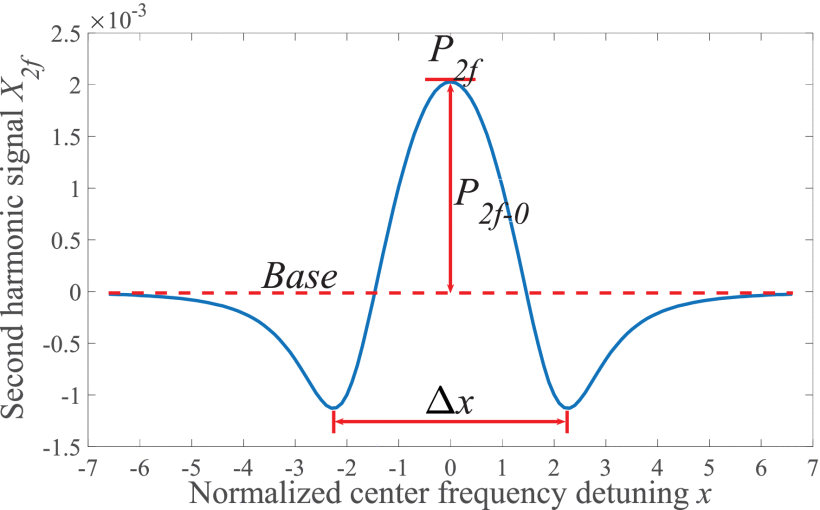
Laser absorption spectroscopy is built upon the properties of the Beer-Lambert Law, in the most basic form, relating the absorption of light and the concentration of a particular gas. Researchers from China have developed a new concentration inversion model for wavelength modulation spectroscopy (WMS) techniques in tunable diode laser absorption spectroscopy (TDLAS) applications. Traditional models do not take into account variations of the modulation depth in the second harmonic signal of the laser, thereby increasing the error of the measurement and decreasing the accuracy of the system. Through simulations and controlled experiments measuring CO gas concentrations, researchers achieve root-mean-square error (RMSE) of the gas concentration measurements of 5.468 × 10⁻⁵ with relative error of < 0.37% using an improved model of concentration inversion with modulation depth as a variable parameter. This model produces almost an order of magnitude better RMSE and almost five times better relative error, making this applicable in fields such as industrial and environmental gas monitoring.

Finding gas concentrations in industrial and environmental applications requires high precision, high accuracy, and stable temperature control of the laser diode used for the TDLAS. Wavelength Electronics’ laser drivers and temperature controllers enable the sensitive measurements and experiments for concentration inversion models based on second harmonic valley spacing, useful for gas detection in the commercial world. The stability of the laser diode in gas detection is critical, both in current stability of the injection current and the temperature control.

Wavelength’s low noise, high stability laser diode driver and temperature controller, the LDTC0520, can precisely deliver up to 500 mA to the laser and maintain the laser temperature with stability better than 0.005ºC for 1 hour on ambient temperature. It can provide up to ±2.2 A of current to a thermoelectric with both heating and cooling current limits. The PI control loop offers maximum stability while maintaining efficiency. The benefits of the temperature controller can also help narrow linewidth and can ensure the wavelength does not have any unwanted fluctuations. The laser diode’s life and performance are improved by tighter and more precise control of the laser heatsink temperature.

The complete case study is available as CS-LDTC10.

NEW Case Study on Fluorescent Hypoxia Detection Based on HIF-1alpha ODD Domain

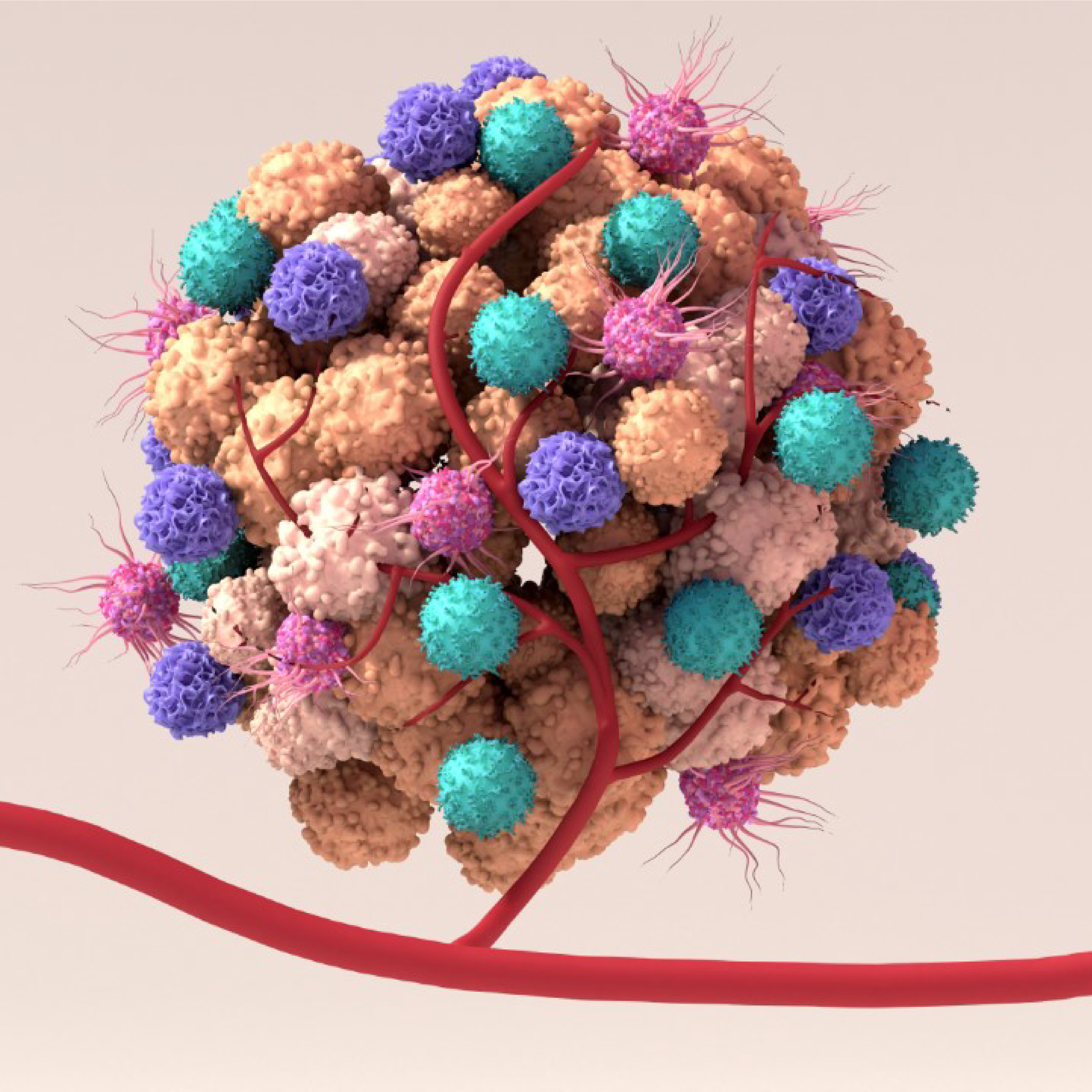
Functional imaging of tumor cells provides critical information about the size and location of the tumor, as well as the micro-environment. Many tumors grow faster than blood vessels can form, leading to a lack of oxygen. HIF-1α then regulates the creation of new vascular networks. Hence HIF-1α can be used to identify tumor aggressiveness, proliferation, and likelihood to metastasize. Researchers from Spain have reported a fluorescent hypoxia biosensor based on the oxygen-dependent degradation domain of HIF-1α. This probe is stabilized under hypoxia, properly degrades under normoxia, and retains the oxygen sensing capability of HIF-1α. The developed hypoxia sensor contributes to a deeper view and understanding of the tumor micro-environment that modern imaging techniques cannot provide.

Due to the highly sensitive nature of fluorescence spectroscopy, the spectra were recorded with a fluorometer coupled to Wavelength Electronics’ LFI-3751 temperature controller. The high performance and high precision LFI 3751 temperature controller ensured stable wavelength and power of the emitted light.

The complete case study is available as CS-TC05.

NEW Case Study on Ammonia Gas Detection With Laser Absorption Spectroscopy for Livestock

Gas emissions from large-scale livestock facilities increase directly with operation growth due to animals’ breath, waste fermentation, and the physical decomposition of the waste.

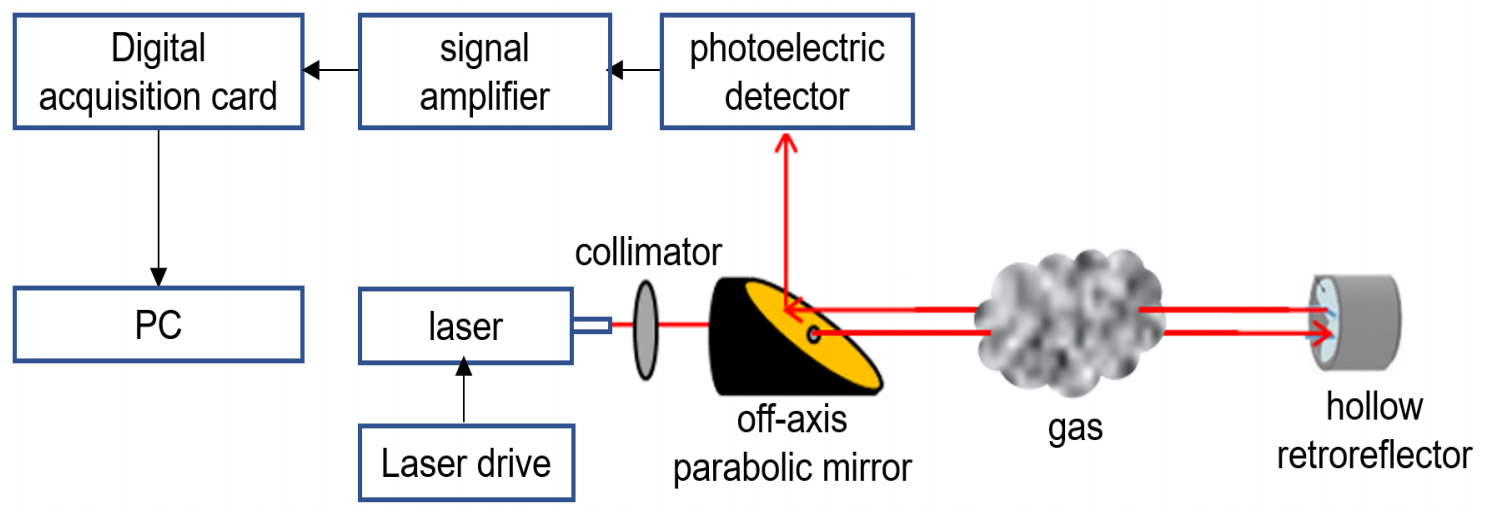
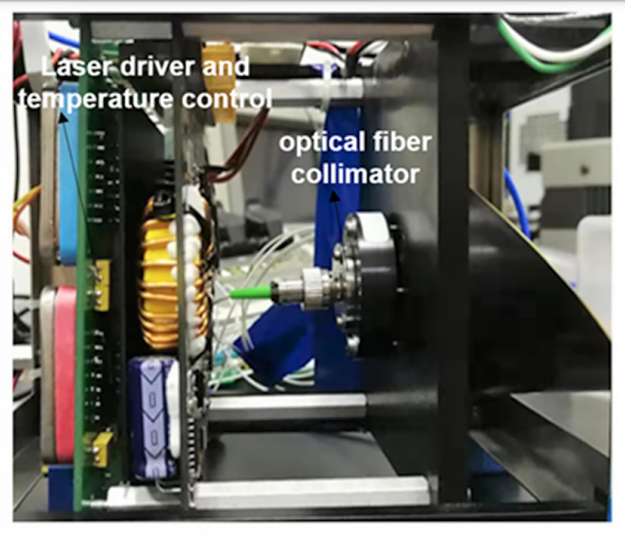
Researchers from China have developed a laser absorption spectrometer for high precision ammonia gas detection in livestock and poultry housing. Two different techniques are discussed: Open path laser absorption spectroscopy (OPLAS) and tunable diode laser absorption spectroscopy (TDLAS). Both provide support for precision air quality detection and control for this application. TDLAS achieves ammonia detection concentrations of lower than 5 ppm using harmonic absorption signals in the long path gas absorption well with total path length traveled for the light around 4.3 m. Laser absorption spectroscopy has similar results to other gas detection methods, while providing rapid and precise gas detection in portable systems.

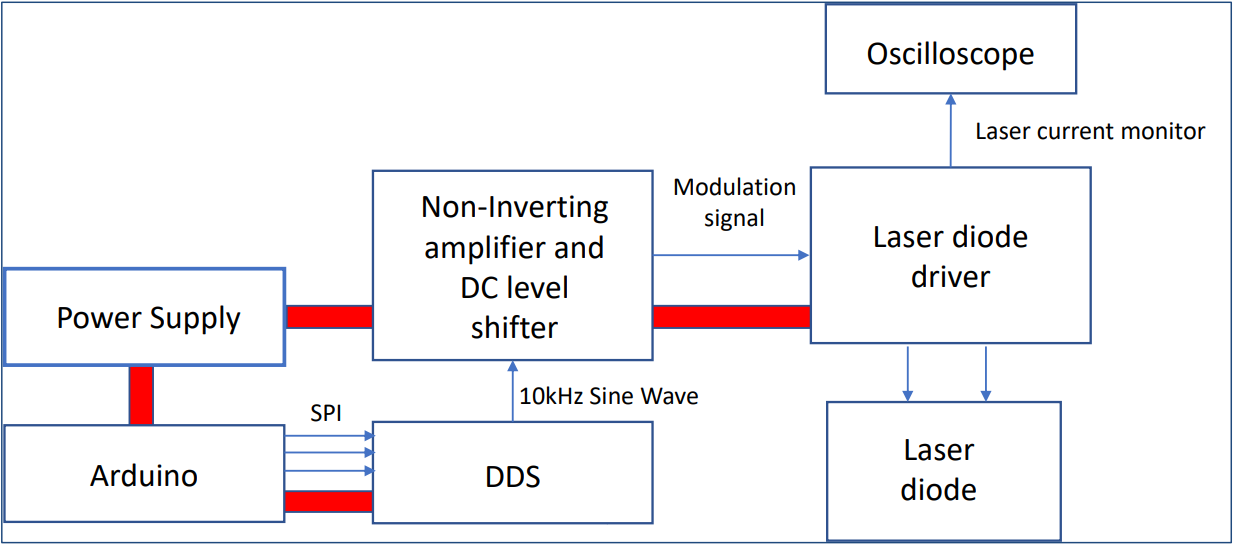
Laser stability is critical for sensing low concentrations of harmful gases in the air. Wavelength’s low noise laser diode driver, the WLD3343, can precisely deliver 500 mA of current to the laser diode without any heat dissipation accessories required and has the convenient option for voltage-controlled setpoint to further protect the laser. Because each study used some form of modulation, the initial sinusoidal or sawtooth signal was sent to the laser driver to modulate the output current to the laser.

For stable output power and accurate wavelength scanning with repeatable results, researchers used Wavelength Electronics’ WTC3243 temperature controller to control the laser temperature with stability better than 0.0009ºC. The benefits of the temperature controller can also help narrow linewidth and can ensure stable wavelength.

Accurate and sensitive gas emission measurements can improve the health and safety of livestock and workers. The complete case study is available as CS-LDTC09.

NEW Case Study on Biological Detection Using rTMV and M13 Virus Lasers

Detecting biomolecules, such as proteins or cells, with precision and high sensitivity is labor intensive with traditional assay devices. Researchers from the United Kingdom have developed a virus laser for rapid biomolecular detection with the precision of commercial systems. The commercial feasibility and low manufacturing cost of a genetically-engineered Tobacco Mosaic virus-like particle (rTMV) is investigated for virus laser applications, and the detection limit and amplified lasing signal are quantified for a virus laser utilizing the rod-like virus, M13.

A bio-laser is a relatively new technology that utilizes biological material as part of the laser cavity or part of the gain/lasing medium. A probe is used with a special tag to attach to the specific molecule for detection. Traditional probes have depended on antibodies and fluorescent dyes to make the binding detectable. Virus probes attached to the molecule will emit light as the virus is a part of the lasing system.

With the COVID-19 pandemic affecting businesses, social life, and especially the health and life of everyone, advancing technology for biological detection is critical to prevent further spread of the COVID-19 virus and improve healthcare quality. The pandemic has exposed the shortcomings of current analytical technology for biological detection.

With the virus material used as part of the lasing medium of the laser, detection of particular molecules in a sample is no longer difficult. Wavelength Electronics’ WLD3343 Laser Diode Driver with the WLD3393 Evaluation Board aided the laser system in providing constant current and stable wavelength for accurate and repeatable experiments. The manufacturability of rTMV was proven a success, and the M13-based detection probe showed orders of magnitude increase in signal from a 50% increase in probe concentration and is sensitive to 90 fmol mL-1 monoclonal antibody. Virus lasers show great potential for biological detection for today’s analytical needs.

The complete case study is available as CS-LD04.