Partnership with EKSPLA Electronics: Great engineering knows no borders


New partnership with EKSPLA Electronics announced!
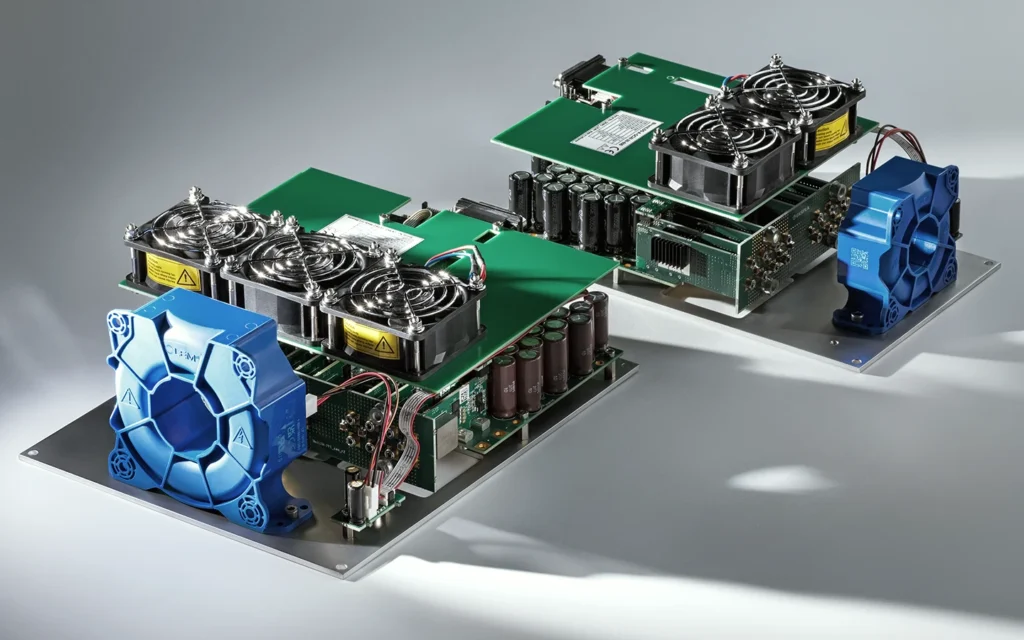
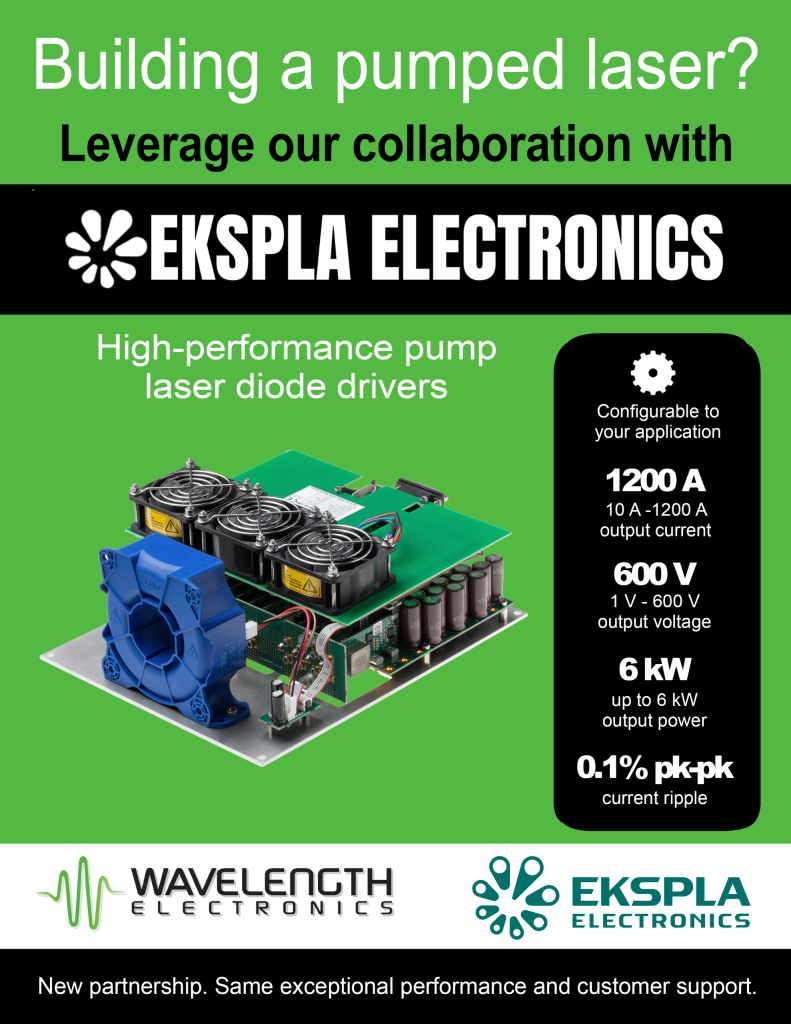
At Wavelength, we know that great engineering knows no borders, but accessing it should be seamless. We are thrilled to announce a new partnership with EKSPLA, a company whose name is synonymous with cutting-edge laser technology. Starting today, Wavelength Electronics will be the US source for EKSPLA’s uniLDD high power laser diode drivers.
The uniLDD is a unique piece of equipment. It was designed by the EKSPLA team to solve the complex thermal and current control challenges found in diode-pumped solid-state lasers or in a wide range of diodes (single emitters, bars, stacks, VCSELs, and LEDs). It is a driver born out of necessity and refined by experience while providing currents from 10A to 1200A with compliance voltages varying from 1V to 600V.
By combining EKSPLA’s manufacturing excellence with Wavelength’s local support and distribution, we are making it easier than ever for US engineers to integrate this robust technology into their own labs and OEM systems.
We look forward to seeing what you build with them.

Wavelength Electronics, led by CEO Mary Johnson, is now officially certified as a Woman-Owned Small Business.
Wavelength Electronics, founded by Mary Johnson in 1993, has thrived under her engineering-driven leadership. After earning her Electrical Engineering degree from Montana State University, Johnson launched the company and stepped into the CEO role in 2002, steering Wavelength with a commitment to photonics innovation that significantly improves lives.
Known for fostering an engineering-first culture, Johnson has built a collaborative, tight-knit team with in-house manufacturing, customized design support, and responsive customer service at its core. She remains deeply connected to industry advancement through the Montana Photonics & Quantum Alliance (MPQA) and is leading Wavelength into emerging fields such low noise, low current spectroscopy and medical applications.



Achieve Greater Stability in Spectroscopy and Precision Metrology
Are you working in spectroscopy or precision metrology and need improved stability for low-power laser diodes?
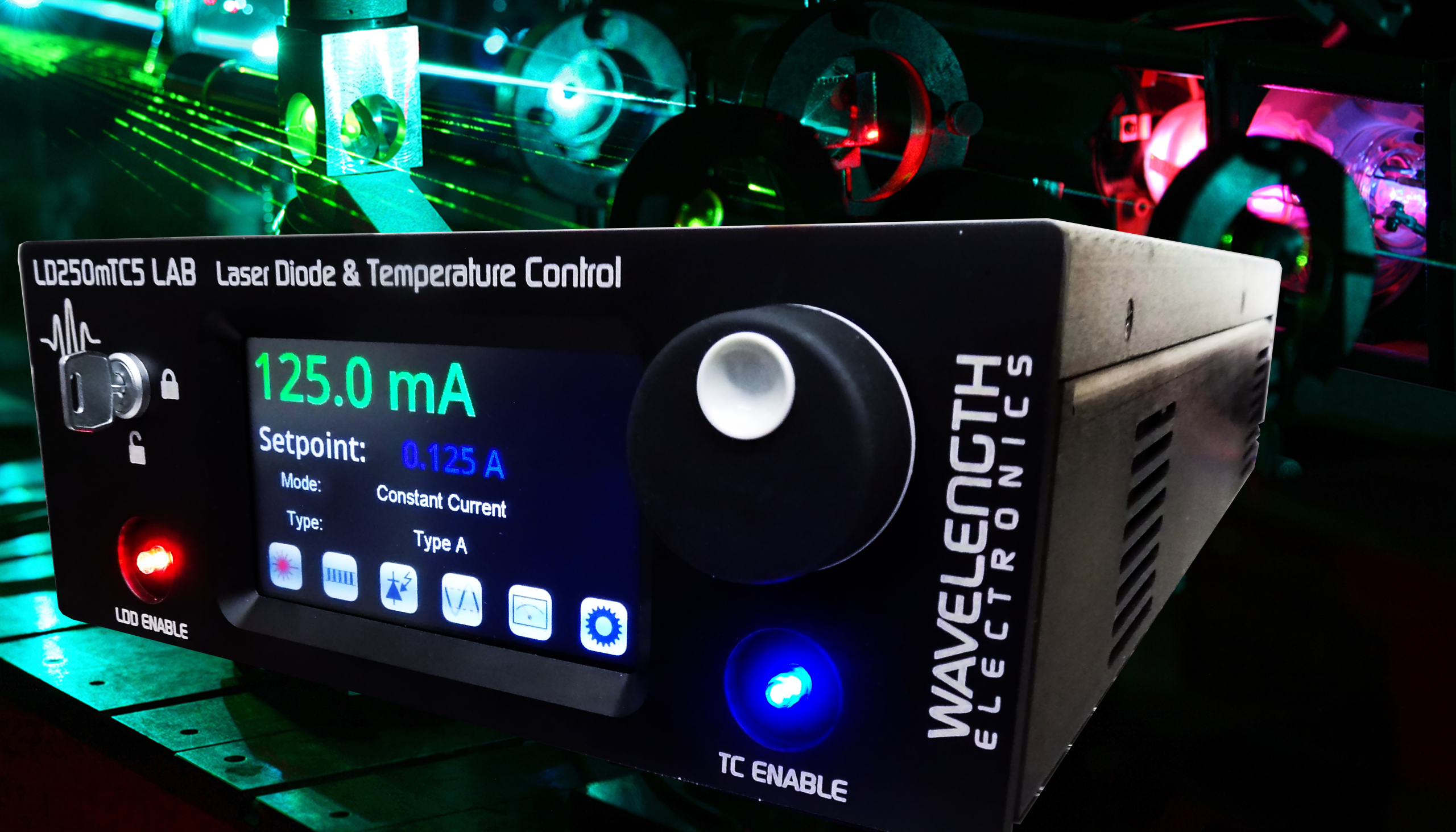
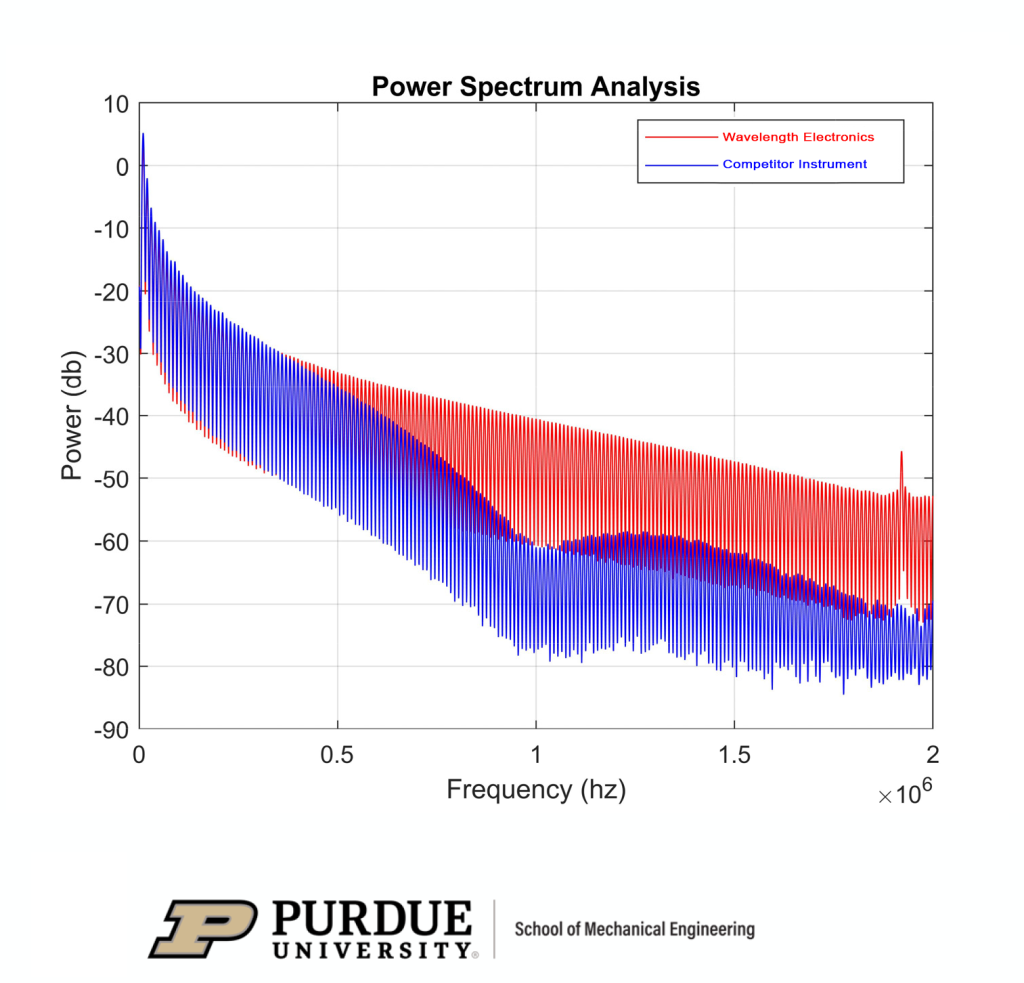
Introducing the LD250mTC5 LAB Series Laser Diode with Temperature Control Instrument — a compact, touchscreen-controlled solution designed for advanced experiments requiring exceptional stability and precision. With a 250 mA laser diode current capacity, this instrument delivers low noise, stable output power, and consistent wavelength performance. It’s engineered to minimize fluctuations and ensure reliable results over time.
Key Performance Highlights:
The intuitive touchscreen interface simplifies setup and operation, while broad compatibility with most sensor types and laser diode/photodiode combinations makes integration seamless.
Built-In Protections for Your Lab Equipment:
Wavelength Electronics partners with high-tech researchers and manufacturers to successfully complete strategic projects through fully featured controllers, engineering expertise, and responsive tech support. Discover how the LDTC LAB Series can elevate your application. Contact us at 406-587-4910, or email sales@teamwavelength.com to learn more.

Over the past few months, we’ve been keeping a close eye on the ripple effects of new international trade regulations. At first, the impact was minimal. But gradually, we began to see costs working their way through every part of the supply chain. We did what we always try to do: absorb as much as possible, look for efficiencies, and keep things running smoothly without passing the burden along.
As time went on, it became clear that some of these changes were going to stick around. Because of this, we’re introducing a tariff-related surcharge on certain orders, effective immediately. We know this isn’t welcome news, and it’s not a decision we made lightly.

We will keep you informed as changes continue to unfold.
We’re committed to being transparent, keeping you informed, and continuing to deliver the quality and service you count on, even as we adjust to a shifting global landscape.

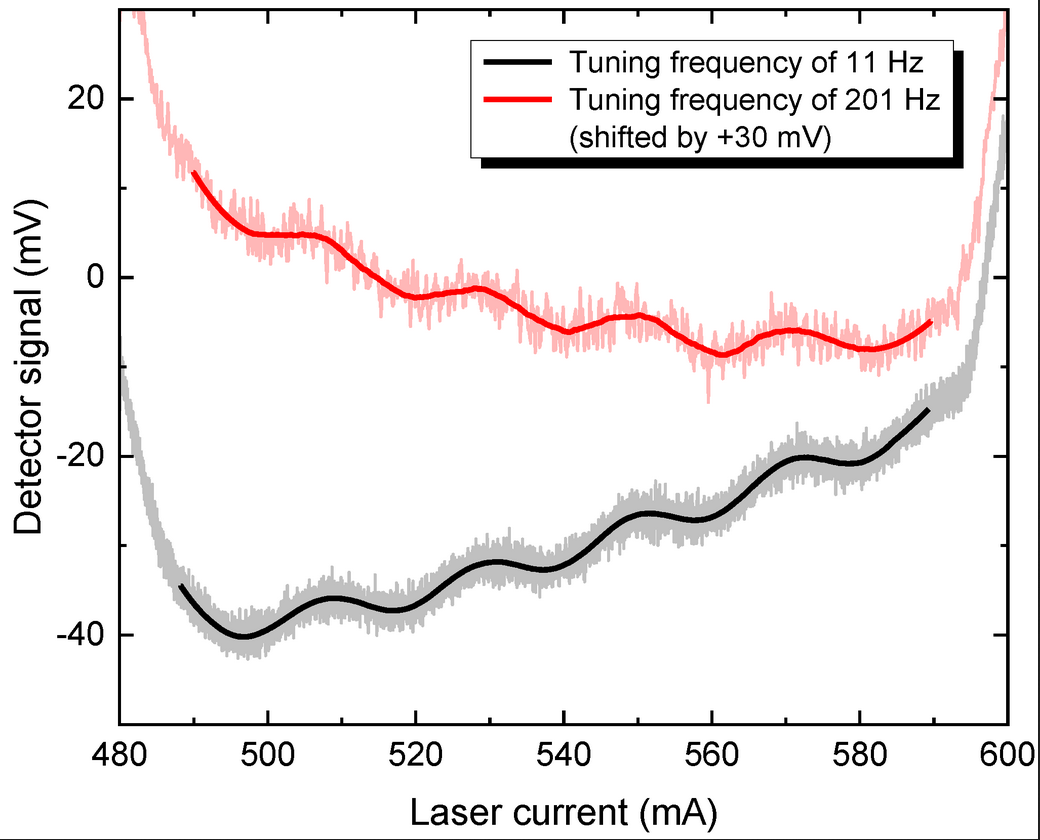
Researchers from Germany have developed a high-speed pyroelectric receiver using a LiTaO3 pyroelectric detector as a cryogen-free solution for terahertz (THz) absorption spectroscopy measurements. This receiver can record spectra at frequencies up to 281 Hz without introducing artifacts into the observed spectral absorption profile. By operating at room temperature, the compact system provides a practical and efficient alternative to cryogenically cooled detectors, making it a reliable platform for THz spectroscopy, offering robust performance without the need for complex cooling infrastructure.
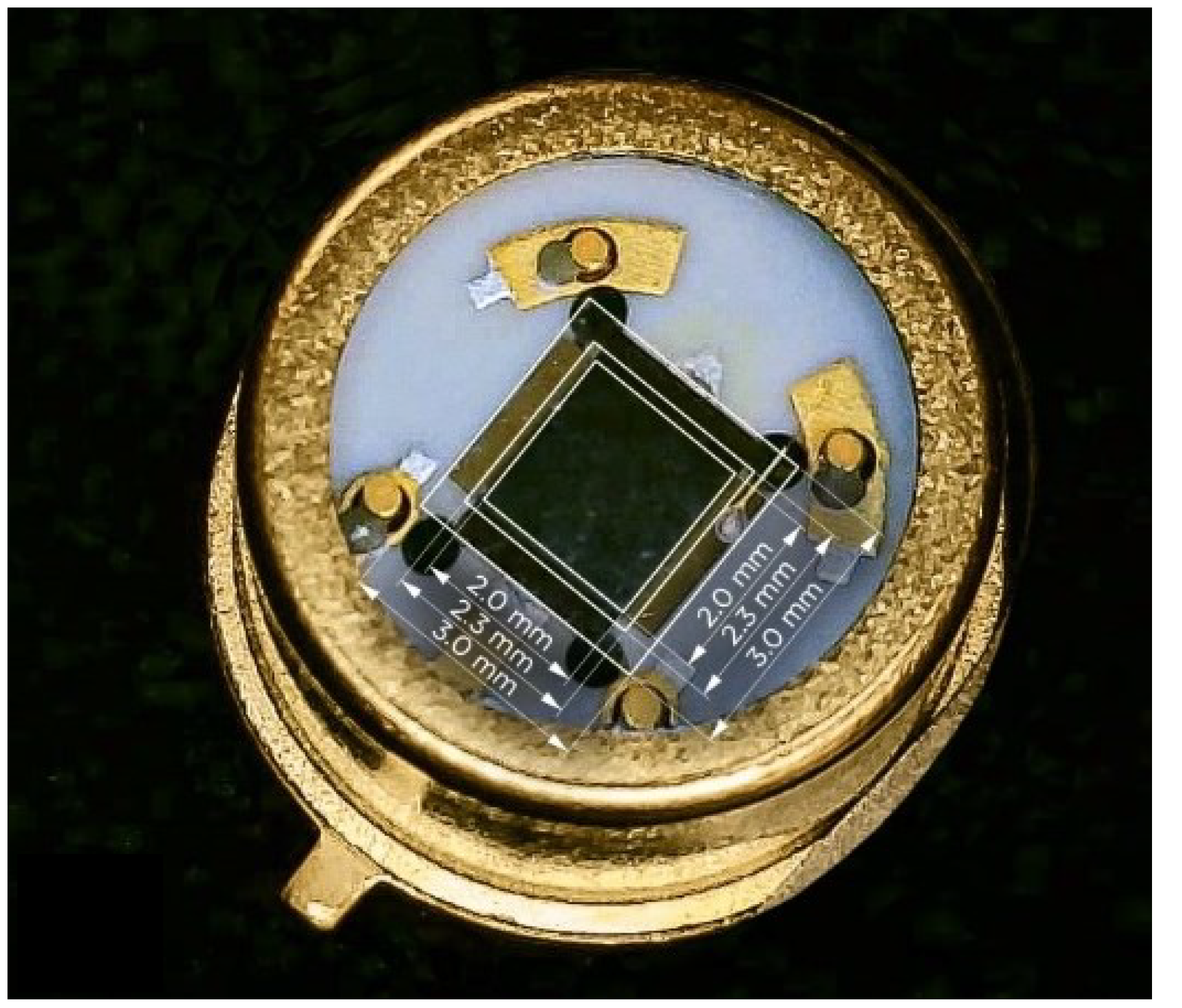
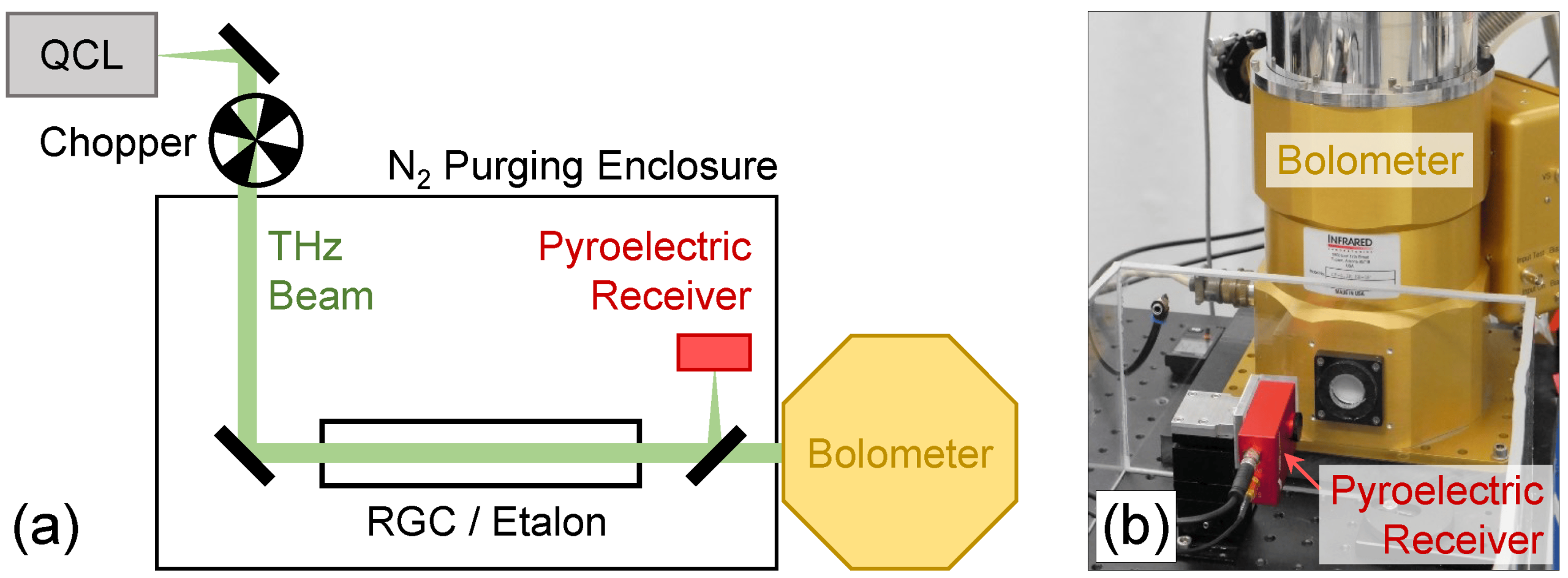
Cryogenic cooling has long been the standard in high sensitivity detection systems, particularly in applications requiring the measurement of low-energy signals, such as terahertz (THz) spectroscopy. However, cryogenic systems are complex, expensive, and require continuous maintenance, including replenishing cooling agents. Cryogen-free detectors offer a more practical, compact, and cost-effective solution, eliminating the need for cumbersome cooling systems.
To optimize the performance and testing of the high-speed LiTaO3 pyroelectric receiver, researchers integrated the innovative capabilities of Wavelength Electronics’ QCL1000 OEM driver. Given the significant impact of temperature and noise on the pyroelectric receiver’s performance, ultra-low noise current drivers were required. Wavelength Electronics’ QCL1000 OEM driver operates with a low noise floor, maintaining an output current RMS noise of less than 0.7 μA at operating frequencies up to 100 kHz. This level of noise reduction is vital for accurately capturing the rapid spectral features without introducing artifacts, thereby ensuring a clean spectral absorption profile.
Continuous ramping of the laser current was required for fast measurements with high spectral resolution. Because the spectral resolution of the system is given by the laser linewidth, the laser drive must maintain a narrow linewidth from the QCL. The QCL1000 OEM driver achieved this with a narrow linewidth of 2 x 10⁻⁴ cm-1, approximately 6 MHz. With a typical stability of around 10 ppm, the QCL1000 OEM driver ensures optimal operating conditions for both the THz QCL and the pyroelectric receiver, significantly enhancing measurement capabilities. This integration has proven instrumental in achieving high-speed data acquisition rates of up to 281 Hz without compromising the integrity of the recorded spectra.
The complete case study is available as CS-LD13.

Researchers have developed and validated a novel approach for real-time, non-invasive monitoring of palm oil quality during the milling process using chlorophyll fluorescence spectroscopy. This method leverages chlorophyll’s photo-response properties to directly probe palm oil quality without disrupting the production line. The technique integrates a sensor that detects changes in chlorophyll’s fluorescence, providing immediate feedback on key quality parameters such as fruit freshness and maturity. The results show a high correlation coefficient of 0.88 between the chlorophyll-based measurements and American Oil Chemists’ Society measurements, indicating accurate and reliable real-time monitoring. This fluorescence technique provides a significant improvement in quality control, offering a non-invasive and more efficient way to monitor palm oil quality throughout production.

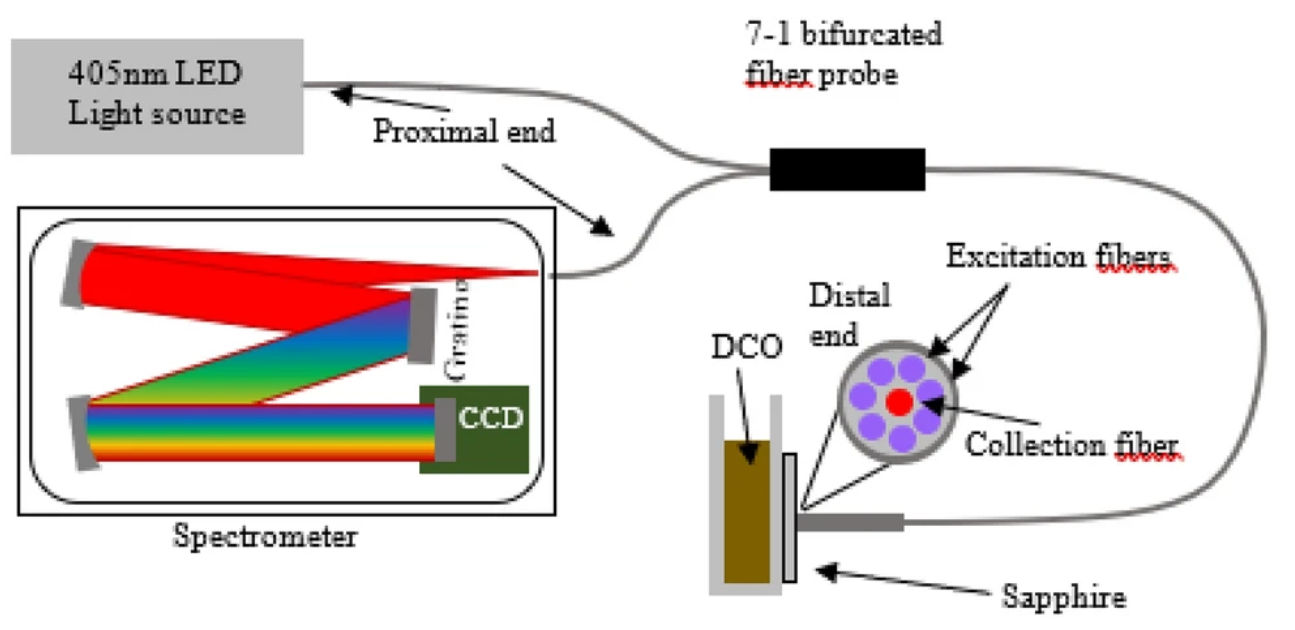
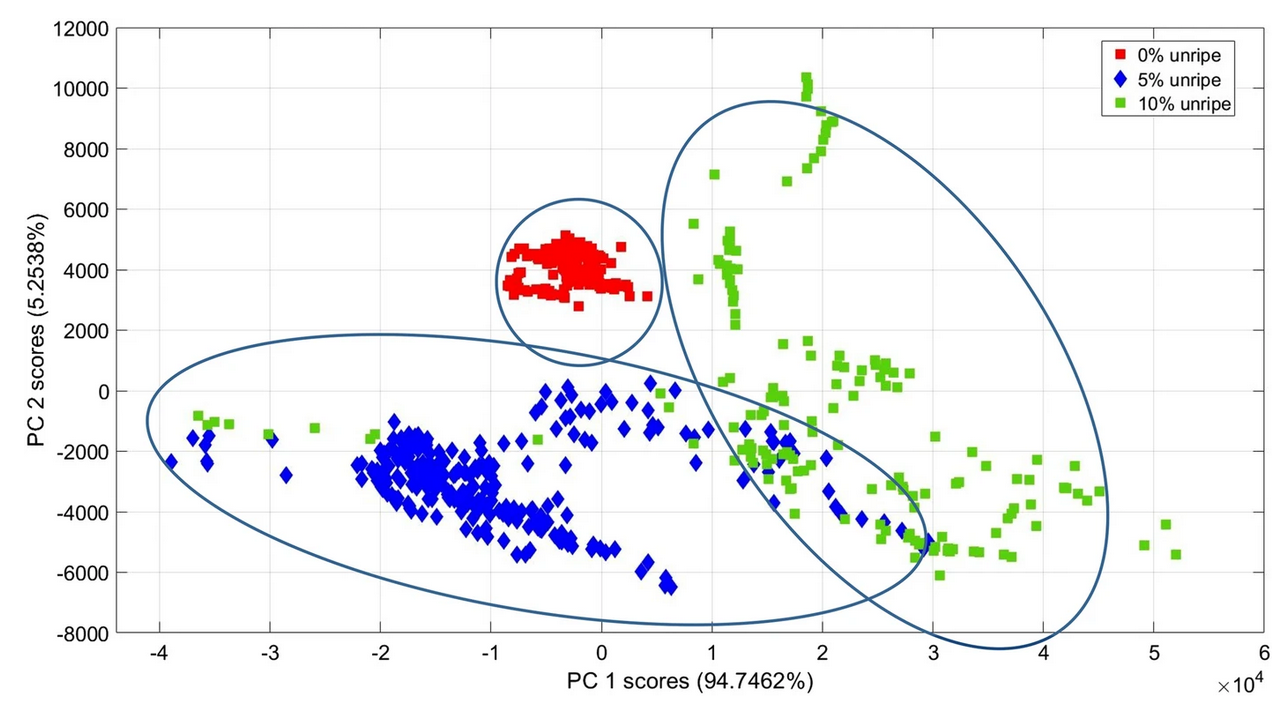
In the development of the chlorophyll detection system for palm oil quality monitoring, Wavelength Electronics provided critical components that ensured the stability and accuracy of the system’s optical measurements. The precise control of light emission and constant current was essential for detecting chlorophyll photo-response effectively.
Researchers utilized the WLD33ND Laser Driver from Wavelength Electronics to manage the drive current of the LED light source. Its compact size, current stability, and as low as zero leakage current were crucial for maintaining stable and consistent light emission, which is vital for accurate chlorophyll measurements. As LEDs are very sensitive to drive current and voltage fluctuations, the WLD33ND driver reduces variation in supplying power to the LED light source.
Additionally, the WLD33ND-2AEV Evaluation Board for the WLD33ND Driver facilitated rapid prototyping and integration of the LED and its driver into the oil monitoring system. This streamlined integration was important for optimizing the LED modulation parameters and ensuring reliable performance during real-time monitoring.
Wavelength Electronics’ components played a pivotal role in achieving the necessary precision and stability for the inline sensing system, demonstrating the importance of fully-featured controllers, engineering expertise, and responsive tech support for high-tech researchers and manufacturers in a wide variety of applications.
The complete case study is available as CS-LD12.

Researchers from Colorado State University and Surprise, AZ have developed an ammonia sensor based on wavelength modulation spectroscopy (WMS) utilizing a quantum cascade laser (QCL) at 10.33 μm for mobile applications. The ammonia sensor was deployed on a ground vehicle for ammonia concentration measurements in a city for automobile combustion and on a fixed-wing plane for measurements in air for feedlot ammonia emissions. This compact (~20 L), lightweight (~3.5 kg), and battery-powered (<30 W) design operates autonomously to achieve a sensor accuracy of <~2% and precision of ~4 ppb in 1 s. This mobile sensing approach provides a scalable solution for detecting and quantifying anthropogenic emissions of ammonia in the atmosphere in industrial and agricultural settings.
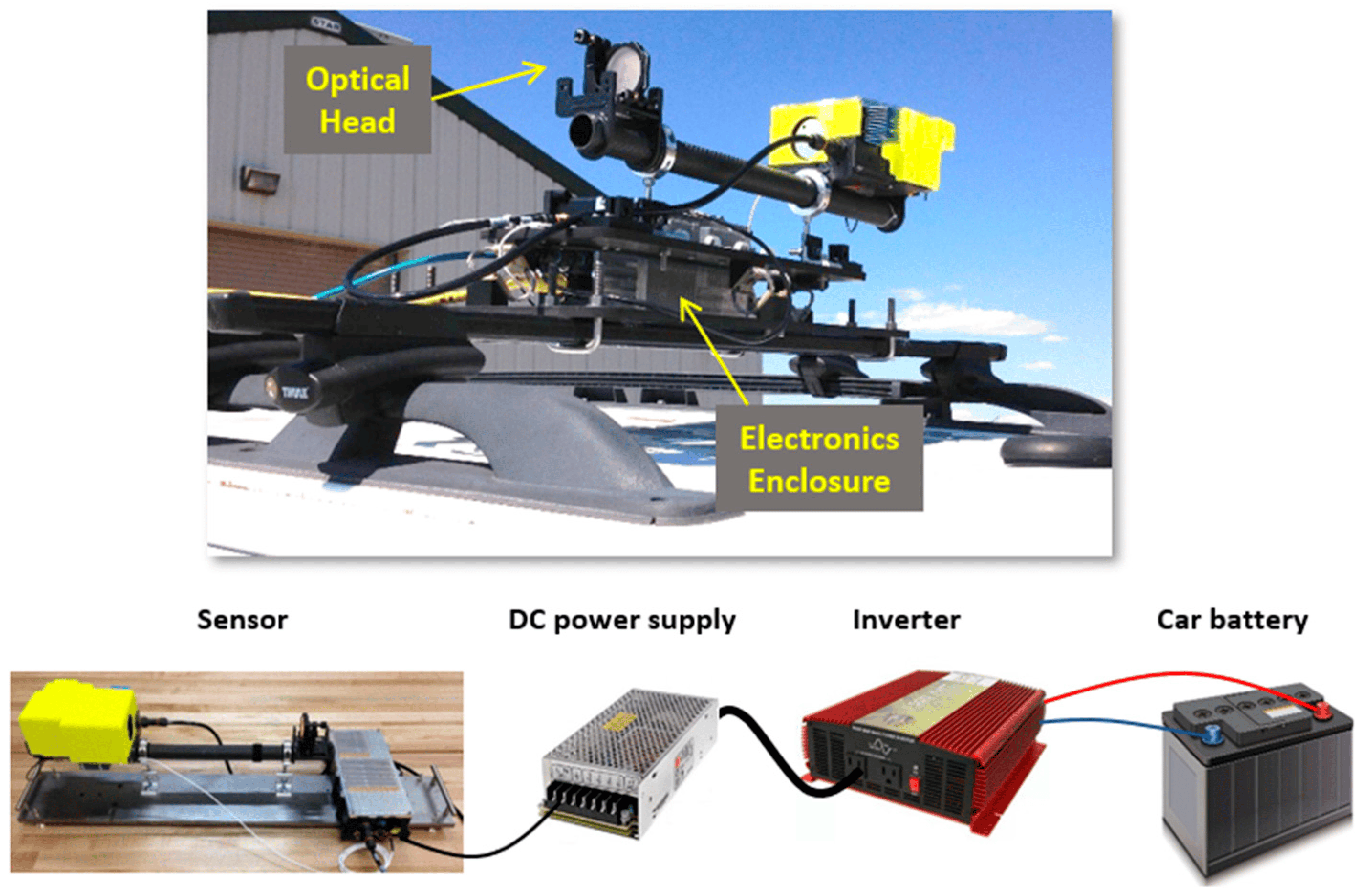
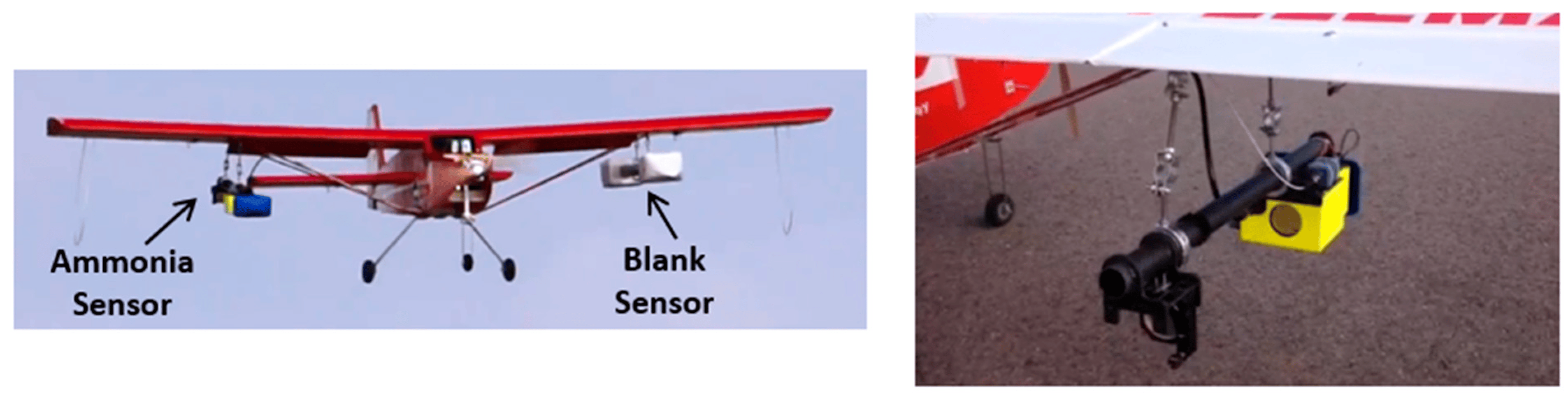
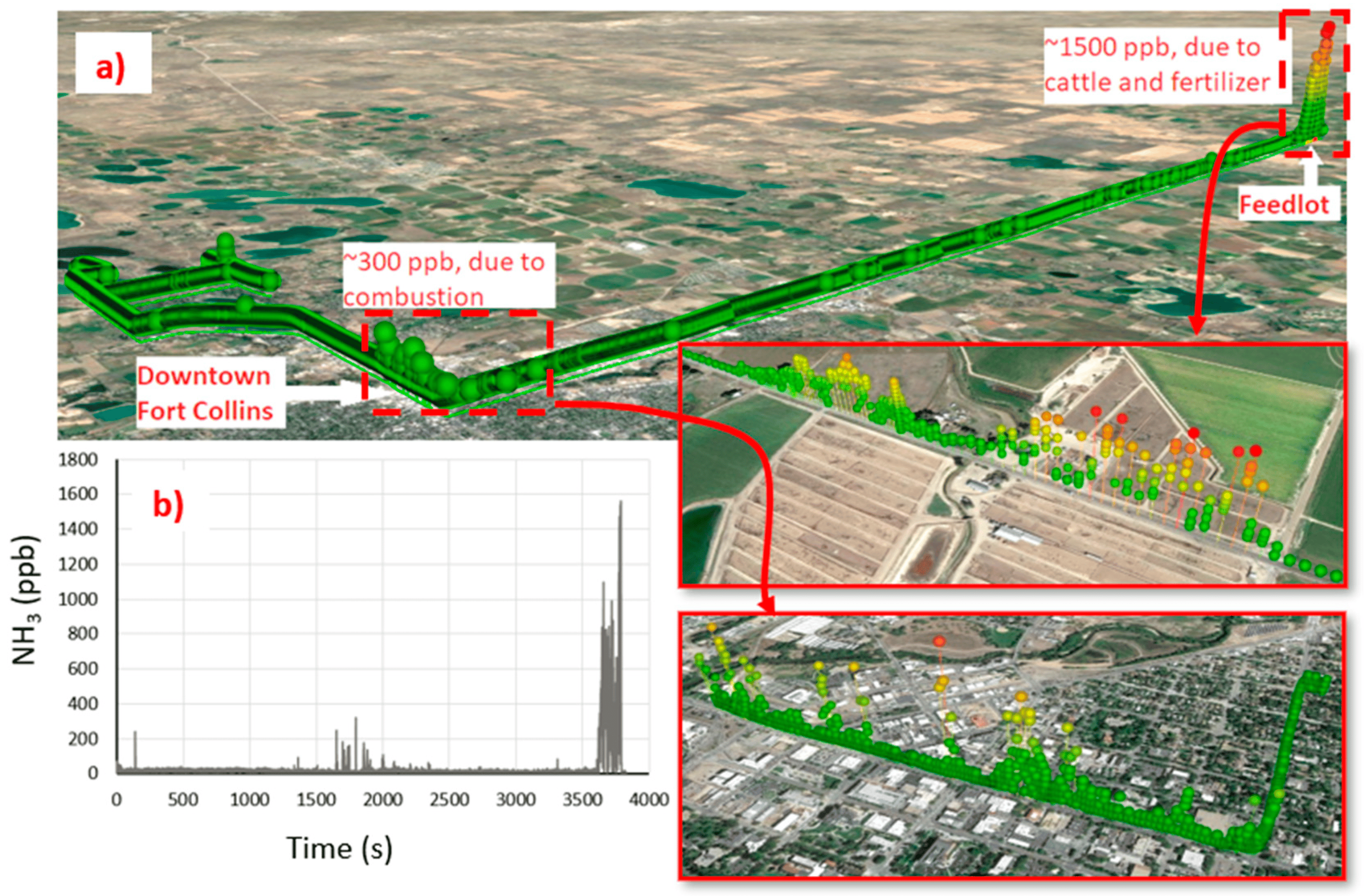
Anthropogenic emissions contribute to greenhouse gases and gases that are significant risks to human health and the environment. Among these emissions are nitrogen (N) compounds, which add to climate change and reduce the overall ecological quality of life. A majority of nitrogen emissions from human activity come from agricultural sites. Ammonia in the air is converted from over half of the nitrogen fed to cattle in feedlots and dairies. This is directly related to the increased ammonia concentrations around feeding areas which can be over 100 times larger than typical background concentrations. Atmospheric ammonia needs to be well quantified in these areas to better regulate and reduce nitrogen anthropogenic emissions.
Laser absorption spectroscopy requires high precision and accuracy, and researchers used high-performance electronics to drive the laser system for ammonia gas detection. Laser stability is critical for sensing low concentrations of harmful gases in the air. Wavelength Electronics’ low noise laser diode driver, the FL500, can precisely deliver up to 500 mA of current and a compliance voltage of up to ~11 V to the laser, a QCL in this study. Because laser power stability or any fluctuations of the laser affect the spectra data and linewidth of the QCL, the FL500 achieves current stability at ambient temperature of 50 – 75 ppm for 24 hours, ensuring accurate and reliable results with the QCL. The FL500 also has noise as low as 3 μA RMS at full scale with a bandwidth of up to 500 kHz for current modulation or wavelength scanning. The driver enabled easy and precise wavelength scanning through the modulation of the supplied current. The small and compact design of the FL500 allows operation in mobile deployment in ground and aerial vehicles for battery powered ammonia detection using WMS with a QCL.
The complete case study is available as CS-LD11.

Researchers from China have developed and demonstrated a simultaneous, multi-component gas detection system based on differential Helmholtz resonance spectroscopy with a mid-infrared, tunable, interband cascade laser (ICL). The first harmonic demodulation method was used under ambient pressure to detect three light carbon gases: CH4, C2H4, and C2H6. Using this photoacoustic system, the detection limits reached 98.8 ppb, 252 ppb, and 33 ppb for methane, ethylene, and ethane, respectively. Multi-wavelength linear regression was implemented to reduce the effects of cross-interference of the three gases, maintaining the accuracy of the gas concentration measurements.
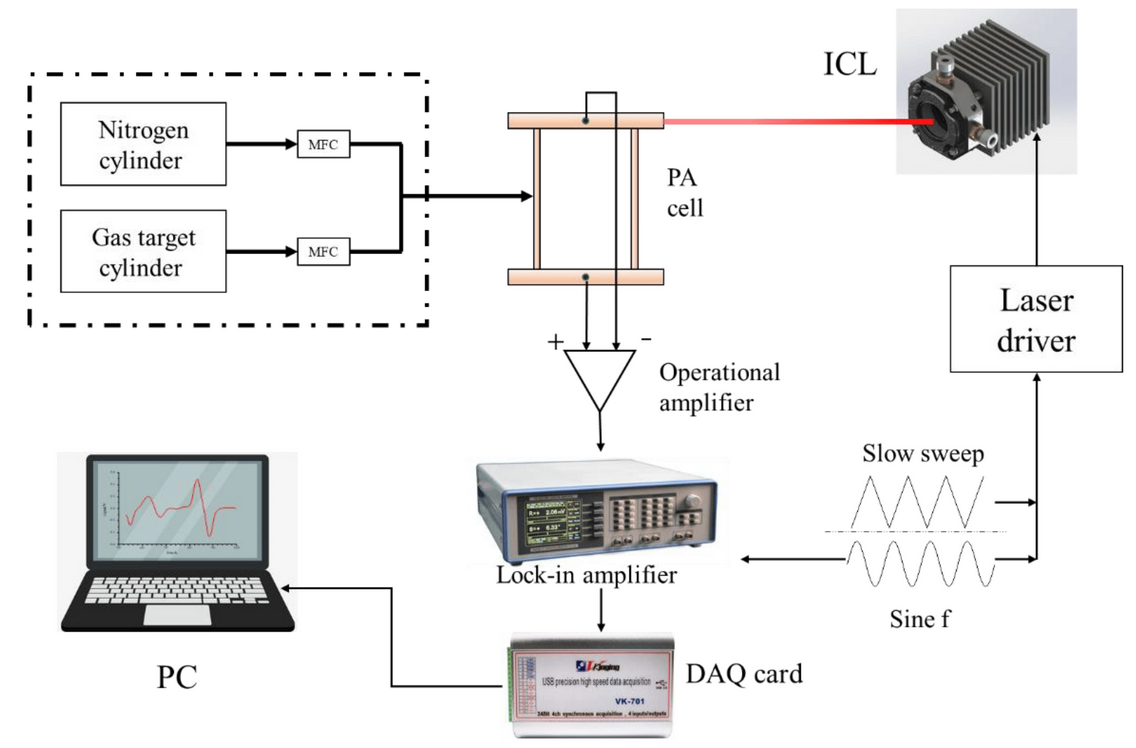
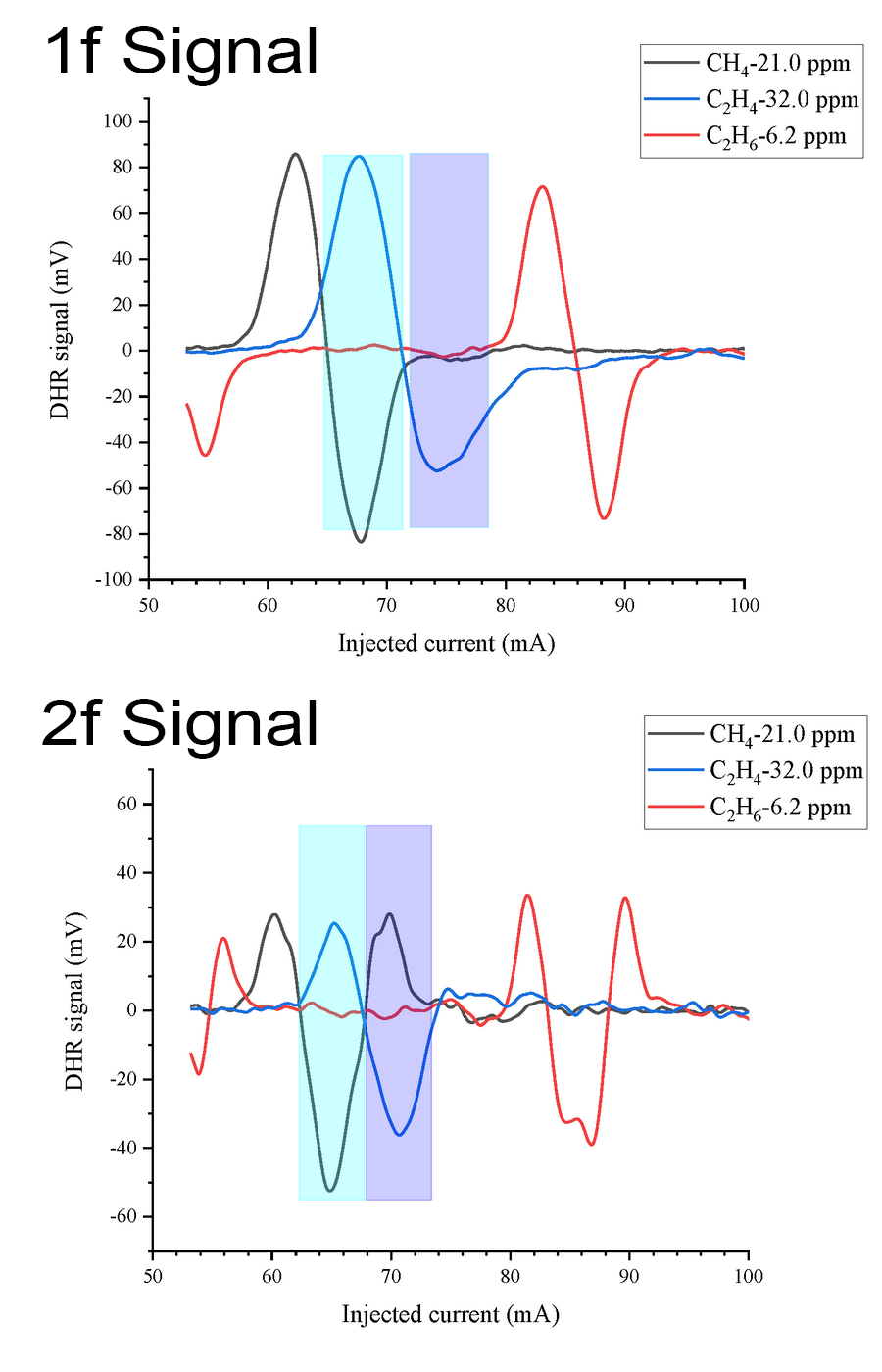
This new method, using an ICL with a Helmholtz resonator, provides a simple and fast multiple gas detection technique for atmospheric research, medicine, the food industry, pollutant monitoring, and the power industry. Researchers used Wavelength Electronics’ WTC3243 Temperature Controller to ensure ultra-stable temperature of the tunable ICL. Precise temperature control of the laser wavelength was crucial with the current ramp changing the laser wavelength only a few nanometers for the full absorption spectrum of the three gases. With a consistent and precise laser temperature, researchers can ensure an accurate and repeatable output from the laser. They also used the WTC3293 Evaluation Board to rapidly prototype their control system. These devices enabled quick integration of the laser control system with the Helmholtz resonance spectrometer for multi-component gas detection for environmental, atmospheric, or industrial applications.
The complete case study is available as CS-TC09.

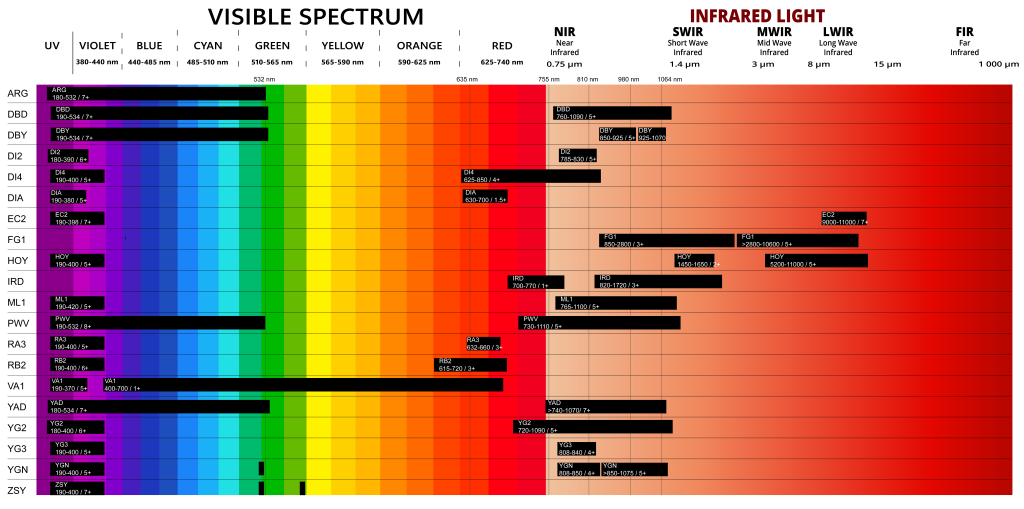
Wavelength Electronics is now offering Laser Safety Eyewear with uniquely engineered filters that help protect people against the dangerous effects of laser light. These glasses were designed by working directly with laser manufacturers to develop proprietary filters that meet all quality and industry standards.
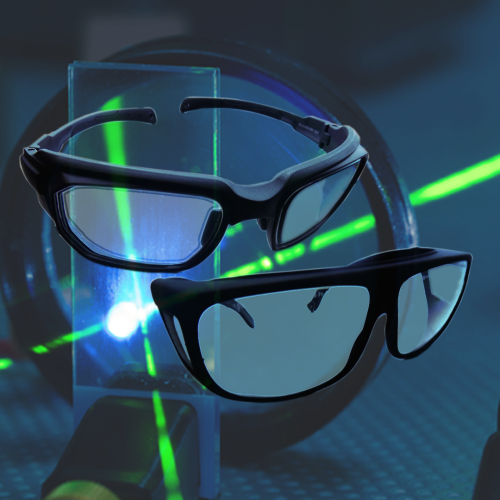
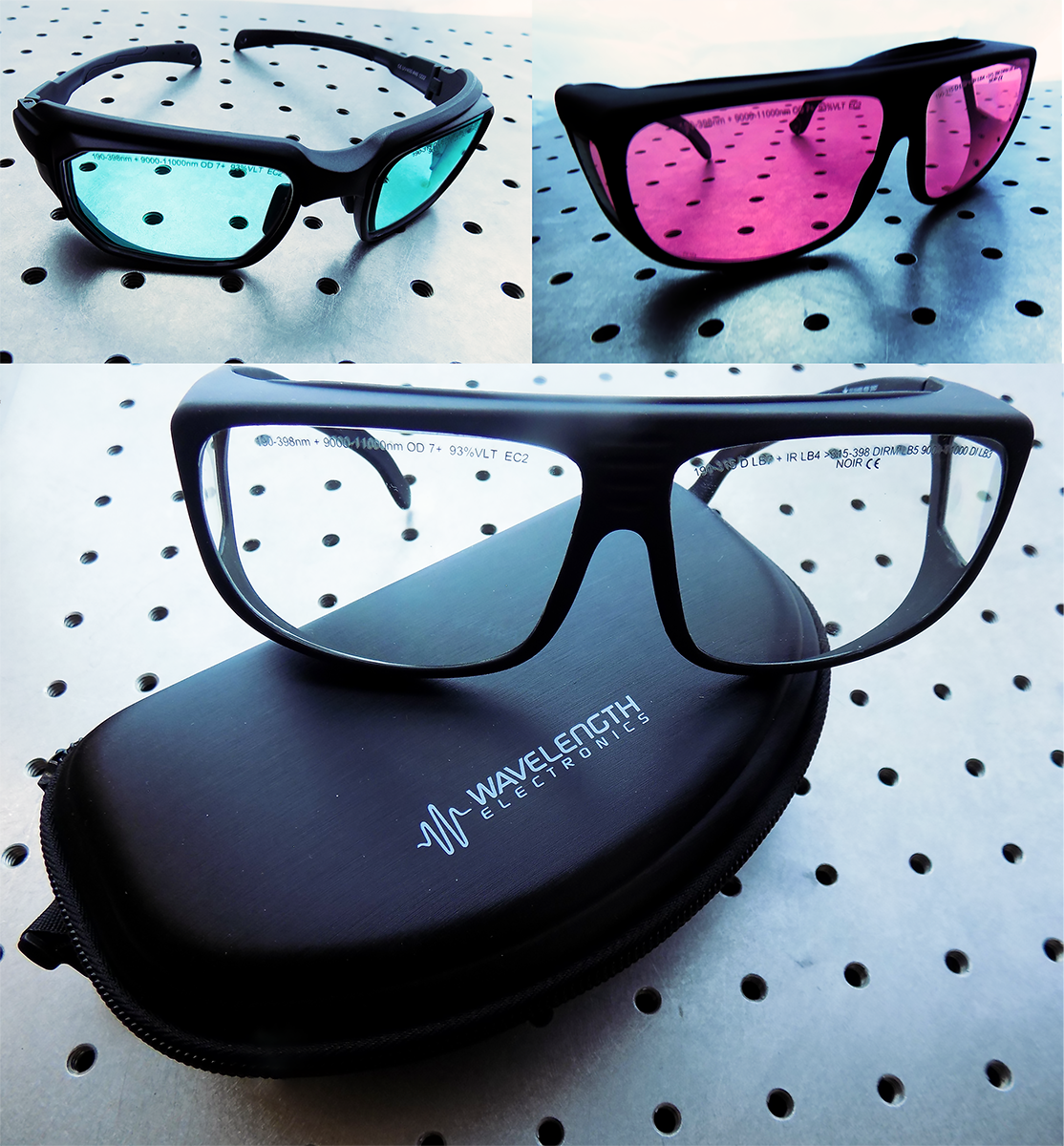
Reference this Filter Comparison to help select the appropriate filter for your wavelength.

Wavelength has been stabilizing laser diode wavelength, current, and power, and delivering low noise electronics systems for over three decades now.
Our customers are brilliant – researchers, system developers, entrepreneurs. They have visions for how they want to improve the world. We help them with the electronics subsystems, so they are free to explore and invent.
We build OEM laser diode drivers and temperature control components with benchtop instrument performance. We also offer touch screen instruments for researchers and low noise QCL drivers for narrow linewidths. We couple the off-the-shelf electronics with high reliability manufacturing so field returns are less than 0.1%.
Our equipment is often used in medical systems – surgical devices, medical and biological detectors, cancer therapy. Two case studies briefly highlight this.
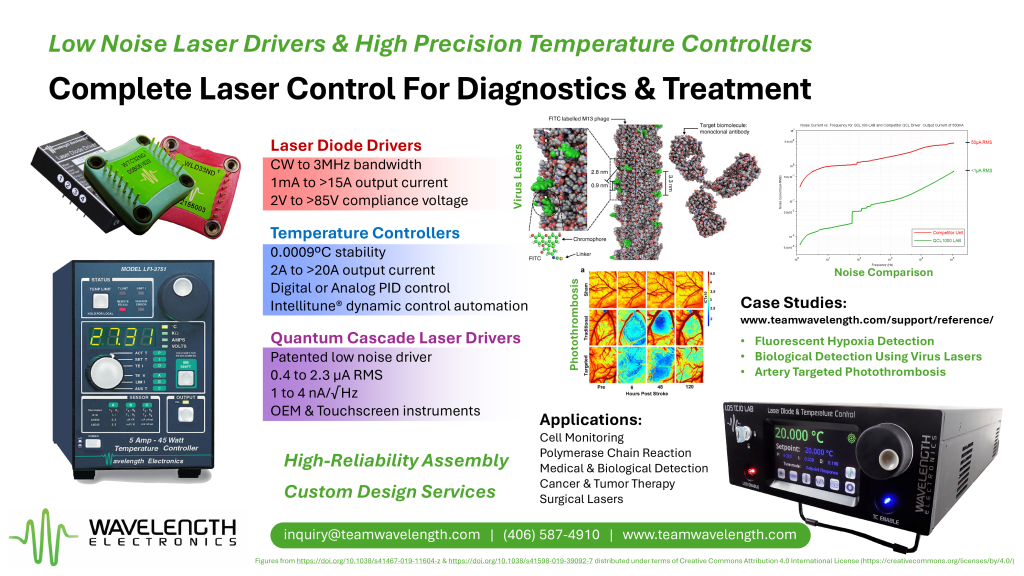
One case study uses fluorometry to identify tumor aggressiveness. Researchers from Spain used a fluorescent hypoxia biosensor for functional imaging of tumor cells to provide critical information about the size and location of tumors, as well as the micro-environment. Stable wavelength was critical, and they used our LFI Temperature Controller instrument to achieve that goal.
In the second case study, researchers in the UK created a bio-laser where a virus is introduced into the lasing cavity and used to detect the concentration of the viral load. They proved rapid biomolecular detection with the precision of commercial systems. Constant current, stable wavelength, and modulation were critical parts of the system. Wavelength’s WLD Laser Diode Driver was used in achieving these results.
We are committed to customer success. In addition to our off-the-shelf components and instruments, we’re offering custom engineering services to develop circuits that perfectly fit your system needs. If you use a laser diode, QCL, VCSEL, SLED, any semiconductor laser, and need low noise, stable wavelength, power, or current, let’s talk.
