NEW Application Note on Modulation Basics

NOW AVAILABLE AN-LD19:MODULATION BASICS

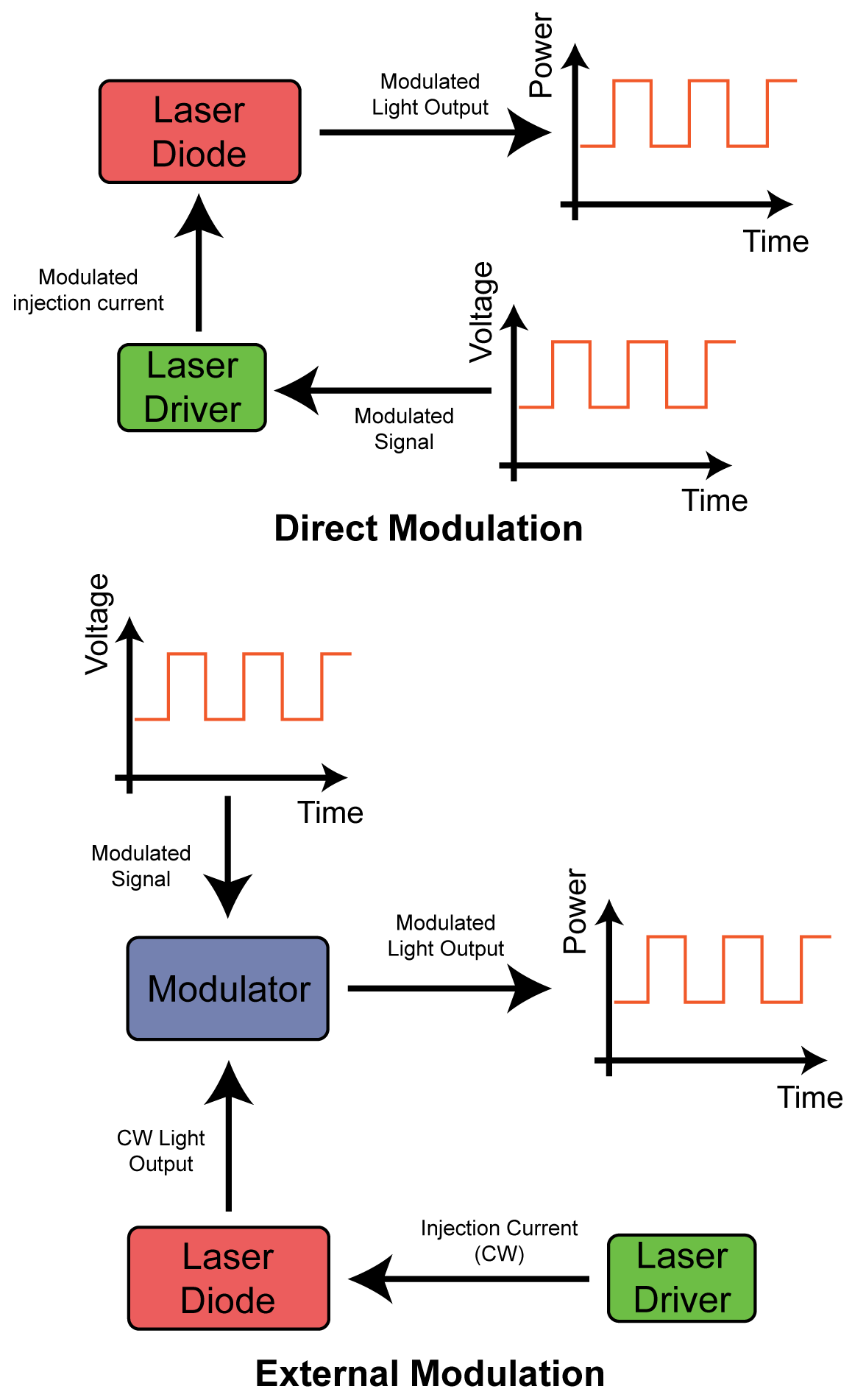
In laser modulation, the current or voltage varies with time to modulate the output signal from the laser.  This can be accomplished in two ways: by changing the signal input/driving current or by alternating the continuous wave output after the light is generated.  This Application Note discusses both methods and provides troubleshooting tips for each.

The complete Application Note is available as AN-LD19.

NEW Case Study on PCR Thermal Cycler with PI Temperature Controller

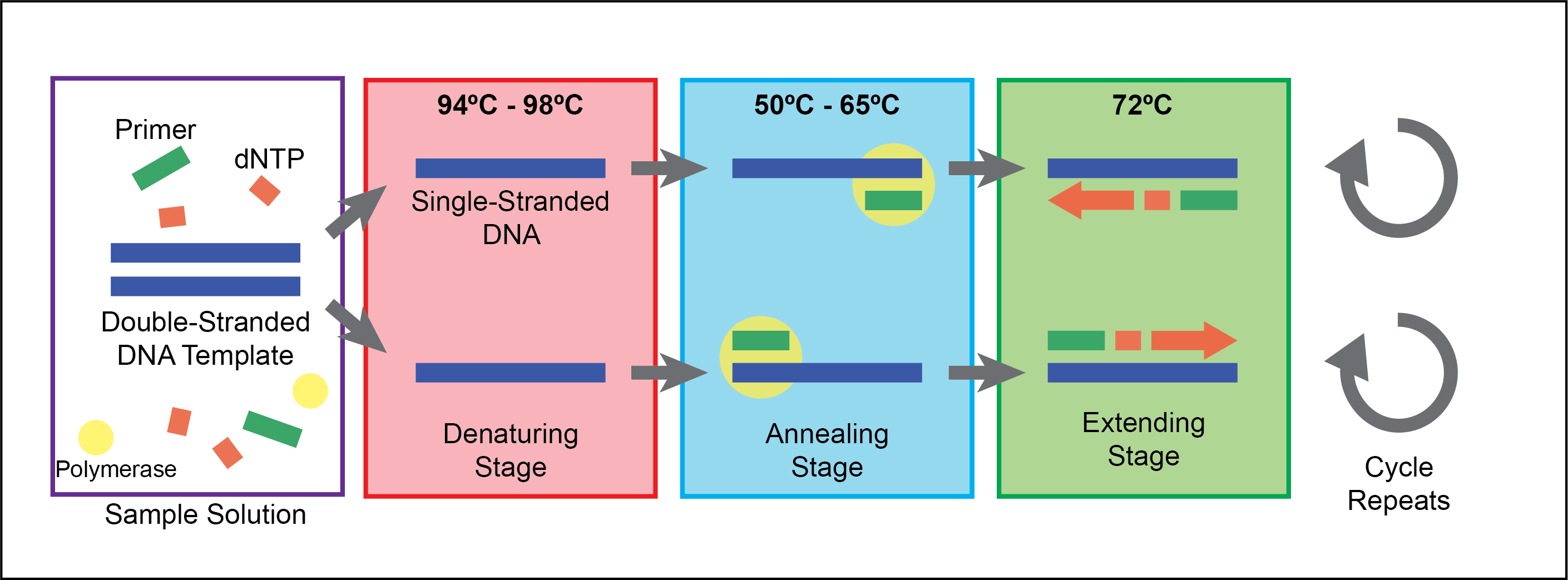
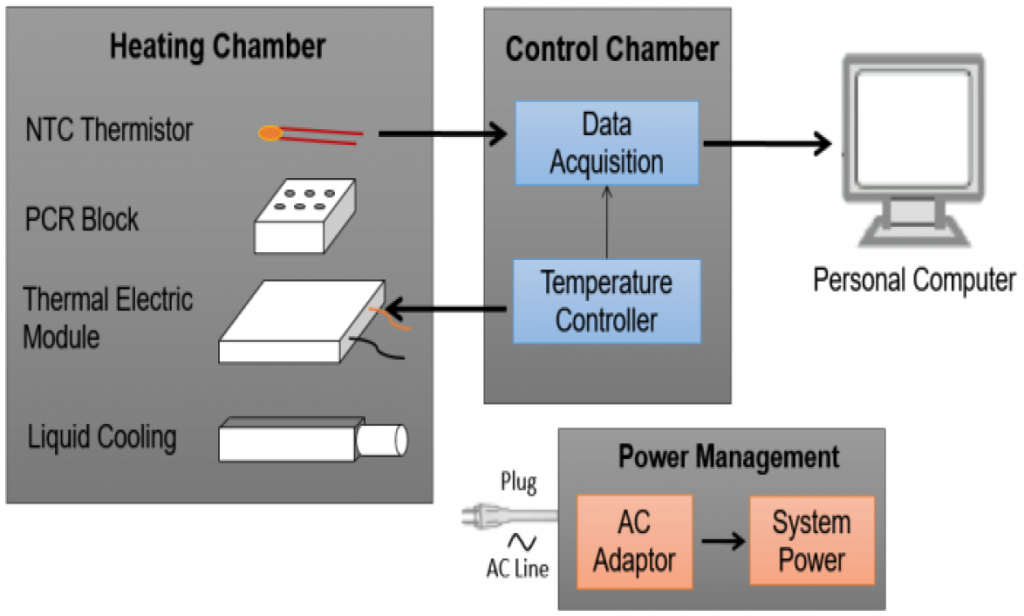
Researchers have developed a polymerase chain reaction (PCR) thermal cycler using a proportional-integral (PI) temperature controller. The precise temperature controller is needed for stable temperature control and rapid temperature changes in the PCR process. The portable and low-cost thermal cycler allows better opportunities for low-resource areas compared to the bulky and expensive commercial devices available. The developed system produces a temperature ramp rate of 5.5ºC/s at a proportional gain value of 15 A/V and an integral gain value of 1.8 A/V. 

Using gel electrophoresis to analyze the amplified DNA, the samples were validated at the expected molecular weight of 150 base pair. The PTC10K-CH temperature controller, as well as other commercial off-the-shelf products, reduce prototyping costs and maintain accurate and precise reactions.

The complete case study is available as CS-TC04.

NEW Case Study on Optical Interruption of Quantum Cascade Laser for Cavity Ring-Down Spectroscopy

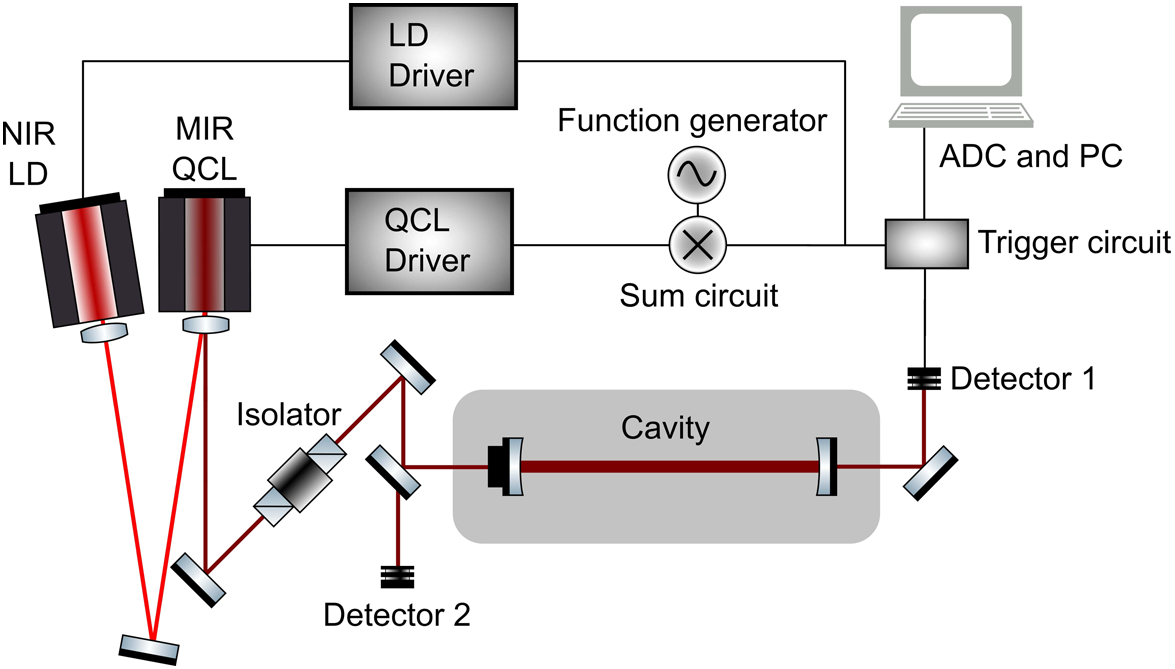
Researchers from VTT Technical Research Centre of Finland have developed optical interruption of a mid-infrared (MIR) quantum cascade laser (QCL) using a near-infrared (NIR) laser diode for cavity ring-down spectroscopy (CRDS). The QCL is modulated from the injection of the NIR laser diode, and this shifts the frequency of the signal in the cavity generating rapid interruption of the high-finesse cavity resonance.  Optical interruption reduces the high bandwidth requirements of the QCL driver as well as lowers cost and complexity of the system. The necessary precision control was provided by Wavelength Electronics’ LDD200 laser and QCL1000 drivers.

The complete case study is available as CS-LD03.

NEW Case Study on Room Temperature Terahertz Frequency Comb Using QCLs

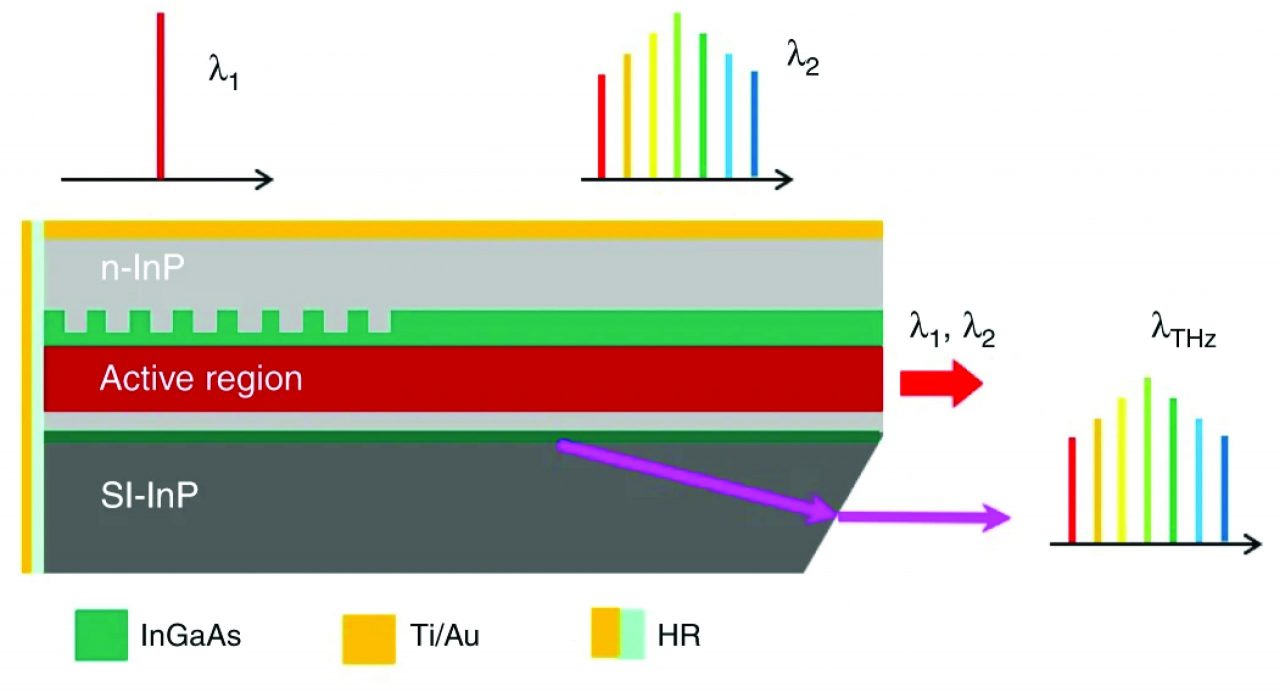
Researchers at Northwestern University, Illinois have designed a terahertz (THz) frequency comb using a Quantum Cascade Laser (QCL) with a Distributed Feedback (DFB) grating inside the cavity. The DFB grating addition allows for dual wavelength emission from the QCL. A single-mode state and a harmonic comb state combine inside the cavity for a THz frequency comb. Two uses of QCL frequency combs demonstrated by researchers at Harvard University are also discussed.

The QCL’s operation state is highly dependent on the injection current, and the QCLs must be properly and accurately driven with stable temperature control. QCL2000 LAB drivers provide the necessary stability. The PTC10K-CH temperature controller surpasses the required temperature stability of less than 10 mK. At Harvard University, both studies use the TC5 LAB to control the temperature of the QCLs with the same noise levels listed for the Northwestern University study.

The complete case study is available as CS-LDTC07.

NEW VIDEO: Power Supply Basics

NOW AVAILABLE ON YOUTUBE: POWER SUPPLY BASICS VIDEO

Power is the backbone of any electronic system and the power supply is what feeds it. Choosing the right supply can make the critical difference between optimum performance and inconsistent results. This video covers AC/DC fundamentals, a comparison of different power supply characteristics, important specifications for selecting a power supply, and answers some FAQs.

DISTRIBUTOR SPOTLIGHT: AMS Technologies

SPECIAL THANKS TO AMS TECHNOLOGIES, EUROPEAN DISTRIBUTOR FOR OVER 23 YEARS

AMS Technologies is our longest-term and most trusted Distributor.  They stock all our most popular products to provide fast delivery times. AMS is a key player in bringing Wavelength products to the European continent. Their highly technical team provides the best product support for both OEM designs and bench top applications.

We have a fantastic working relationship and look forward to many more years! Thank you from the Wavelength Electronics Team! For further information please visit www.amstechnologies.com.

AMS Technologies is Europe’s leading solution provider and distributor for Optical, Power and Thermal Management Technologies. From a network of local offices in Germany, the UK, France, Italy, Spain, Poland and Sweden, AMS Technologies supports customers with solutions that allow them to take a prime position in a variety of high-tech markets.

Wavelength Electronics’ drivers and controllers ideally complement AMS Technologies’ portfolio of laser diodes, laser systems, thermoelectric and resistive thermal management components as well as the turnkey solutions AMS Technologies is designing and manufacturing to meet the company’s customers’ demanding specifications.

NEW Case Study on Single-Mode, Narrow Band Photon Source Using SPDC for Hybrid Quantum Systems

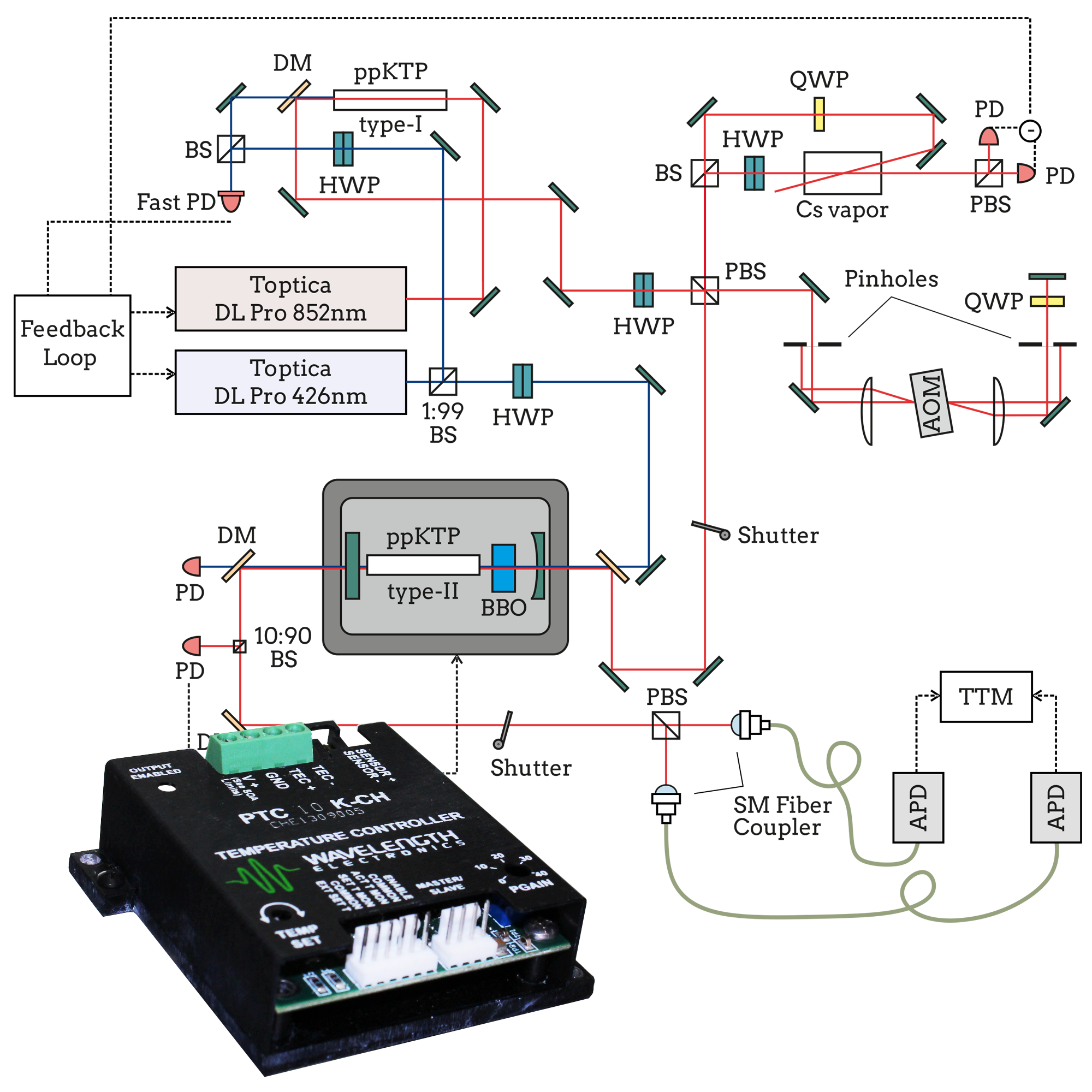
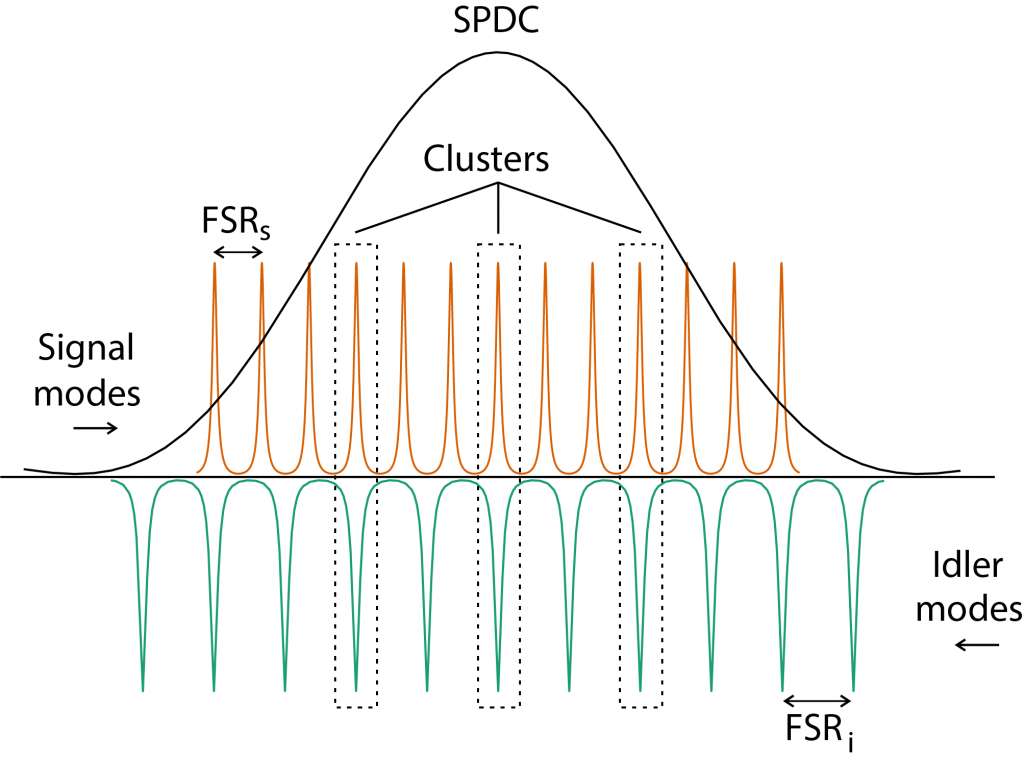
Researchers at the University of Vienna have designed a photon source using Spontaneous Parametric Down-Conversion (SPDC) with a doubly resonant Optical Parametric Oscillator (OPO) utilizing an additional birefringent crystal to tune clusters independent of SPDC phase-matching. Achieving the doubly resonant condition in the OPO that enables a single mode is challenging. This photon source has a bandwidth of 10.9 MHz to match the linewidths of atomic transitions. The source also produces single-mode photon pairs at a rate of 47.5 Hz without mode filters reducing loss in the system, which enables research and applications in the quantum realm using hybrid light-matter interactions.

The Optical Parametric Oscillator (OPO) is highly dependent on the temperature of the crystal, which can alter the index of refraction and change the wavelength of the light or change length due to temperature, causing a shift in efficiency and cluster tuning capabilities. Temperature regulation of both crystals in the OPO cavity is essential. The PTC5K-CH controlled the temperature of the crystals in the OPO cavity with precision better than 2 mK, generating the necessary crystal stability.

The complete case study is available as CS-TC03.

Complete Laser & Temperature Control

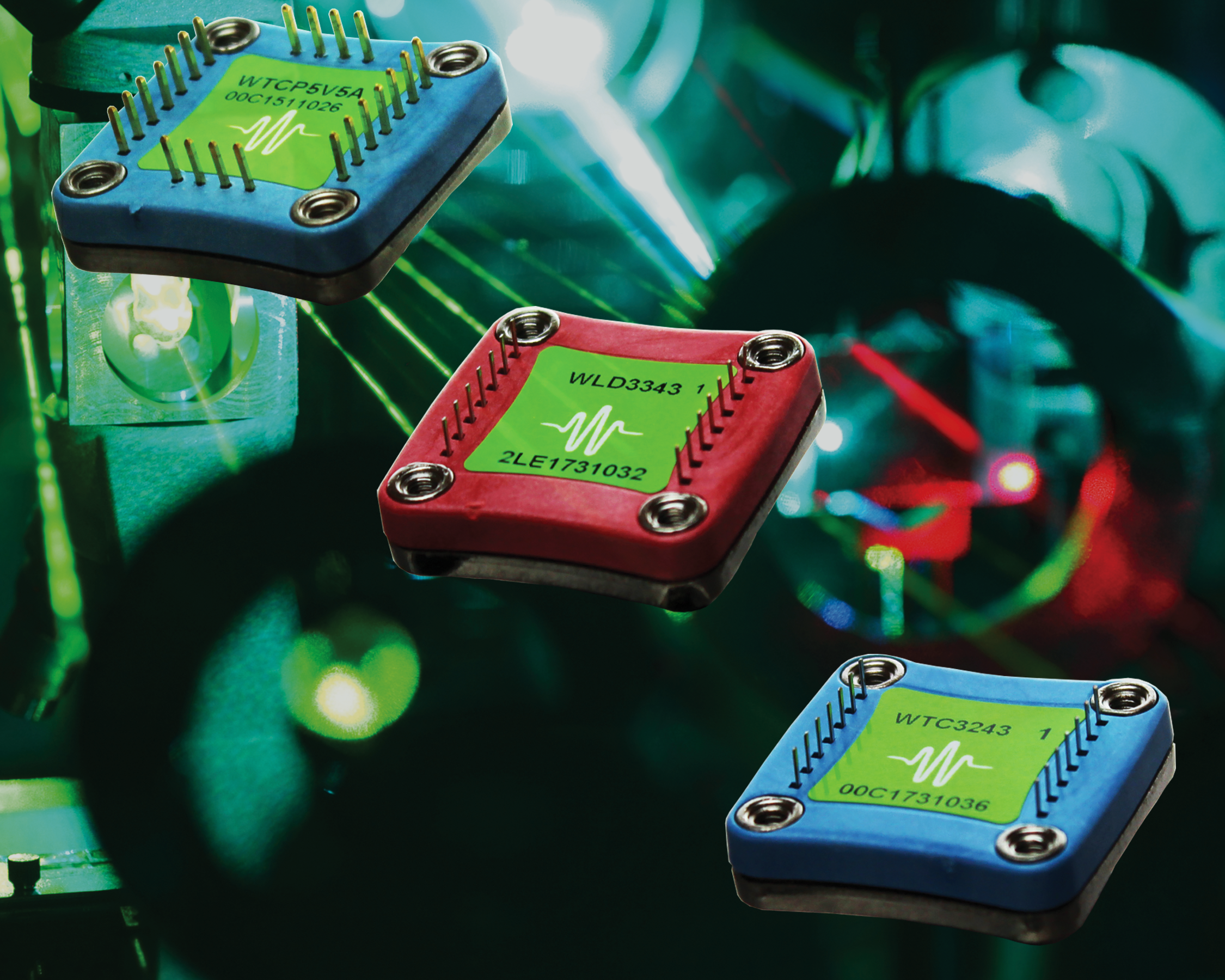
Pair the WLD3343 Laser Diode Driver with either a WTC3243 or WTCP-5A5V Temperature Controller when precision laser diode current and temperature control are required. The WLD3343’s and the WTC3243’s are Li+ battery-compatible. These drivers are widely used in electro-optic qualification, Raman spectroscopy, medical diagnostic equipment, range finders, eye-safe atmospheric lidar and on research benches. System safety is paramount with Wavelength drivers.

WLD3343 LASER DRIVER SPECIFICATIONS

  • Up to 3A CW laser diode current
  • Slow Start Protection, Delay/Current Ramp: 240/10 msec.
  • TTL Compatible Shutdown Pin
  • Adjustable Laser Diode Current Limit
  • Over-temperature output shutdown
  • Constant Current or Constant Power Mode
  • Voltage Controlled Setpoint, Supply Range: +5 to +12 V
  • Bandwidth 2 MHz (CC, sine wave)
  • Current Stability at 25°C: 200 ppm
  • Rise/Fall time: 460/320 nsec

WTC3243 TEMPERATURE CONTROLLER SPECS

  • Ultrastable PI control
  • Drive ±2.2A of TEC or RH current
  • Linear Stability: 0.0009°C
  • Small 14-Pin DIP package: 1.3″ x 1.28″ x 0.313″
  • Heat and cool current limits
  • Supports Thermistors, RTDs, IC sensors
  • Single supply operation: +5 V to +30 V
  • Adjustable sensor bias current
  • Monitor Actual Temperature

WTCP-5A5V TEMPERATURE CONTROLLER SPECS

  • Drive up to ±5.0 A to Thermoelectric
  • Efficient Pulse-Width Modulation
  • Efficiency: 85-95%
  • Single 5 VDC supply operation
  • Small 22-Pin PCB-mount package: 1.3″ x 1.28″ x 0.31″
  • Short term stability of 0.001°C
  • Compatible with thermistors
  • Adjustable current and voltage limits
  • Maximum Power Dissipation: 22.5W
  • Evaluation board and pre-loaded OEM board available

For more information on the individuals modules, click the links below:

NEW Case Study on Differential Absorption LiDAR for NASA Ozone Mapping

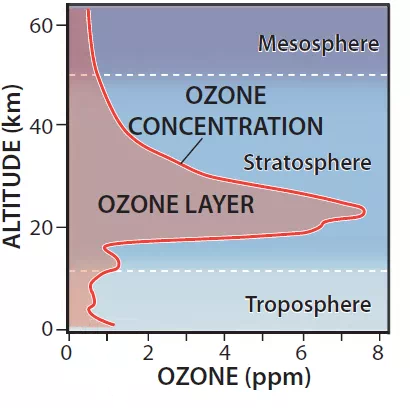
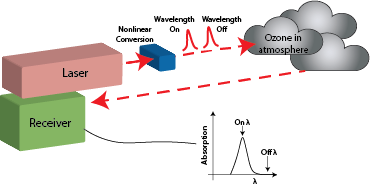
Knowing how much and where ozone is in our atmosphere is important to daily life on Earth. Ozone present in the stratosphere is critical to protecting life from harmful radiation, but ozone in the troposphere is detrimental. NASA has created a network specifically tasked with measuring and mapping the ozone in the troposphere. This will allow researchers to analyze potential dangers with ozone levels and propose solutions to these problems.

Bridger Photonics has developed a Differential Absorption LiDAR (DIAL) system for a NASA LiDAR network to measure ozone concentrations in the troposhpere in a compact, easy-to-use, high power output with low power consumption, fast repetition rate, commercially available device.

The PTC10K-CH provides stable thermoelectric current to control the temperature of the laser diode arrays and the nonlinear crystal. This controller delivered the precision performance and long-term reliability Bridger Photonics required.

The LD15CHA delivers up to 15 A of output current to the laser diode arrays which pump the solid state laser. Because Bridger Photonics operates the driver near limit, it is important that the output current never exceed the setpoint. The LD15CHA can be configured (setpoint and limit) without output current enabled.

Read the full Case Study here.

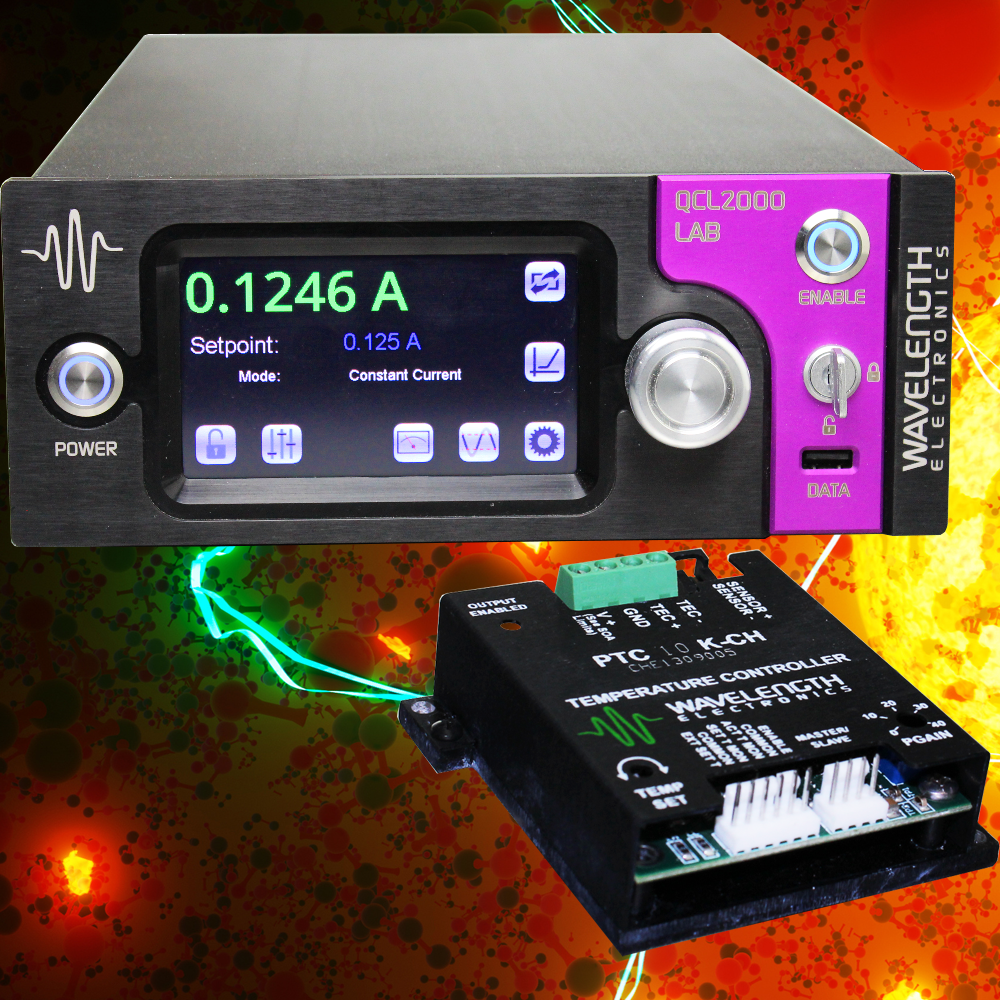
Limited Time Offer – Free PTC10K-CH with any QCL LAB Purchase

MAXIMIZE YEAR-END CAPITAL EQUIPMENT DOLLARS

For a limited time, when you buy any industry-leading, low noise QCL LAB Instrument, receive a PTC10K-CH Precision Temperature Controller for free. 

The patented technology of the QCL LAB quantum cascade laser driver reduces jitter, minimizes noise for narrow linewidth and delivers exceptional current stability for repeatable scans. 

The mK temperature stability of the PTC controller supports highly stable wavelength output.

QCL LAB FEATURES INCLUDE:

  • Output currents of 500 mA, 1 A, 1.5 A, 2 A
  • Low noise: <0.4 μA RMS up to 100 kHz (QCL500, typical)
  • Compliance voltage is adjustable, 10 to 20 V
  • Analog modulation up to 2-3 MHz
  • Constant Current Mode operation
  • Touchscreen with intuitive user interface
  • CE compliant, compatible with CDRH laser regulations
  • Feature-rich for research projects
    • USB and Ethernet interfaces with software included
    • Auto voltage/current scan function
    • Data collection using a computer or USB flash drive
    • Field upgradeable firmware
    • Sophisticated error handling
    • Save and recall functions for specific set ups
  • Rack mountable: 2 U height and ½ rack width
  • Safety features protect your QCL investment
    • Adjustable soft-clamp current limit, with Brick-Wall Never-Exceed circuitry
    • Password protection available to lock out a selectable control set
    • Keyswitch, active, and passive interlocks
    • Brown-out & overvoltage protection
    • Power supply overcurrent protection
    • Driver over-temperature protection circuit
    • Relay shorts output when current is disabled
    • AC input and patented power supply filtering
    • 2 second turn-on delay — adjustable
    • 1.5 msec current ramp

PTC10K-CH FEATURES INCLUDE:

  • Drives up to ±2.5, ±5.0, or ±10.0 A of linear bipolar TEC or heater current
  • With a booster unit, drives up to ±20.0 A
  • Single supply operation: 5 to 30 VDC
  • Small package: 3.0” x 3.2” x 1.1”
  • Use a wide variety of temperature sensors
  • Remote Output and Setpoint controls
  • Short term stability: 0.0012°C
  • Long term stability: 0.002°C
  • Selectable sensor bias current
  • Adjustable current limit
  • Failsafe Setpoint default in case of remote temperature setpoint signal error