
The effects of exceptional point (EP) singularities can naturally be seen in many applications in physical problems: mechanics, electromagnetism, atomic and molecular physics, quantum phase transitions, quantum chaos, and much more. Researchers from Switzerland have developed a more practical and robust method for studying these effects. As lasers provide an ideal system for direct observation and engineering of spectral singularities, two dual section distributed feedback (DFB) quantum cascade lasers (QCLs) were designed with Fabry-Perot modes and quarter wave shifted (QWS) DFB modes.
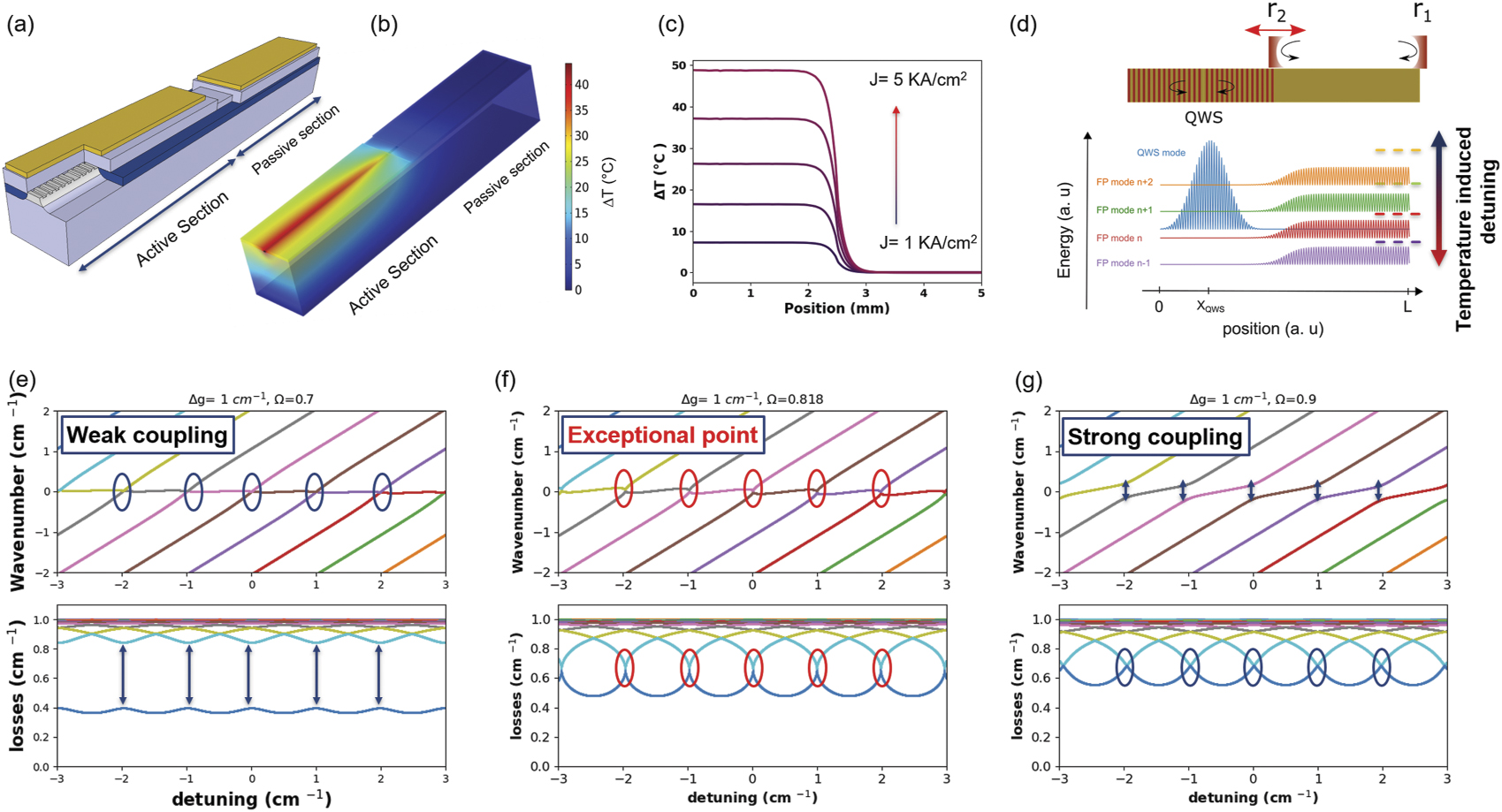
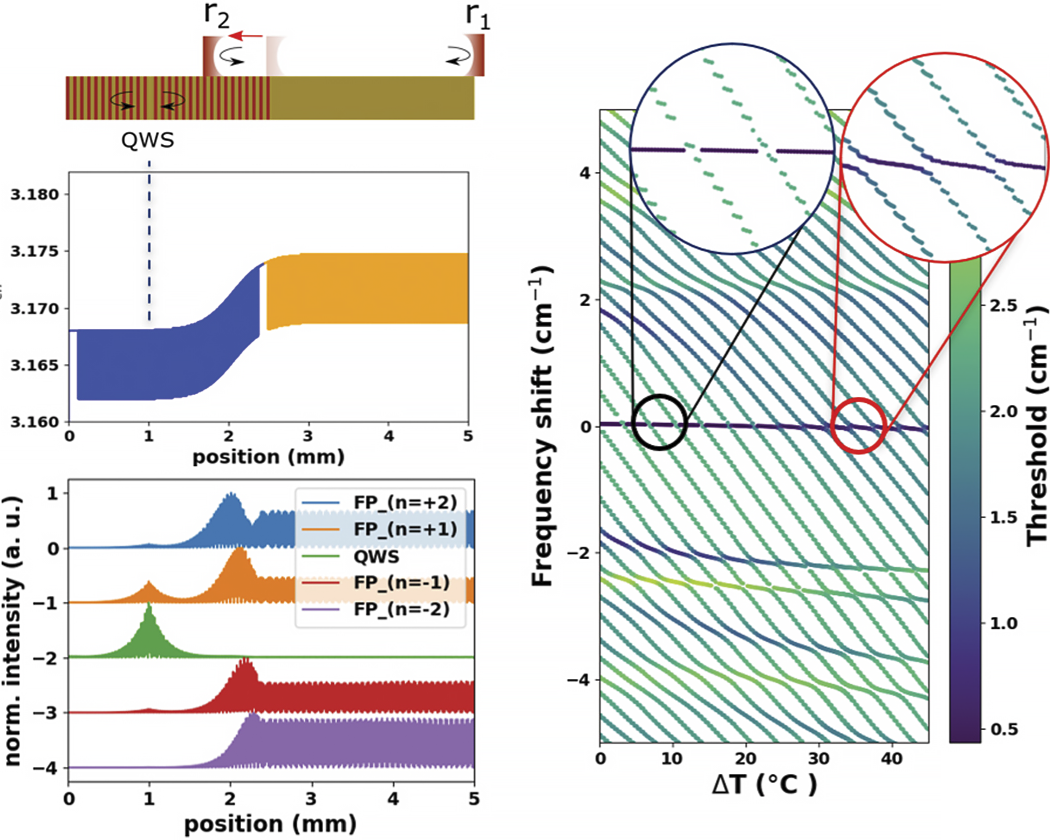
Because the EP degeneracy is lifted at only a certain applied current, ultra-low noise laser drivers were needed. Wavelength Electronics’ driver limits noise produced to as low as 1.3 μA RMS up to 100 kHz and an average current noise density of 4 nA/√Hz. With an output of up to 2 A and stability around 10 ppm long-term, the QCL2000 provided the stability and flexibility needed. This stability allowed researchers to discover the precise applied current at which the EP degeneracy was lifted.
The complete case study is available as CS-LD06.