NEW Case Study: Real-time Chlorophyll Fluorescence Enabling Higher Quality Palm Oil During Production

Researchers have developed and validated a novel approach for real-time, non-invasive monitoring of palm oil quality during the milling process using chlorophyll fluorescence spectroscopy. This method leverages chlorophyll’s photo-response properties to directly probe palm oil quality without disrupting the production line. The technique integrates a sensor that detects changes in chlorophyll’s fluorescence, providing immediate feedback on key quality parameters such as fruit freshness and maturity. The results show a high correlation coefficient of 0.88 between the chlorophyll-based measurements and American Oil Chemists’ Society measurements, indicating accurate and reliable real-time monitoring. This fluorescence technique provides a significant improvement in quality control, offering a non-invasive and more efficient way to monitor palm oil quality throughout production.

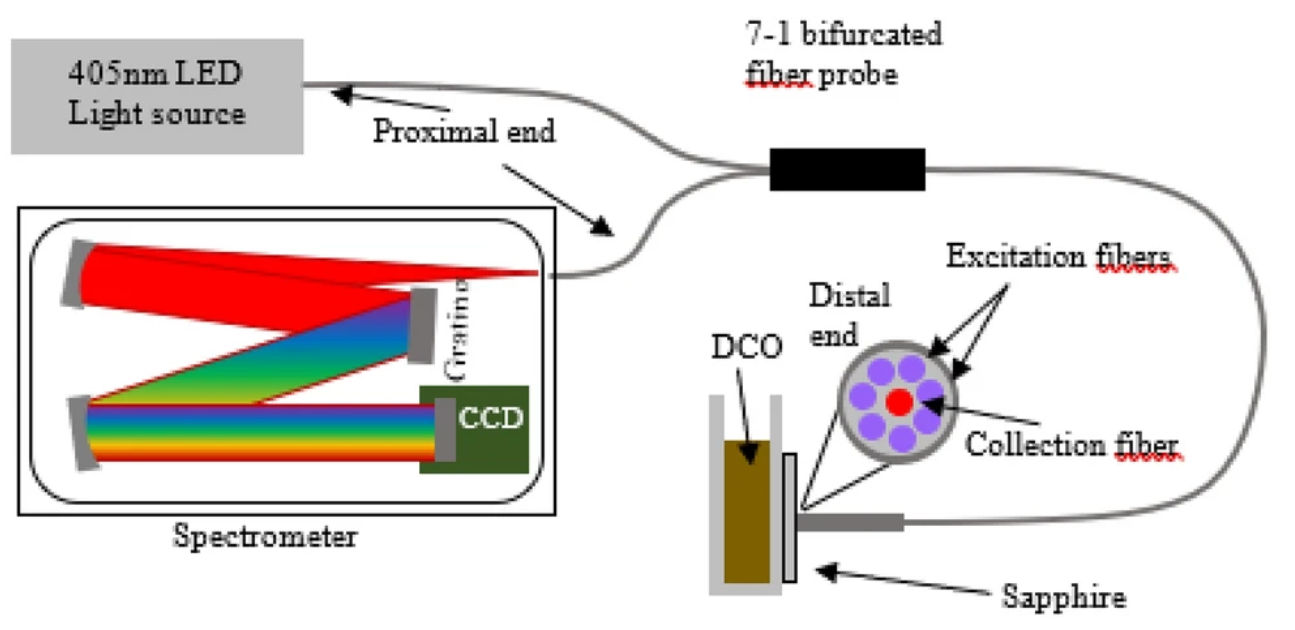
In the development of the chlorophyll detection system for palm oil quality monitoring, Wavelength Electronics provided critical components that ensured the stability and accuracy of the system’s optical measurements. The precise control of light emission and constant current was essential for detecting chlorophyll photo-response effectively.

Researchers utilized the WLD33ND Laser Driver from Wavelength Electronics to manage the drive current of the LED light source.  Its compact size, current stability, and as low as zero leakage current were crucial for maintaining stable and consistent light emission, which is vital for accurate chlorophyll measurements. As LEDs are very sensitive to drive current and voltage fluctuations, the WLD33ND driver reduces variation in supplying power to the LED light source.

Additionally, the WLD33ND-2AEV Evaluation Board for the WLD33ND Driver facilitated rapid prototyping and integration of the LED and its driver into the oil monitoring system. This streamlined integration was important for optimizing the LED modulation parameters and ensuring reliable performance during real-time monitoring.

Wavelength Electronics’ components played a pivotal role in achieving the necessary precision and stability for the inline sensing system, demonstrating the importance of fully-featured controllers, engineering expertise, and responsive tech support for high-tech researchers and manufacturers in a wide variety of applications.

The complete case study is available as CS-LD12.

NEW Case Study: Laser Absorption of Atmospheric Ammonia for Mobile Measurements

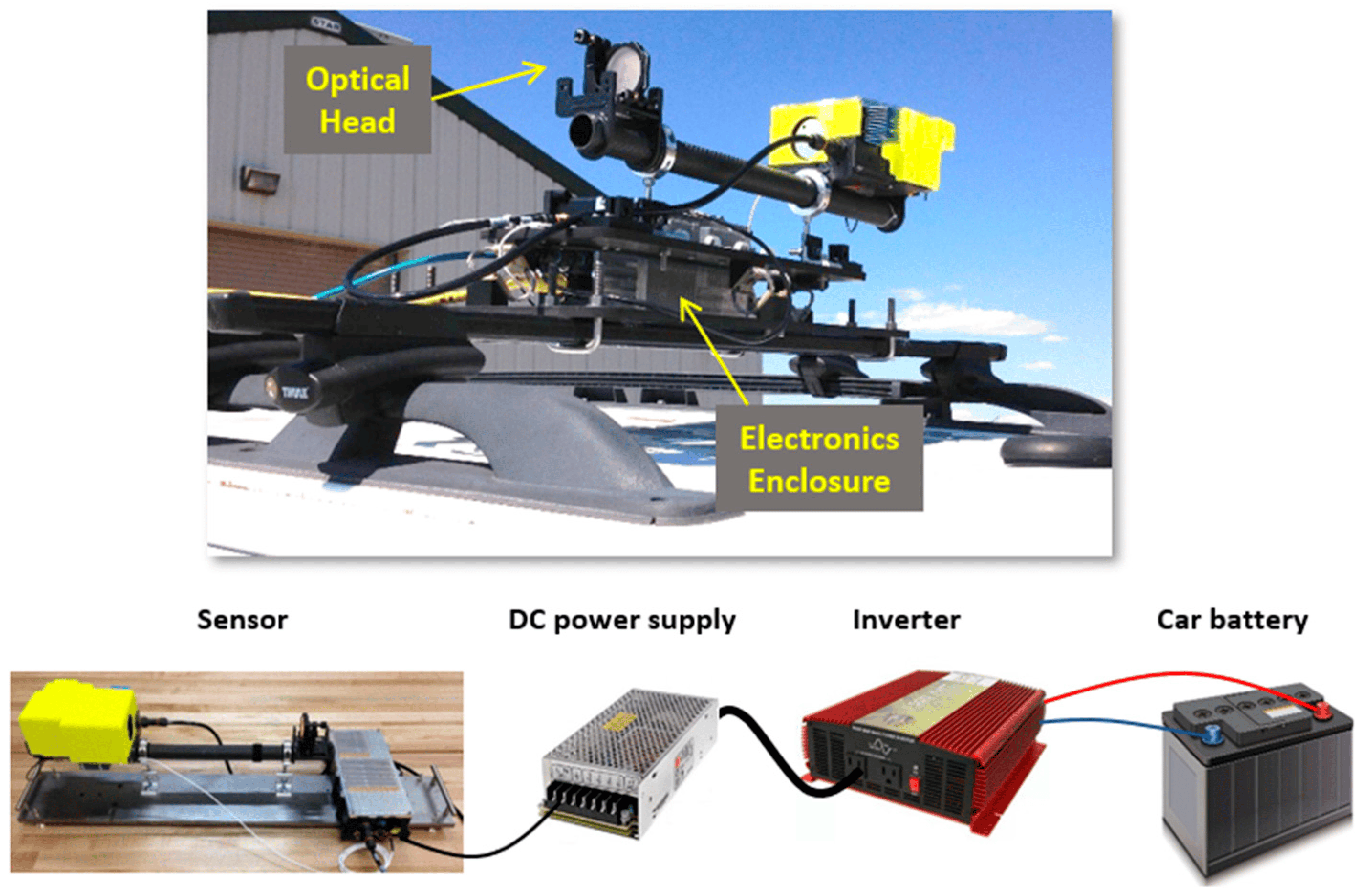
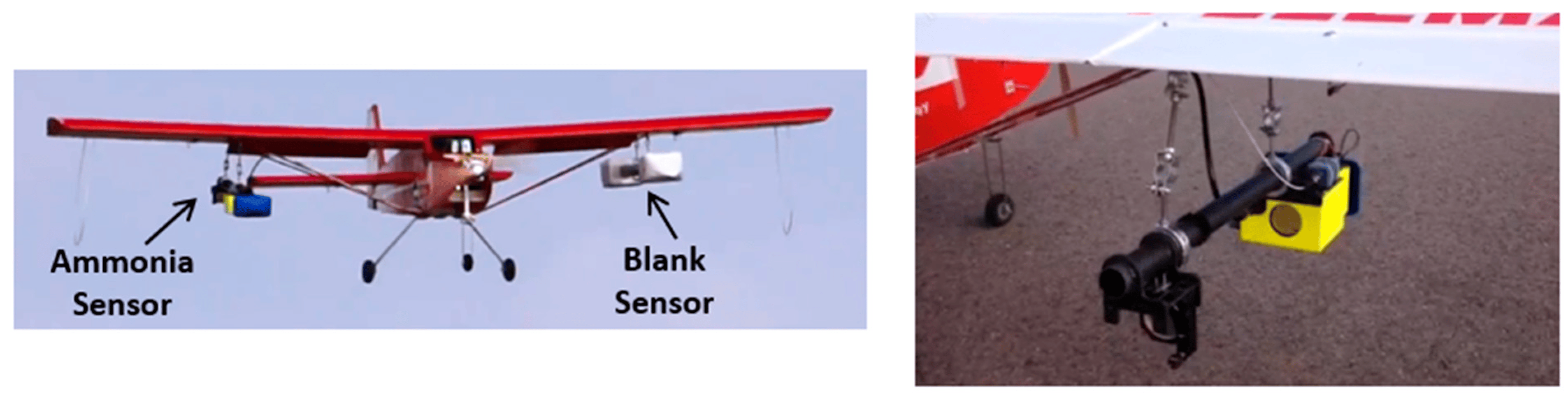
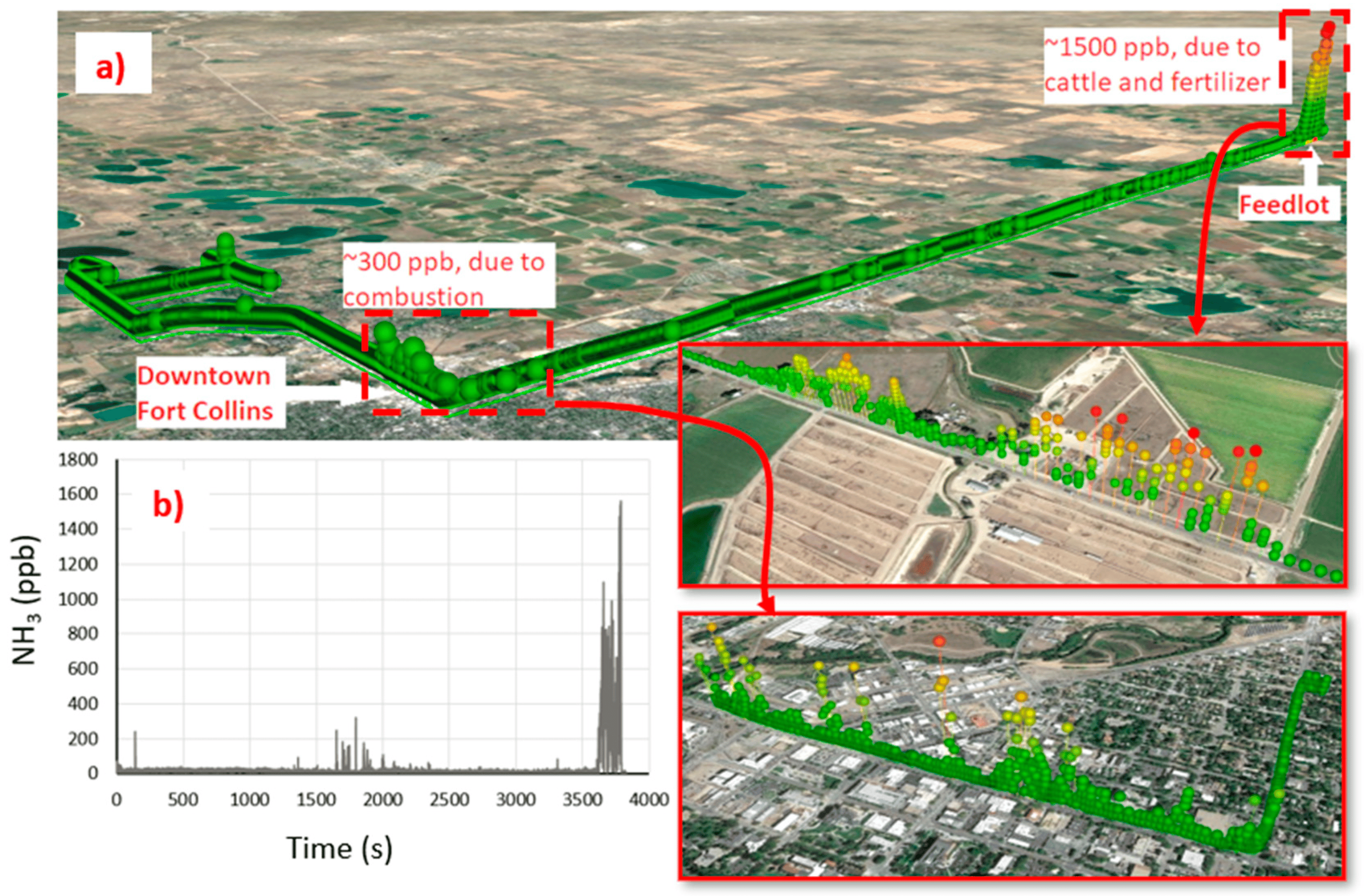
Researchers from Colorado State University and Surprise, AZ have developed an ammonia sensor based on wavelength modulation spectroscopy (WMS) utilizing a quantum cascade laser (QCL) at 10.33 μm for mobile applications. The ammonia sensor was deployed on a ground vehicle for ammonia concentration measurements in a city for automobile combustion and on a fixed-wing plane for measurements in air for feedlot ammonia emissions. This compact (~20 L), lightweight (~3.5 kg), and battery-powered (<30 W) design operates autonomously to achieve a sensor accuracy of <~2% and precision of ~4 ppb in 1 s.  This mobile sensing approach provides a scalable solution for detecting and quantifying anthropogenic emissions of ammonia in the atmosphere in industrial and agricultural settings.

Anthropogenic emissions contribute to greenhouse gases and gases that are significant risks to human health and the environment. Among these emissions are nitrogen (N) compounds, which add to climate change and reduce the overall ecological quality of life. A majority of nitrogen emissions from human activity come from agricultural sites. Ammonia in the air is converted from over half of the nitrogen fed to cattle in feedlots and dairies. This is directly related to the increased ammonia concentrations around feeding areas which can be over 100 times larger than typical background concentrations. Atmospheric ammonia needs to be well quantified in these areas to better regulate and reduce nitrogen anthropogenic emissions.

Laser absorption spectroscopy requires high precision and accuracy, and researchers used high-performance electronics to drive the laser system for ammonia gas detection. Laser stability is critical for sensing low concentrations of harmful gases in the air. Wavelength Electronics’ low noise laser diode driver, the FL500, can precisely deliver up to 500 mA of current and a compliance voltage of up to ~11 V to the laser, a QCL in this study. Because laser power stability or any fluctuations of the laser affect the spectra data and linewidth of the QCL, the FL500 achieves current stability at ambient temperature of 50 – 75 ppm for 24 hours, ensuring accurate and reliable results with the QCL.  The FL500 also has noise as low as 3 μA RMS at full scale with a bandwidth of up to 500 kHz for current modulation or wavelength scanning. The driver enabled easy and precise wavelength scanning through the modulation of the supplied current. The small and compact design of the FL500 allows operation in mobile deployment in ground and aerial vehicles for battery powered ammonia detection using WMS with a QCL.

The complete case study is available as CS-LD11.

NEW Case Study: Simultaneous Multi-Gas Detection Using ICL Photoacoustic Spectroscopy

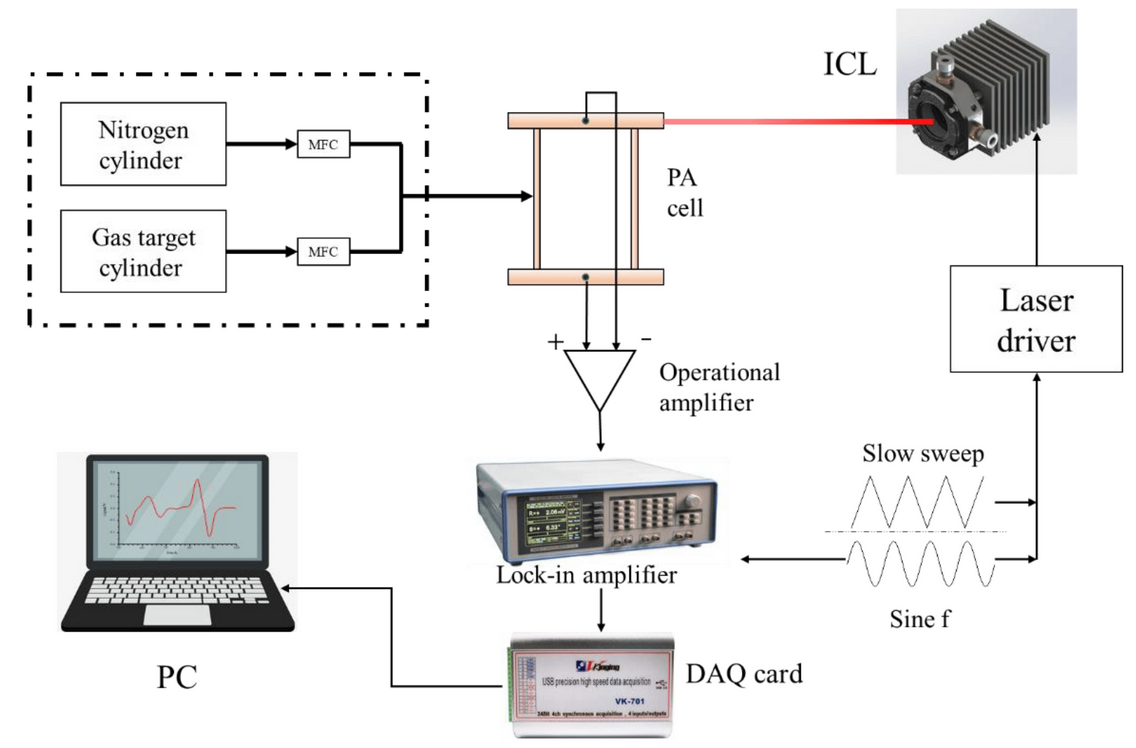
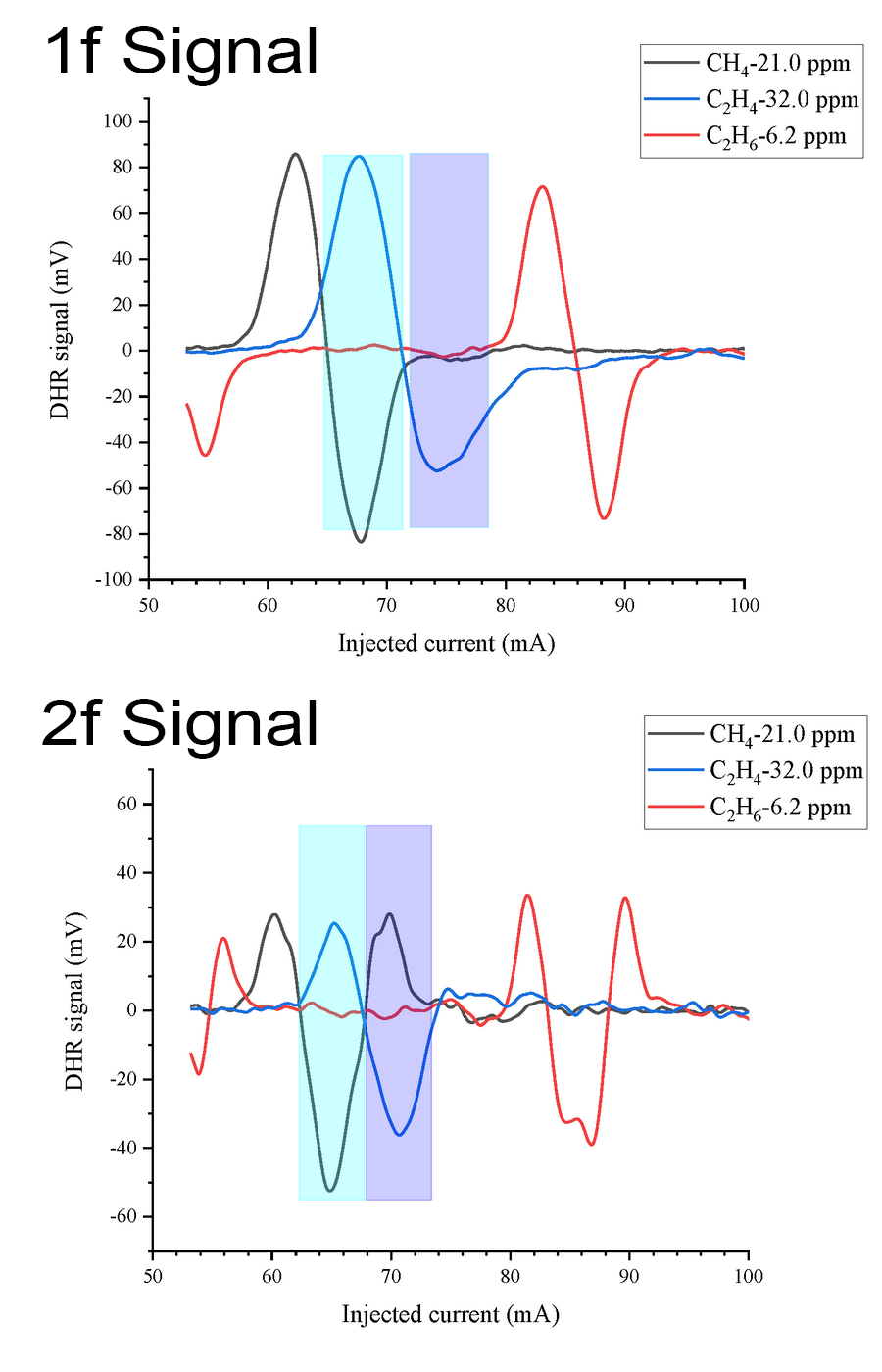
Researchers from China have developed and demonstrated a simultaneous, multi-component gas detection system based on differential Helmholtz resonance spectroscopy with a mid-infrared, tunable, interband cascade laser (ICL). The first harmonic demodulation method was used under ambient pressure to detect three light carbon gases: CH4, C2H4, and C2H6. Using this photoacoustic system, the detection limits reached 98.8 ppb, 252 ppb, and 33 ppb for methane, ethylene, and ethane, respectively. Multi-wavelength linear regression was implemented to reduce the effects of cross-interference of the three gases, maintaining the accuracy of the gas concentration measurements.

This new method, using an ICL with a Helmholtz resonator, provides a simple and fast multiple gas detection technique for atmospheric research, medicine, the food industry, pollutant monitoring, and the power industry. Researchers used Wavelength Electronics’ WTC3243 Temperature Controller to ensure ultra-stable temperature of the tunable ICL. Precise temperature control of the laser wavelength was crucial with the current ramp changing the laser wavelength only a few nanometers for the full absorption spectrum of the three gases. With a consistent and precise laser temperature, researchers can ensure an accurate and repeatable output from the laser. They also used the WTC3293 Evaluation Board to rapidly prototype their control system. These devices enabled quick integration of the laser control system with the Helmholtz resonance spectrometer for multi-component gas detection for environmental, atmospheric, or industrial applications.

The complete case study is available as CS-TC09.

NOW Offering Laser Safety Eyewear

We have always protected your laser. Now we can protect your eyes, too.

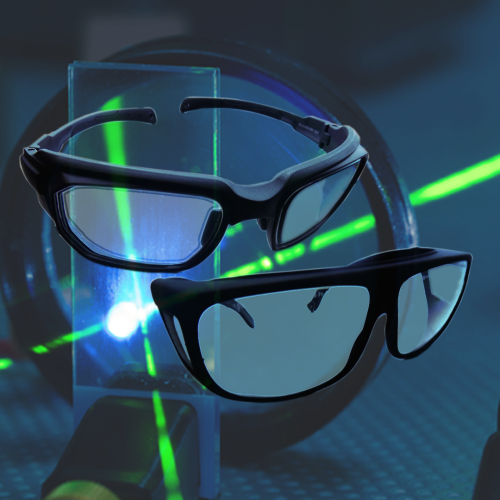
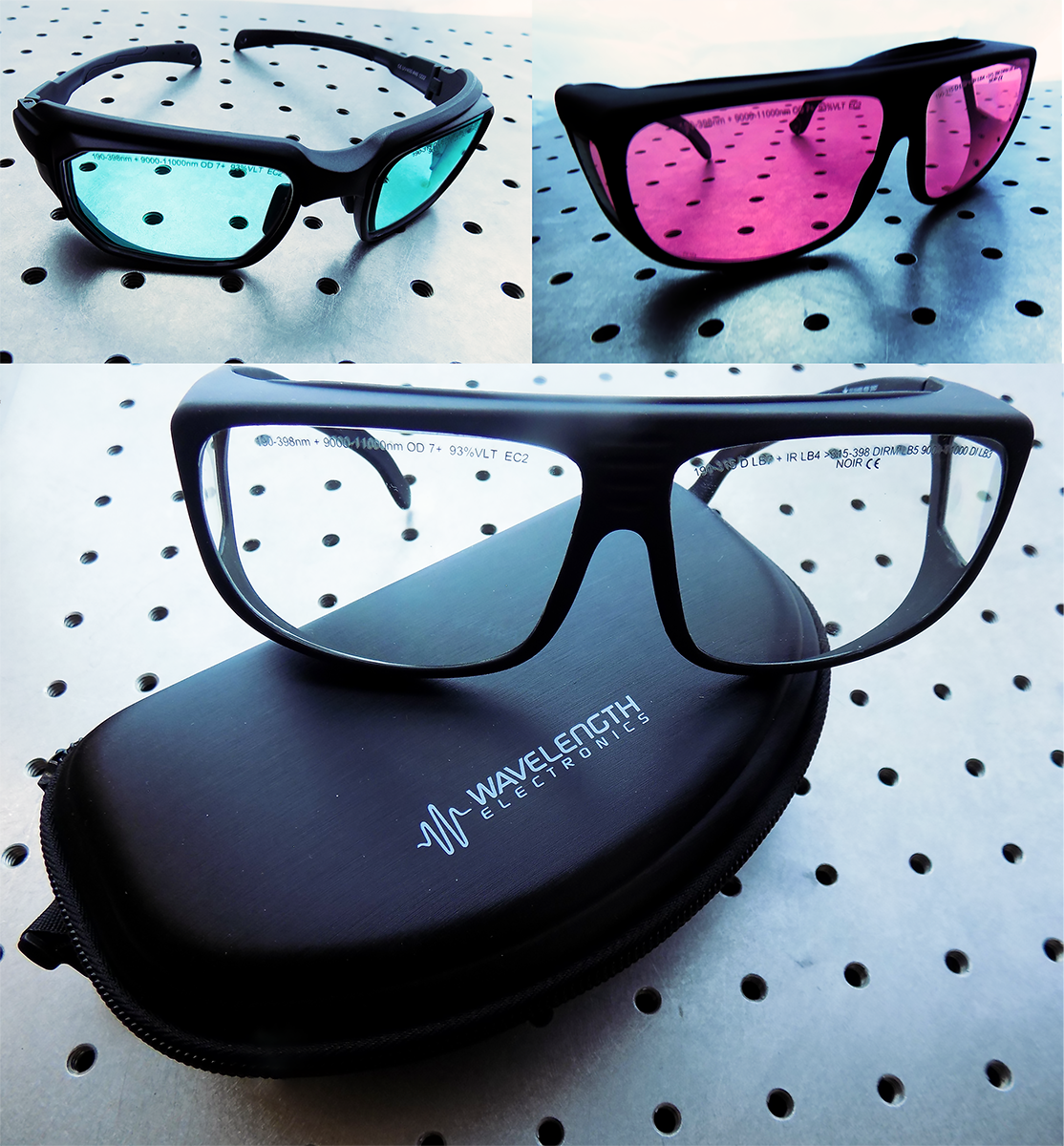
Wavelength Electronics is now offering Laser Safety Eyewear with uniquely engineered filters that help protect people against the dangerous effects of laser light. These glasses were designed by working directly with laser manufacturers to develop proprietary filters that meet all quality and industry standards.

• Lightweight polycarbonate and glass filter material • High optical density with OD and LB ratings for specific wavelength ranges • Wrap-around or Over frame eyewear • Infrared, Visible, and Ultraviolet filters • CE certified to EN207 or EN208 Choose from two frame styles – over-frame for prescription lens wearers and wrap around – in a variety of filter types, ODs from 1 to 10 and a range of Photopic Visible Light Transmittance (VLT) ratings to cover most laser applications. Shop Laser Eyewear

Reference this Filter Comparison to help select the appropriate filter for your wavelength.

Wavelength Fights Cancer — Presentation at Optica

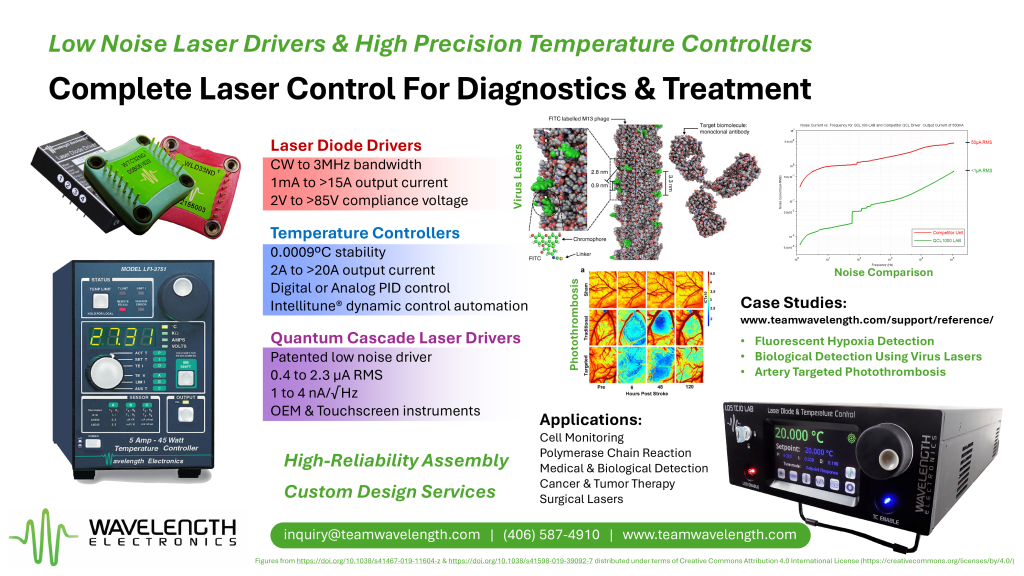
Wavelength has been stabilizing laser diode wavelength, current, and power, and delivering low noise electronics systems for over three decades now.

Our customers are brilliant – researchers, system developers, entrepreneurs. They have visions for how they want to improve the world.  We help them with the electronics subsystems, so they are free to explore and invent.

We build OEM laser diode drivers and temperature control components with benchtop instrument performance. We also offer touch screen instruments for researchers and low noise QCL drivers for narrow linewidths. We couple the off-the-shelf electronics with high reliability manufacturing so field returns are less than 0.1%.

Our equipment is often used in medical systems – surgical devices, medical and biological detectors, cancer therapy.  Two case studies briefly highlight this.

One case study uses fluorometry to identify tumor aggressiveness. Researchers from Spain used a fluorescent hypoxia biosensor for functional imaging of tumor cells to provide critical information about the size and location of tumors, as well as the micro-environment. Stable wavelength was critical, and they used our LFI Temperature Controller instrument to achieve that goal.

In the second case study, researchers in the UK created a bio-laser where a virus is introduced into the lasing cavity and used to detect the concentration of the viral load.  They proved rapid biomolecular detection with the precision of commercial systems. Constant current, stable wavelength, and modulation were critical parts of the system. Wavelength’s WLD Laser Diode Driver was used in achieving these results.

We are committed to customer success. In addition to our off-the-shelf components and instruments, we’re offering custom engineering services to develop circuits that perfectly fit your system needs. If you use a laser diode, QCL, VCSEL, SLED, any semiconductor laser, and need low noise, stable wavelength, power, or current, let’s talk.

The two case study images were obtained from Clark et al., “Artery targeted photothrombosis widens the vascular penumbra, instigates peri-infarct vascularization and models forelimb impairments,” Scientific Reports (2019) 9: 2323, https://doi.org/10.1038/s41598-019-39092-7 and Hales et al., “Virus lasers for biological detection,” Nat Commun 10, 3594 (2019), https://doi.org/10.1038/s41467-019-11604-z. The articles are distributed under terms of Creative Commons Attribution 4.0 International License (https://creativecommons.org/licenses/by/4.0/).

NEW Case Study: Active Ring Resonators Using Mid-Infrared QCLs

Ring resonators are one of the most versatile building blocks of photonic integrated circuits (PICs). They have contributed to scaling down optical laboratory experiments and making commercial technologies more portable. The PIC world is growing in applicability and physically shrinking in size, and it can enable reduction of global electricity consumption, improved classical and quantum optical signal processors, and lightweight and cost-effective devices for spectroscopy.

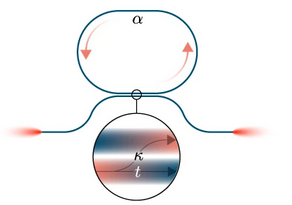
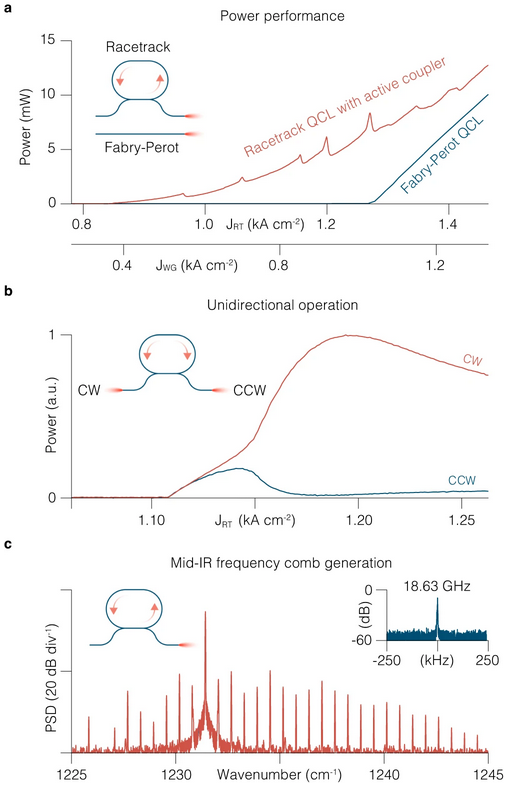
Researchers in Massachusetts, Austria, and Portugal have designed an active mid-infrared ring resonator incorporating a quantum cascade active region in the waveguide core with directional couplers. The resonance frequency, quality factor, and coupling regime and coefficients can all be tuned electrically to better fit multiple applications. By changing these parameters, the active ring resonator can act as a tunable filter, a nonlinear frequency converter, or a frequency comb generator. This design allows active ring resonator integration into the mid-infrared spectral region (3-12 μm) for a variety of applications in photonic integrated circuits with significant power output of 10 mW for spectroscopy, communication, and microwave generation.

It was critical to have precise control of the drive current as the probe wavelength was tuned by ramping the injection current. The racetrack quantum cascade laser (QCL) operation state is highly dependent on the injection current especially when dealing with frequency comb generation.

All laser devices, including a Fabry-Perot QCL, were driven with Wavelength Electronics’ low-noise current drivers QCL1500 LAB or QCL2000 LAB and their temperature was stabilized at 16ºC using Wavelength Electronics’ low thermal drift temperature controller TC5 LAB. The high performance and precision of Wavelength Electronics provided the necessary stability of the laser sources in the active mid-IR ring resonators.

The complete case study is available as CS-LDTC14.

Introducing Bryan Livergood, Applications Engineer

Bryan is a graduate in Electrical Engineering from Montana State University and brings over 20 years of experience in electronics. The majority of his career has been in the medical industry.

He comes to us from Big Sky Medical Center, where he served as a Clinical Engineer. Prior to that role, he was an Engineering Supervisor at Xtant Medical.

Bryan is here to assist with any technical needs you may have.

Contact Bryan.

NEW VIDEO: WTC32ND-14 Temperature Controller Mini-Instrument Quick Start

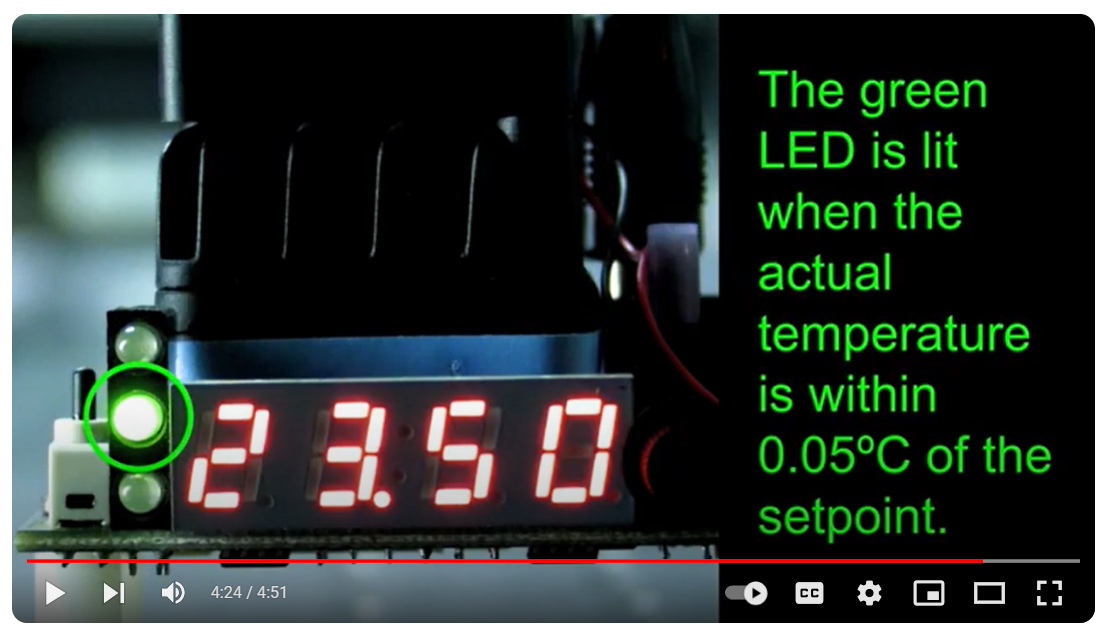
The WTC32ND-14 is a mini-instrument temperature controller with a temperature display and onboard adjustments. Wrapped around the precision WTC32ND temperature controller, it is configured for use with a TCS610 10 kΩ thermistor and various thermoelectrics driving up to ±2.2 Amps.

The controller is particularly suited to applications where temperature is scanned across ambient, such as electro-optical systems, LIDAR, Raman spectroscopy, and medical diagnostic equipment.

Watch the video

NEW Case Study: Quantification of the Removal and Inactivation of Virus Particles

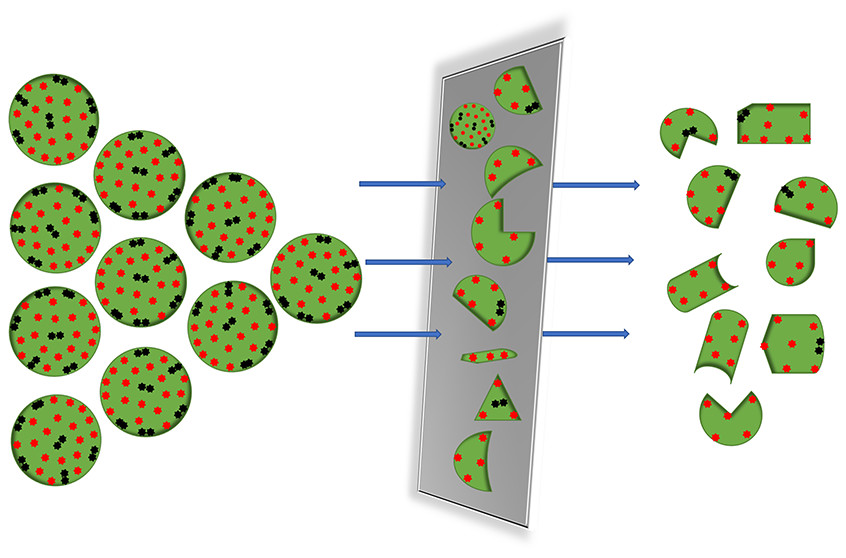
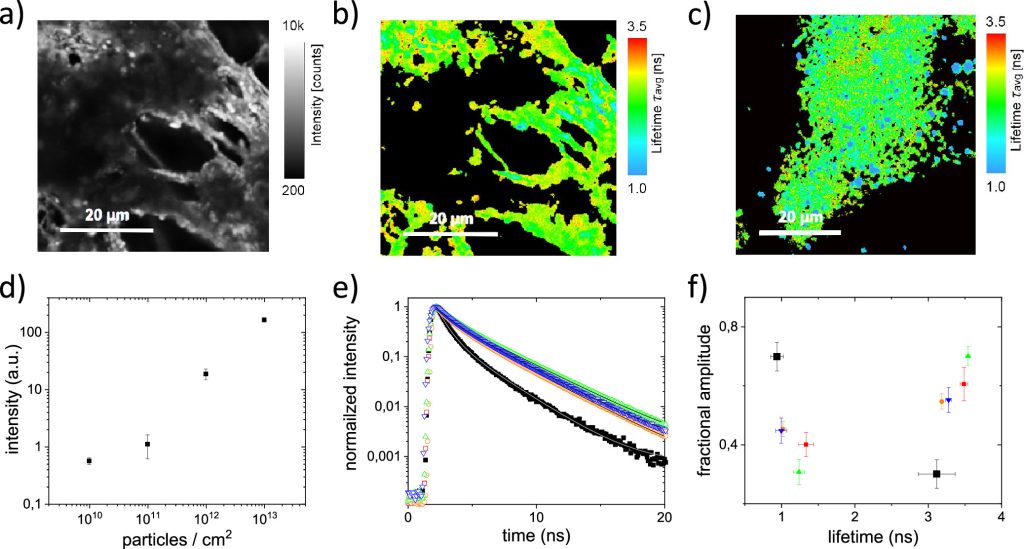
Researchers from the Netherlands have developed and demonstrated a new method of quantifying and characterizing antiviral properties of polymer-functionalized surfaces for virus filtration and inactivation. Specifically, a polyethylenimine (PEI)-coated poly(ether sulfone) (PES) micro-filtration membrane was used to adsorb, inactivate, as well as disassemble virus capsids. Using fluorescence microscopy, spectroscopy, and single particle counting, only a small fraction (1%) of intact viruses can pass through the membrane, and a large fraction of viruses became inactivated and disassembled. Not only does the virus adsorb onto the PEI coating, it also interacts with PEI to disassemble the virus capsid. This new method provides a simpler and faster quantification and characterization technique for virus filtration and inactivation in the medical and biological world.

In this single particle counting design with fluorescence microscopy, researchers benefited from Wavelength Electronics’ laser diode driver, LD5CHA, with worry-free setup and easy integration. The LD5CHA enabled precise current control of the laser diode with minimal electronic noise from the driver. As noise could contribute to any false positive readings, lower electrical noise may lead to better spectra recordings and data analysis. The peak fluorescence wavelength red- or blue-shifted by ~3 nm for intact or disassembled virus particles, and the laser driver ensured narrow linewidth from the laser diode for precise detection of the fluorescence spectra.

The complete case study is available as CS-LD10.

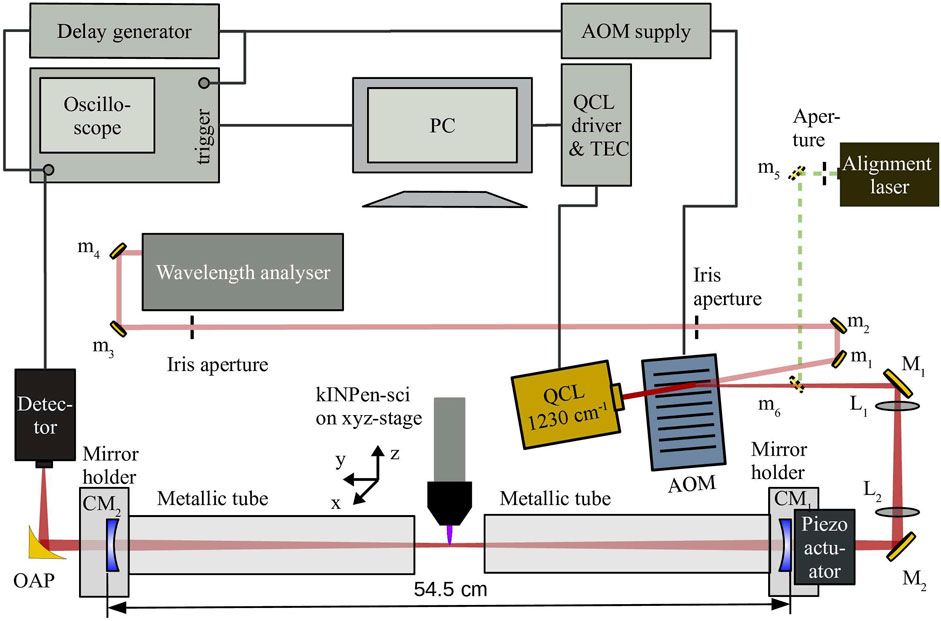
NEW Case Study: Determining Localized Density of H2O2 Using Absorption Spectroscopy in Plasma Jets

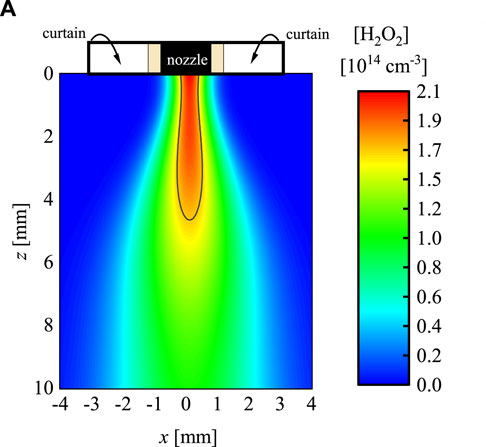
Researchers from Germany have developed and demonstrated a new diagnostic technique for obtaining local distribution of gas phase hydrogen peroxide (H2O2) in plasma jets. Continuous-wave cavity ringdown spectroscopy, with a quantum cascade laser at a wavelength of 8.12 μm, is used to determine the effective absorption length of a cold atmospheric pressure plasma jet and to determine the localized density of H2O2 in the effluent of the plasma jet. With axial and radial scans and radial distributions, the effective absorption length was calculated to be 1.6 mm close to the nozzle and 5 mm at a distance of 10 mm from the nozzle.

The maximum density of H2O2 was found in the center of the effluent close to the nozzle. This work shows the formation and consumption mechanisms of H2O2 and enables other biomedically relevant species in the plasma zone to be studied using this technique.

Measuring the localized density of H2O2 with high-accuracy requires high precision and stable control of the quantum cascade laser when using continuous-wave cavity ringdown spectroscopy (cw-CRDS). Wavelength Electronics’ QCL driver, QCL1000 OEM, enabled precise current control with minimal electronic noise from the QCL. As laser linewidth is a major concern for QCLs, the QCL1000 OEM minimizes noise for open air measurements to as low as 0.7 μA up to 100kHz as well as keeping the average current noise density to as low as 2 nA / √Hz.

The stability of the QCL temperature is also critical for consistent wavelength output from the QCL. Wavelengths’ PTC5K-CH temperature controller, can precisely stabilize temperature to as low as 0.0012ºC. The PTC utilizes a PI controller to minimize overshoot and time to reach setpoint temperature. The stability that the QCL driver and PTC controller provided for the QCL made the 3,600 repeatable measurements more reliable.

The complete case study is available as CS-LDTC13.